

Warm Minimalism Is the New Scandi — And It Runs Deeper
Zagrosa · Interior Living
Warm minimalism is not an absence of things — it is the presence of only the right ones.
White walls are no longer enough. The cool, spare aesthetic that defined a decade of Australian interiors is giving way to something richer — rooms that feel lived in, considered, and warm. Warm minimalism isn't a rejection of restraint. It's a deepening of it.
Where Scandi interiors reached for emptiness, warm minimalism reaches for feeling. Fewer objects, but heavier ones. Less surface, more substance. The shift is quiet, but it changes everything a room communicates.
When a Room Stops Performing and Starts Living
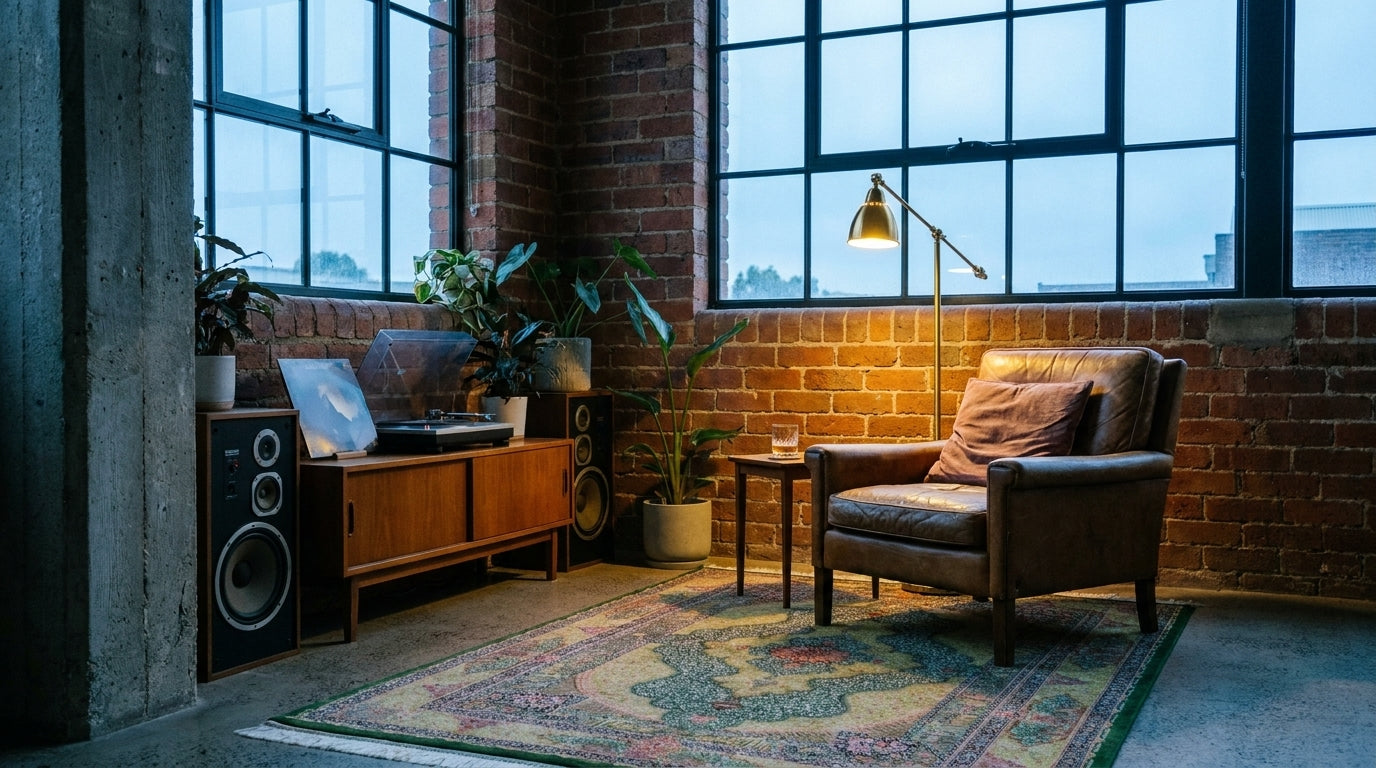
The homes driving this movement share a particular quality: they feel inhabited without feeling cluttered. Imperfect timber sits beside worn leather. Linen drapes without pressing. Aged brass catches the afternoon light without demanding attention. Every material carries a sense of time.
This is not carelessness — it's the opposite. Warm minimalism is the most deliberate form of decorating there is. Each layer earns its place, or it doesn't enter the room at all.
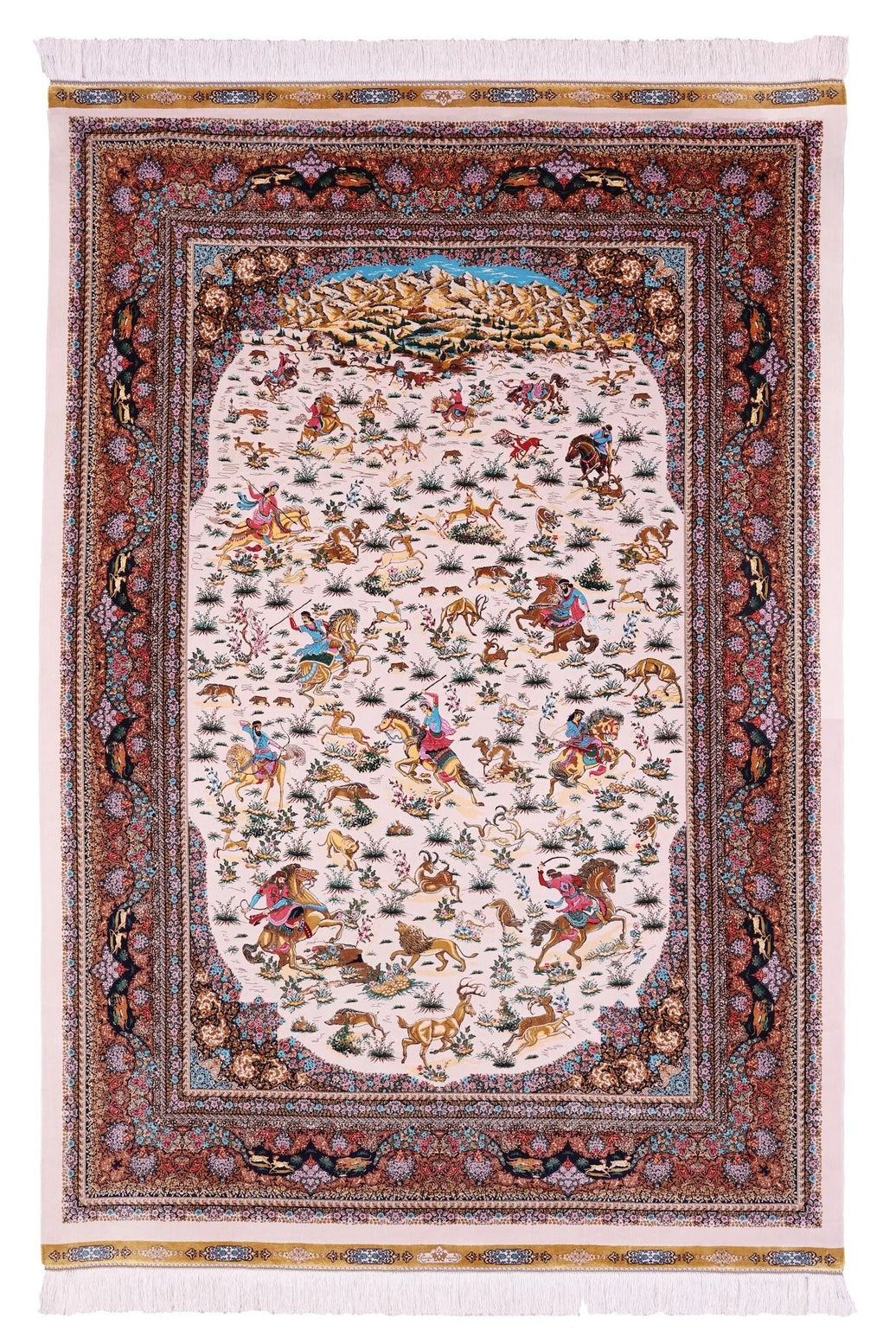
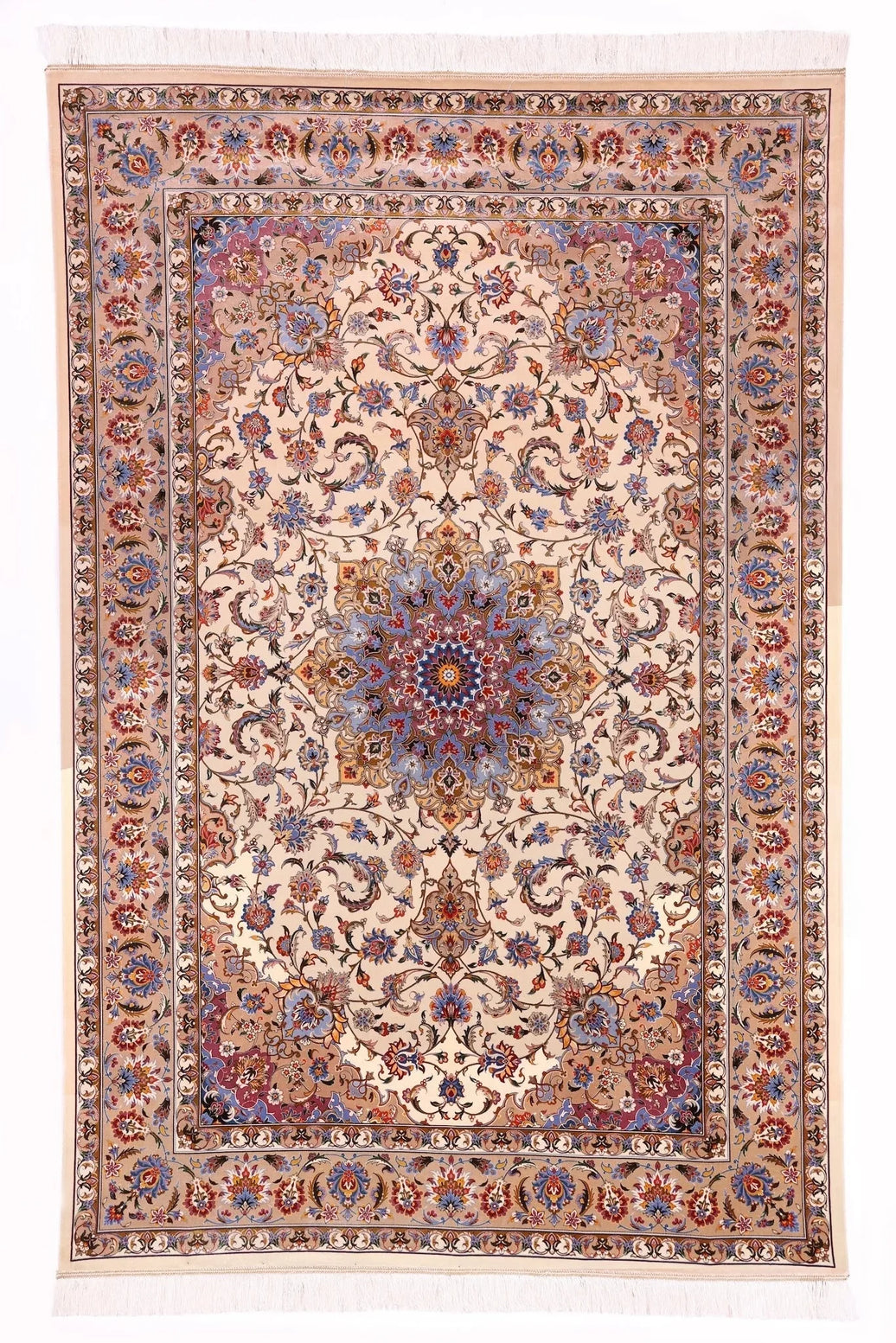
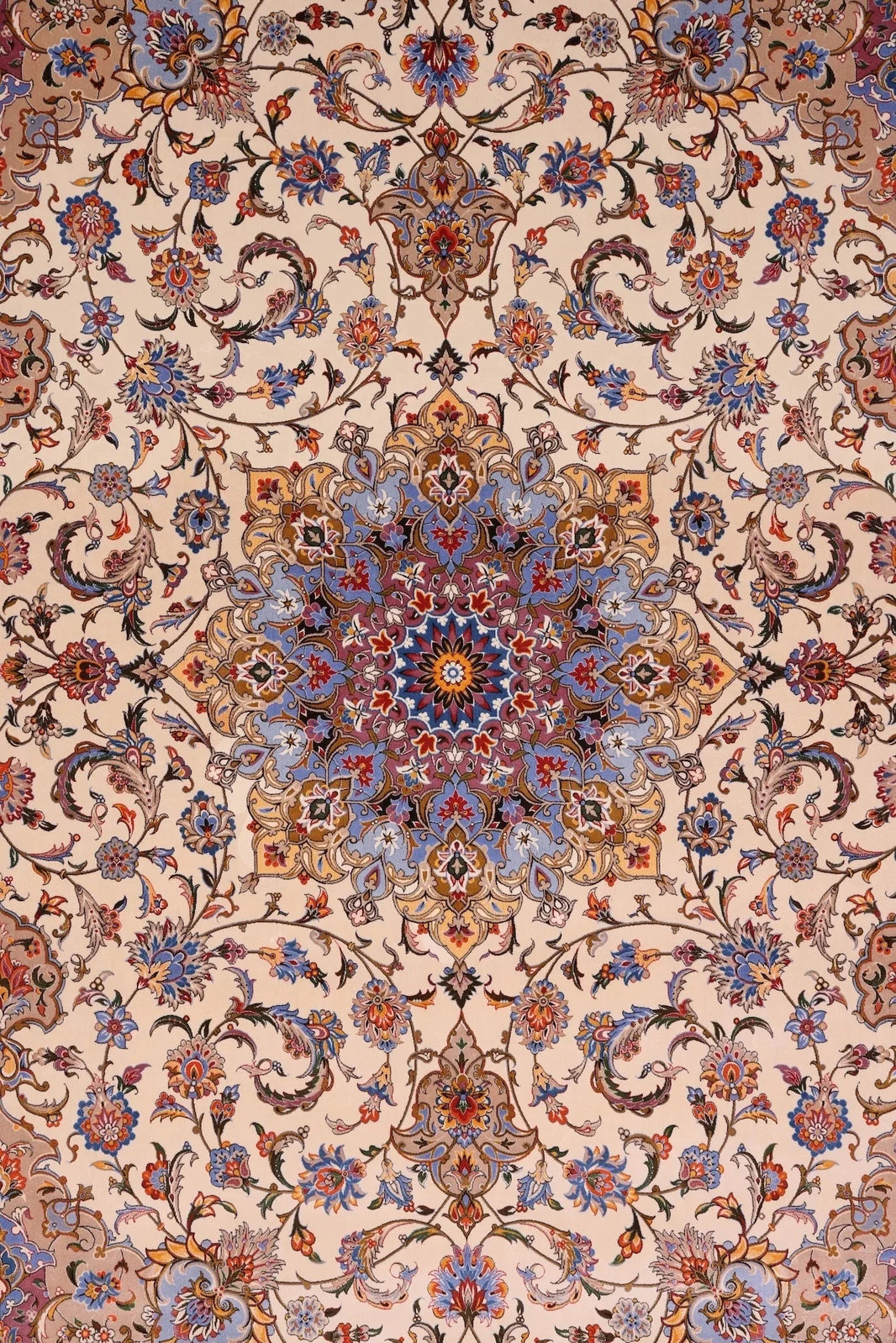
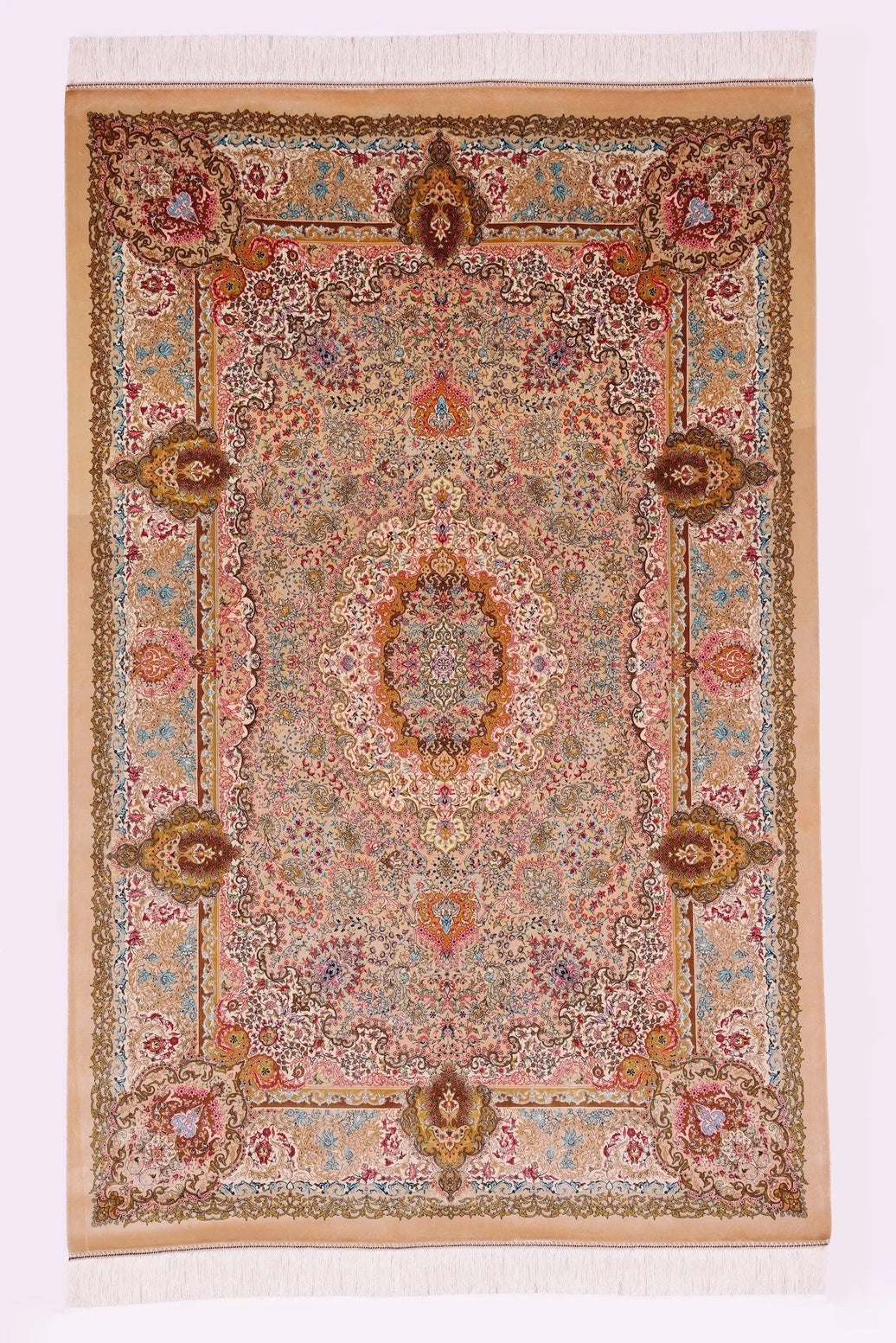
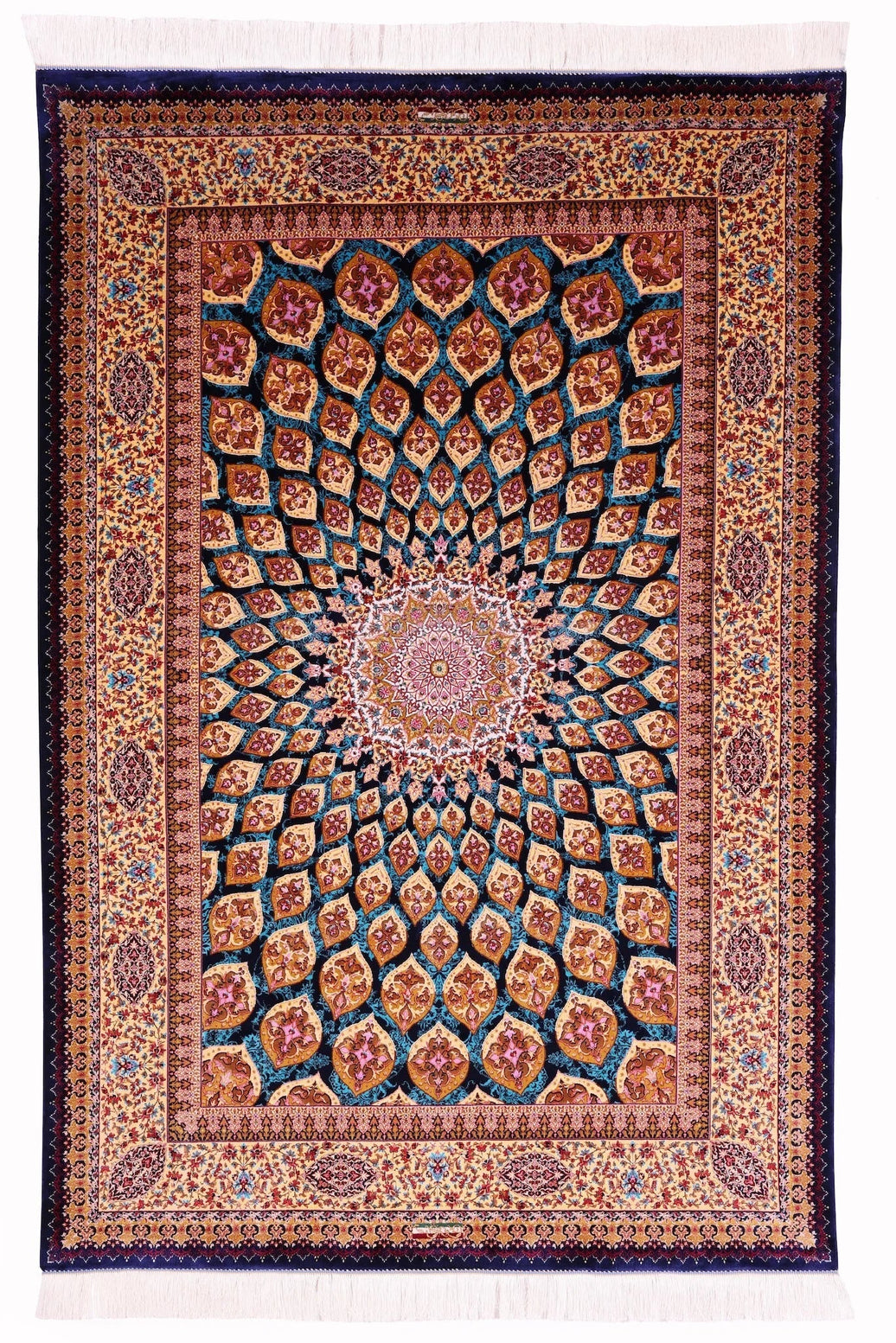
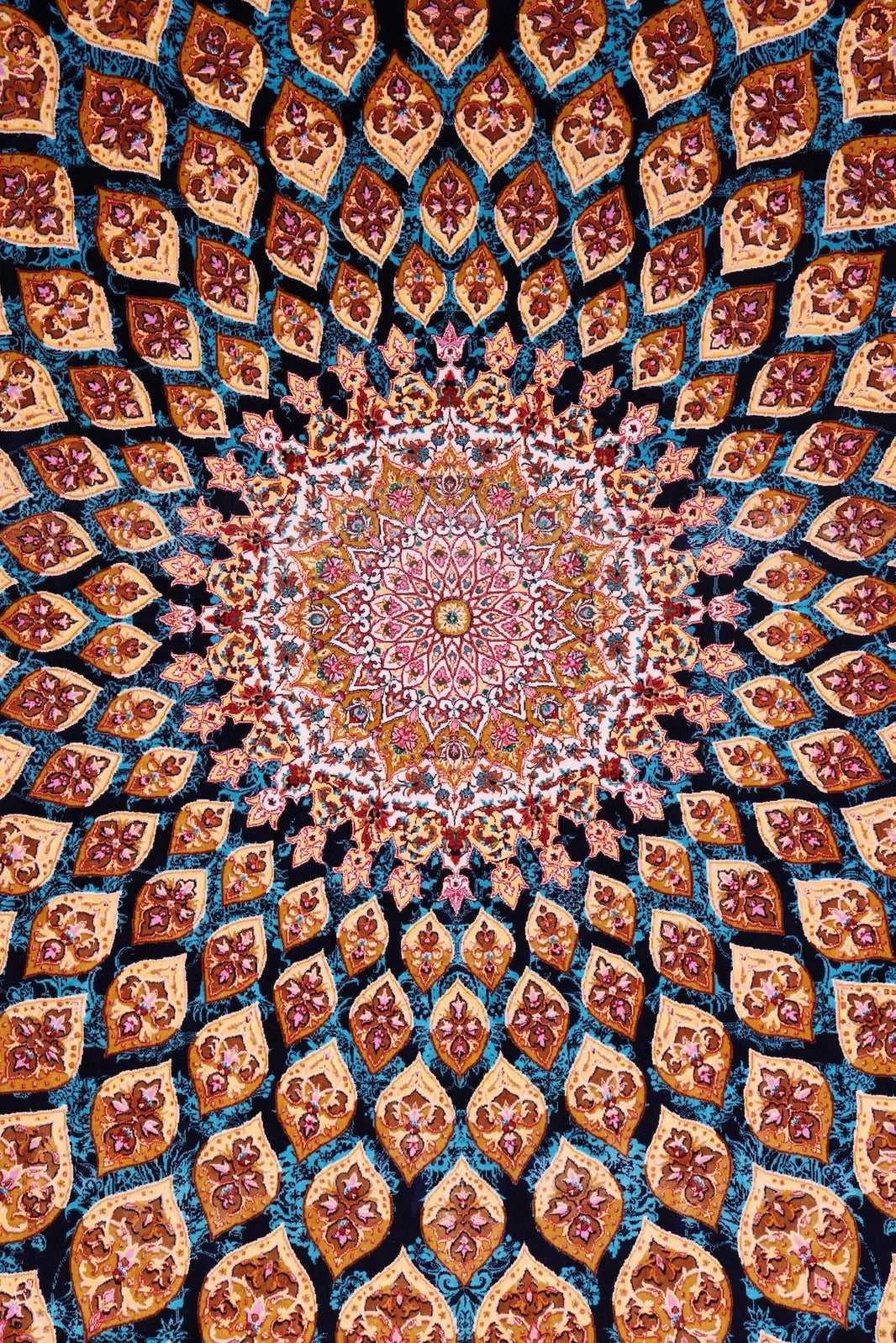
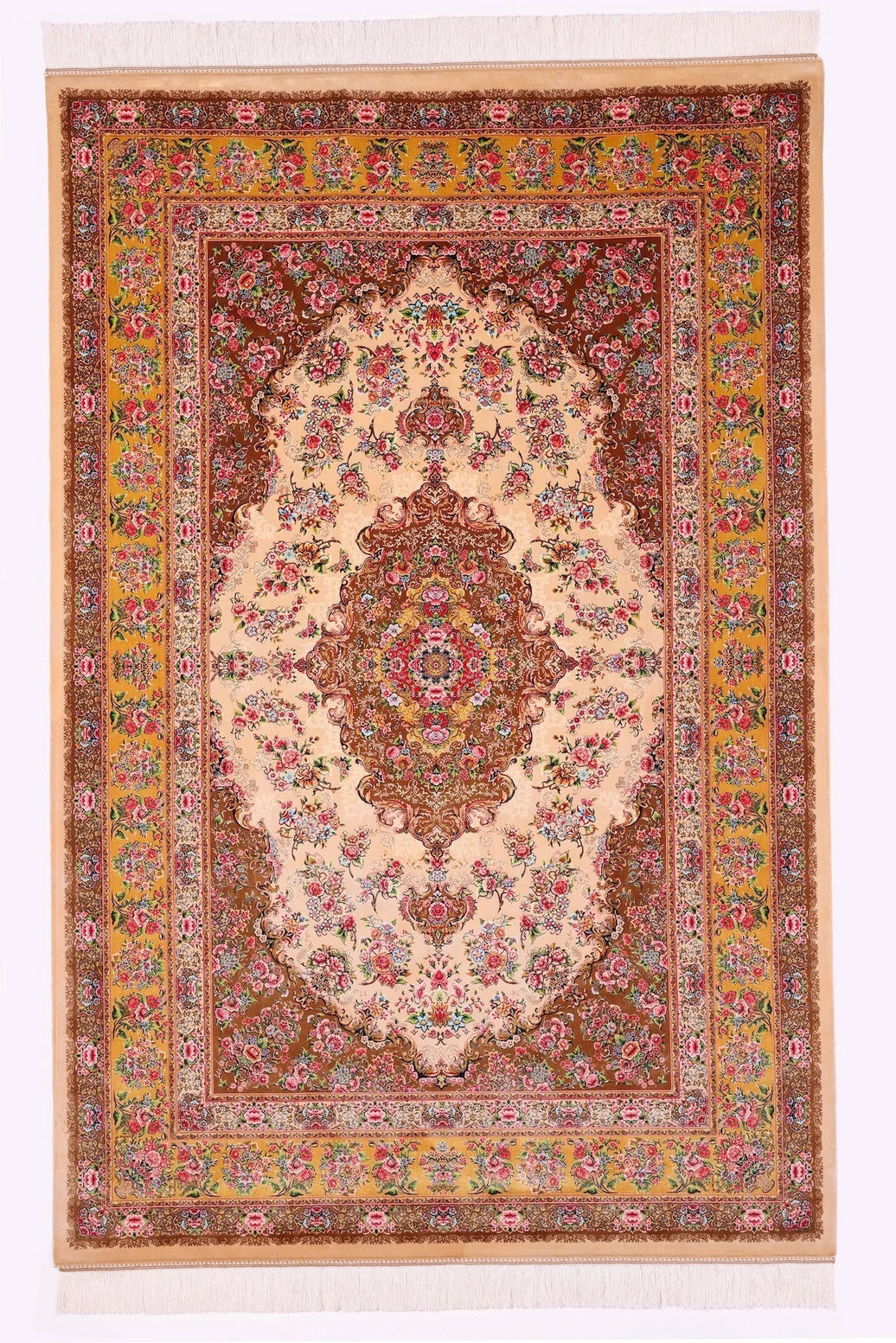
The rug is often where the room's entire logic is established. Not as background, not as filler — as the considered foundation everything else responds to. Persian heritage rugs carry this role naturally. Centuries of craft are embedded in every pattern: the geometry of the Herati field, the medallion forms drawn from garden architecture, the border systems refined across generations of Persian artisans. That depth of intention reads in a room even when it isn't analysed.
The Return of Colour — But Not as You Remember It
Greige had its decade. Australian homes are moving past it.
The colours entering these spaces are warm, specific, and deeply considered. Crimson. Cinnamon. Deep sage that shifts between green and grey depending on the hour. These are not accent colours applied lightly — they are the room's foundation, stated with conviction.
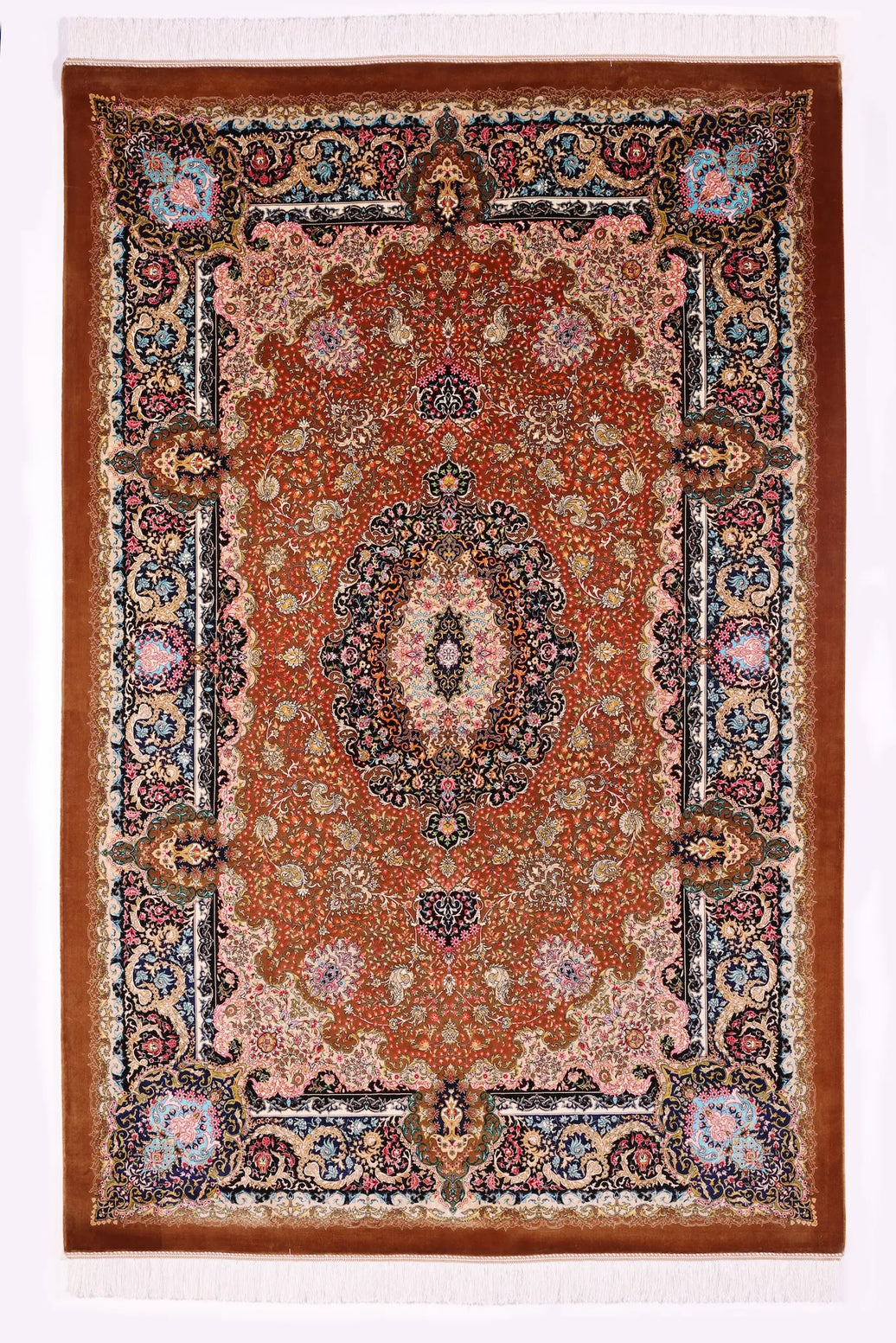
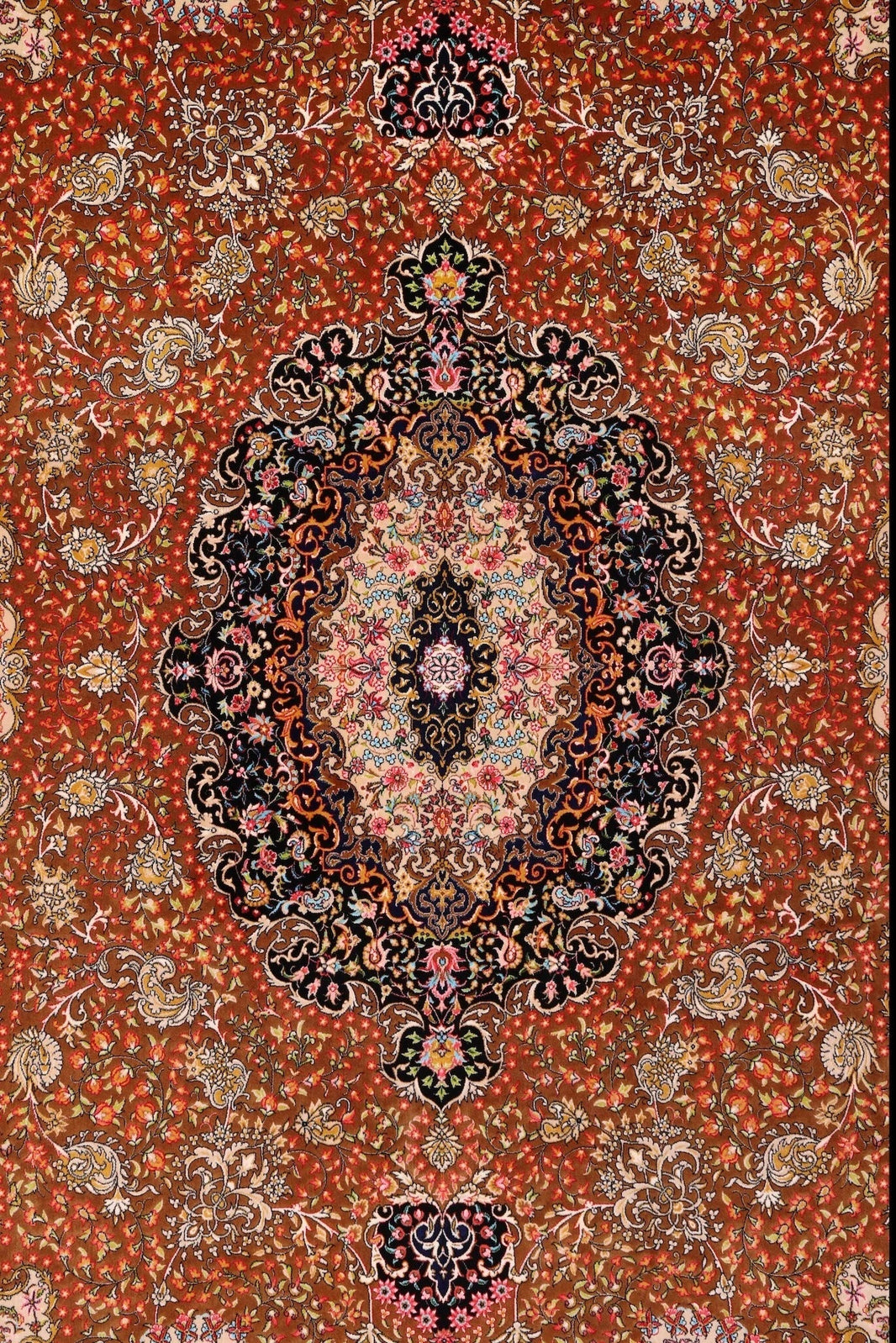
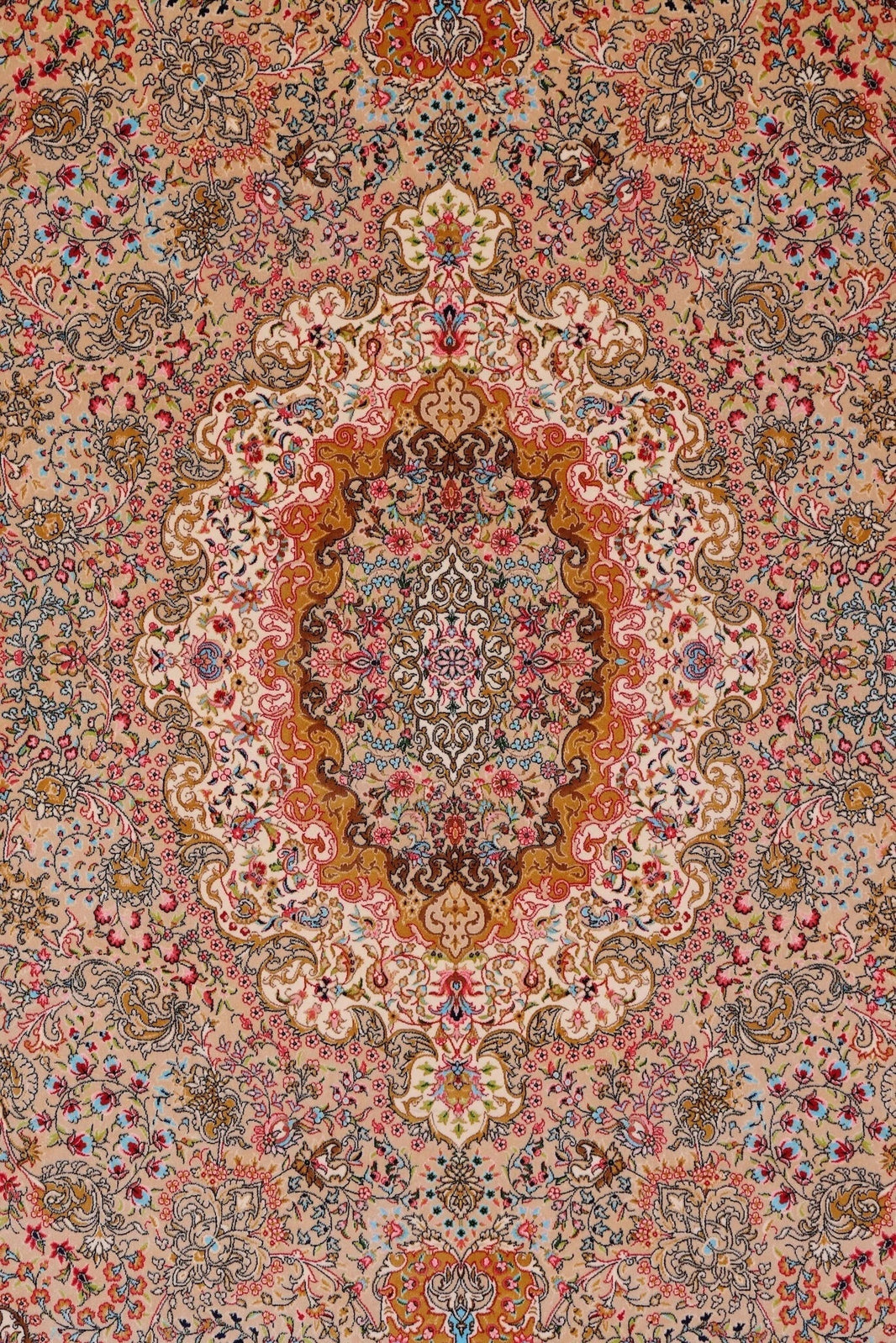
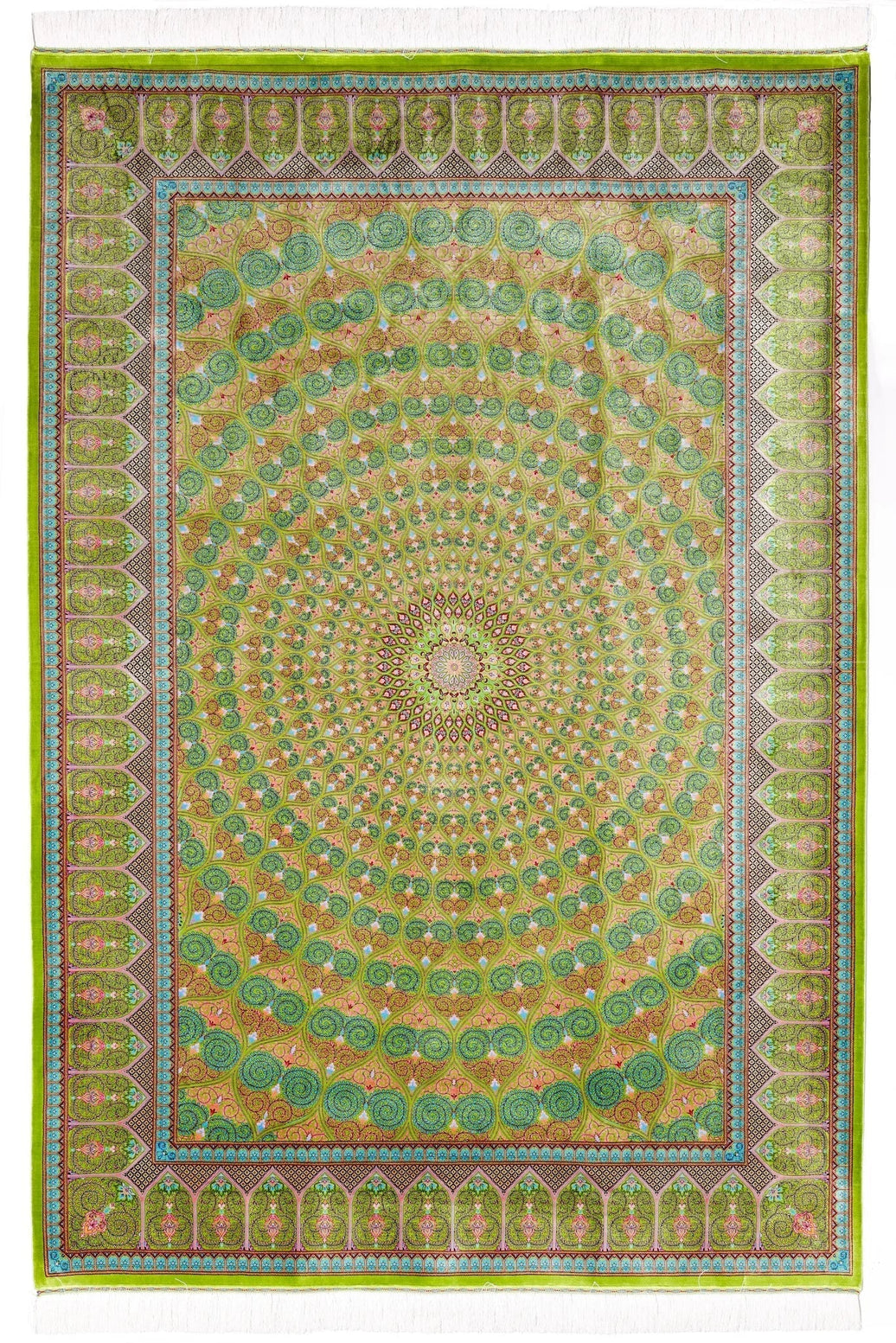
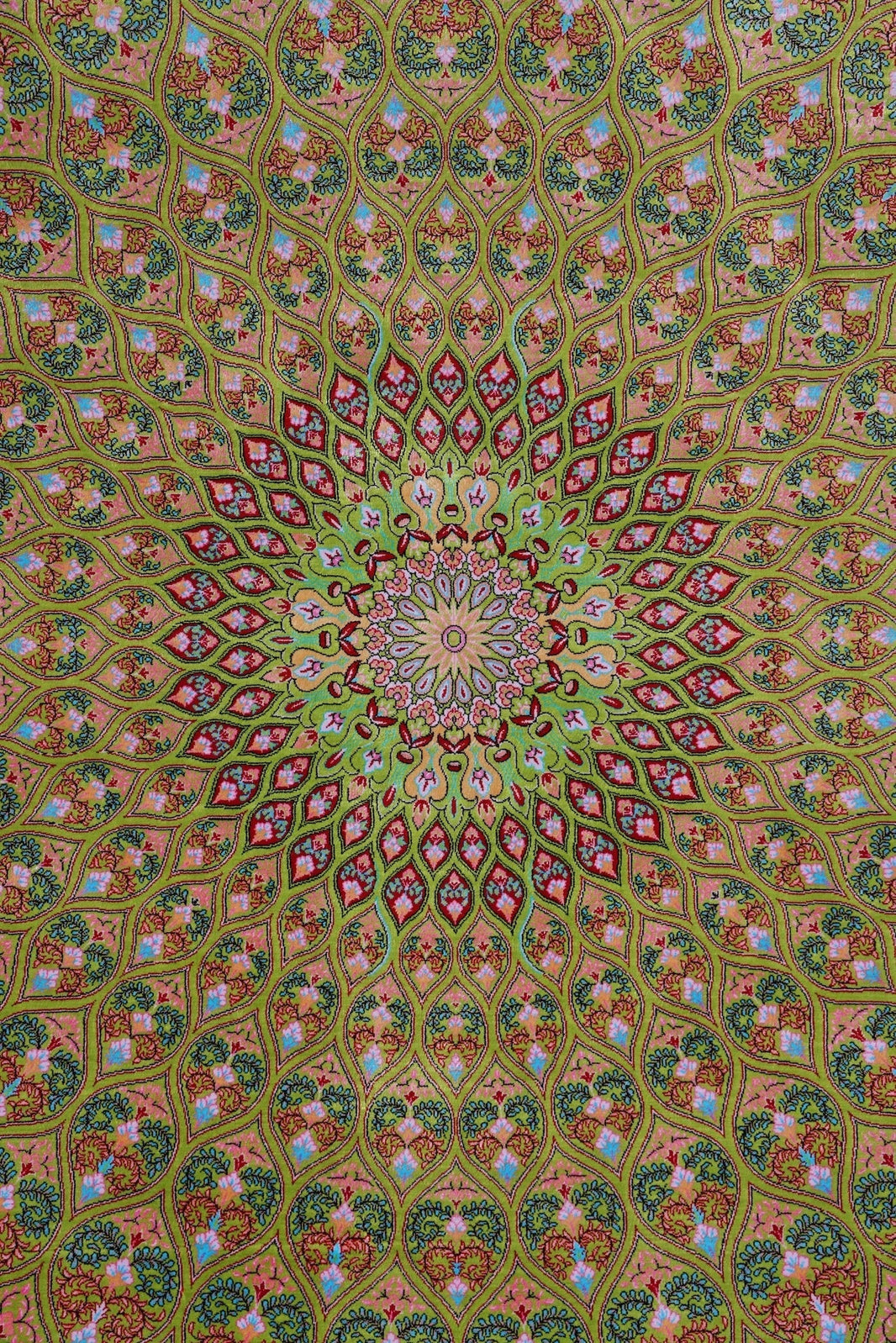
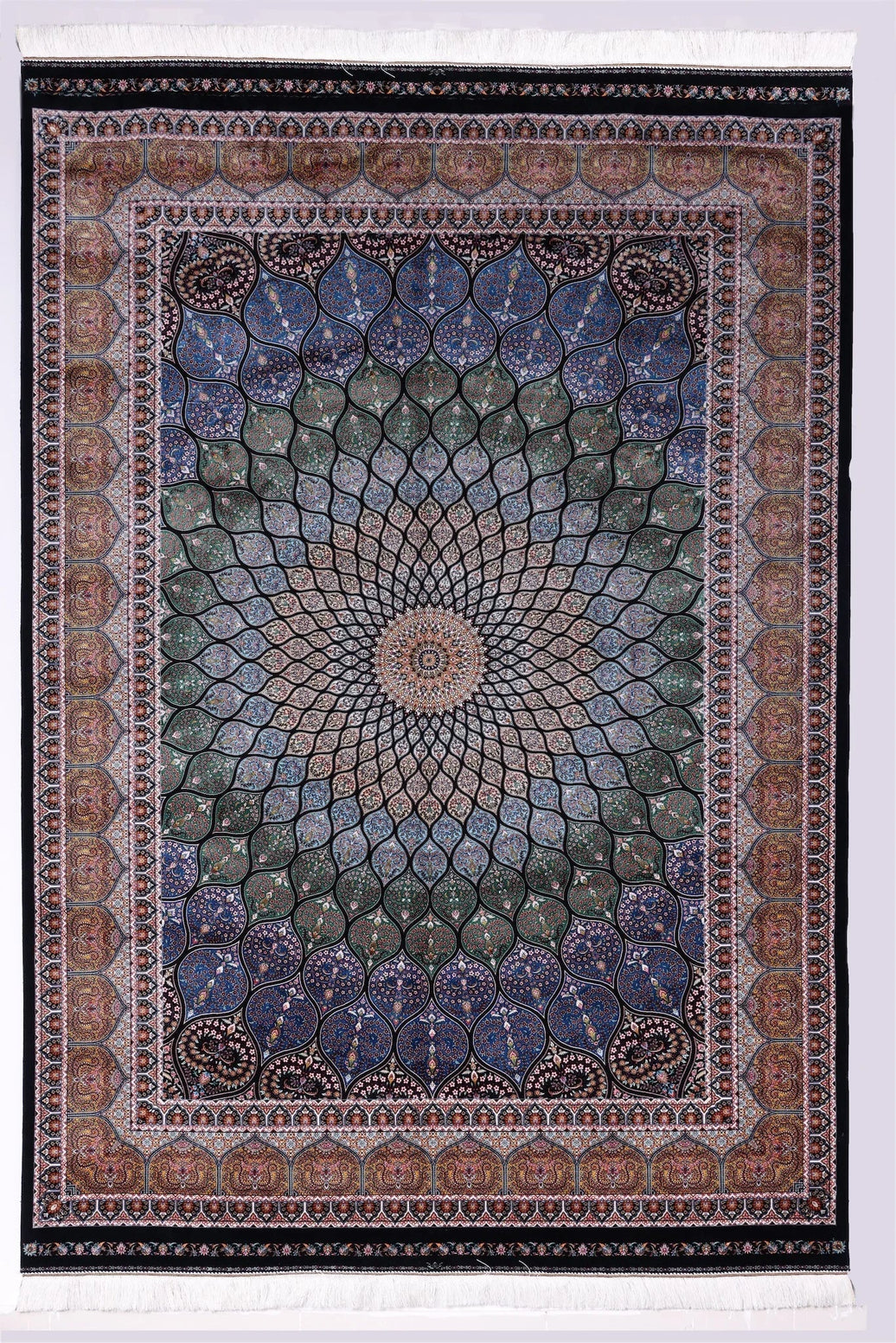
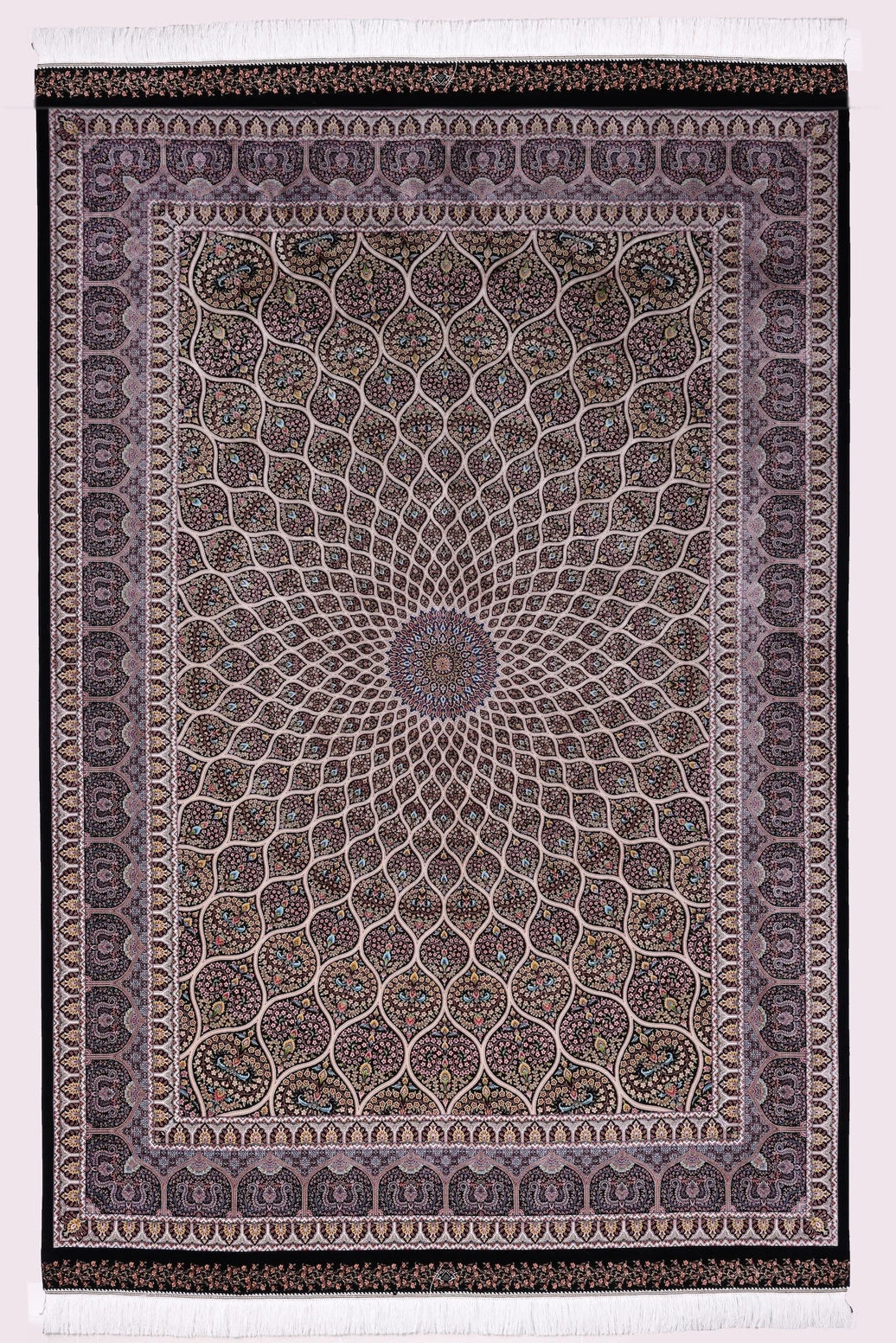
The Aylar Cinnamon sits precisely in this shift. Its ground is the colour of earth after warmth — neither orange nor brown, but something richer than both. The silk-like pile catches light differently across the day, giving the rug a depth that flat colour never achieves. Paired with raw timber and aged leather, it grounds the room without softening it.
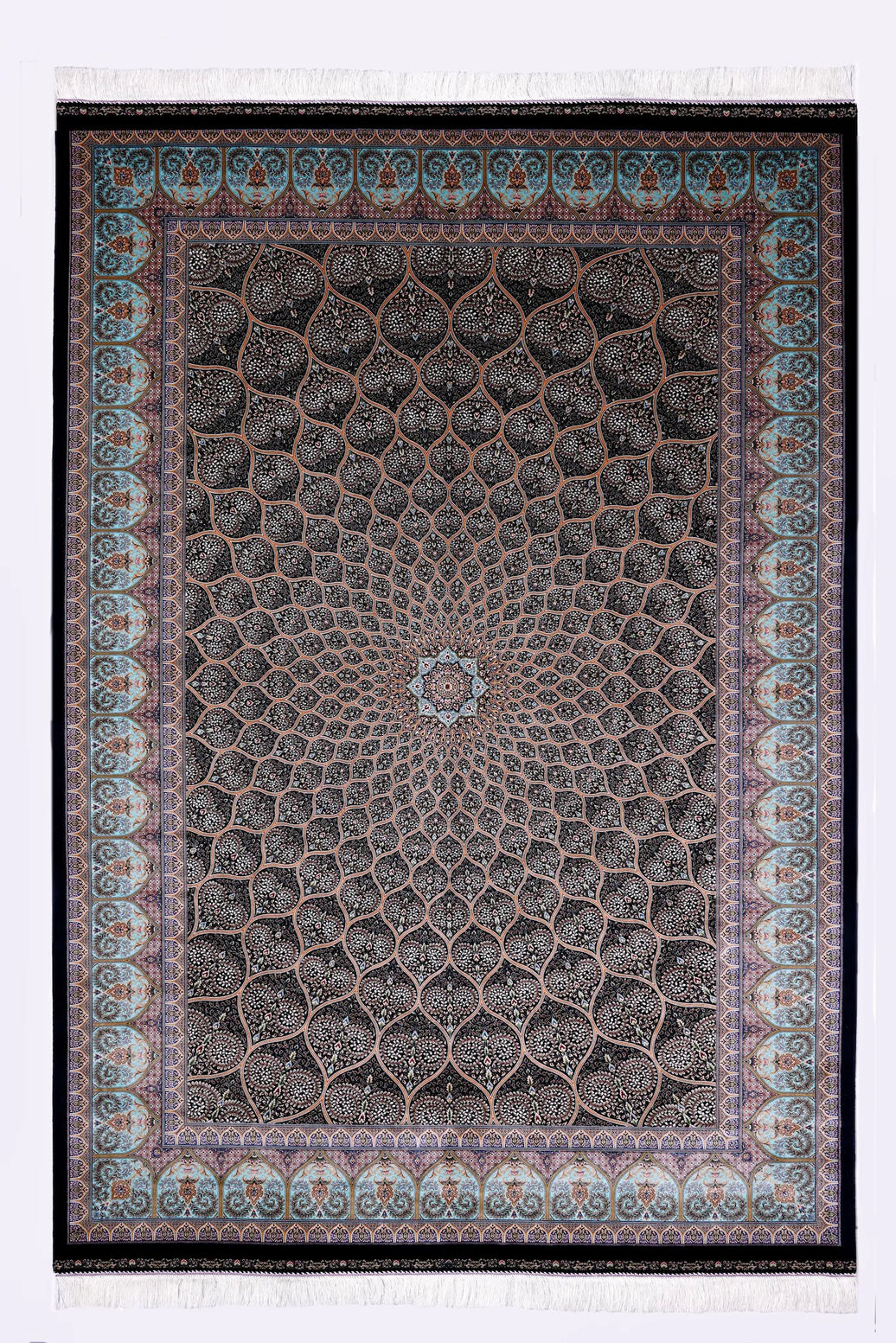
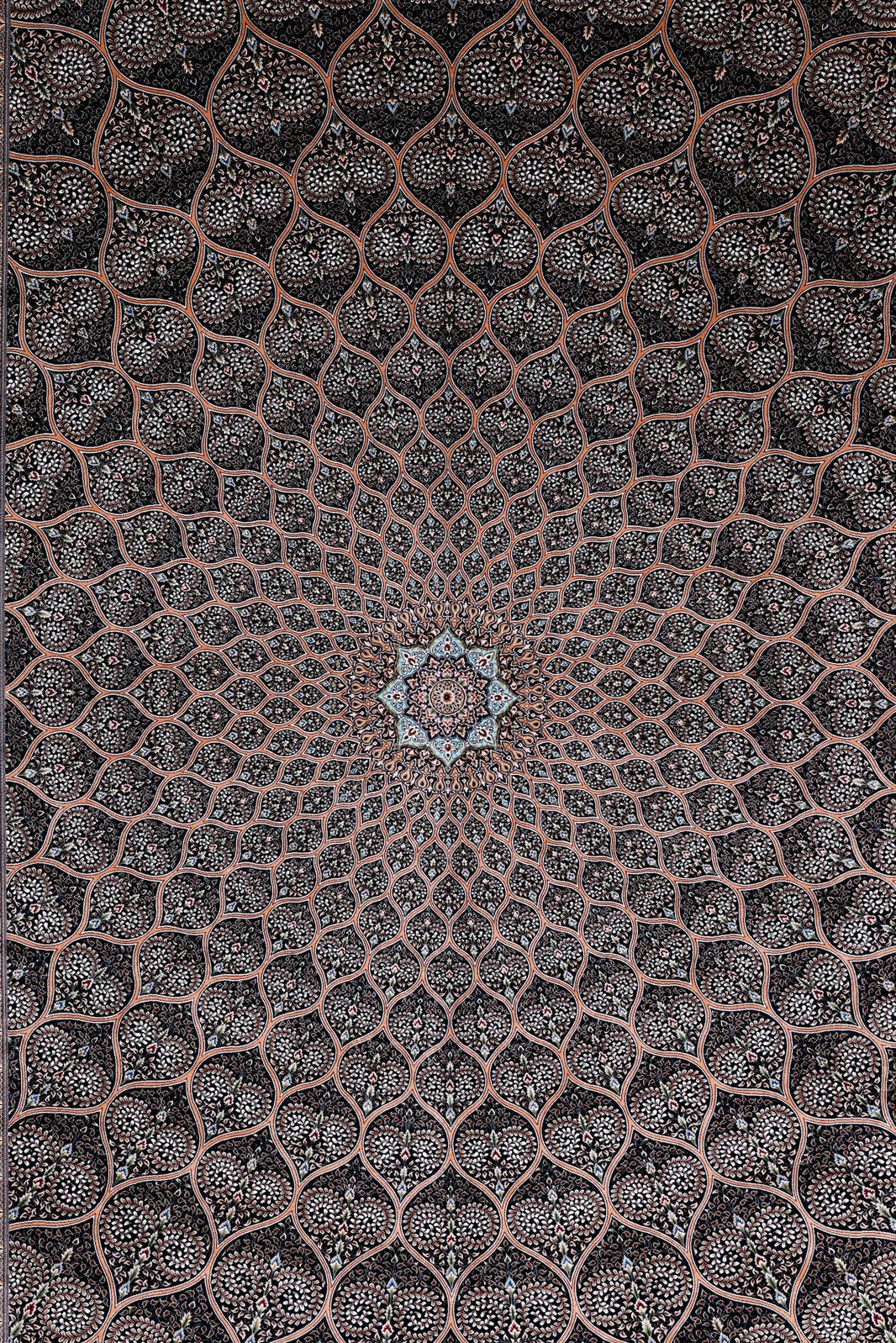
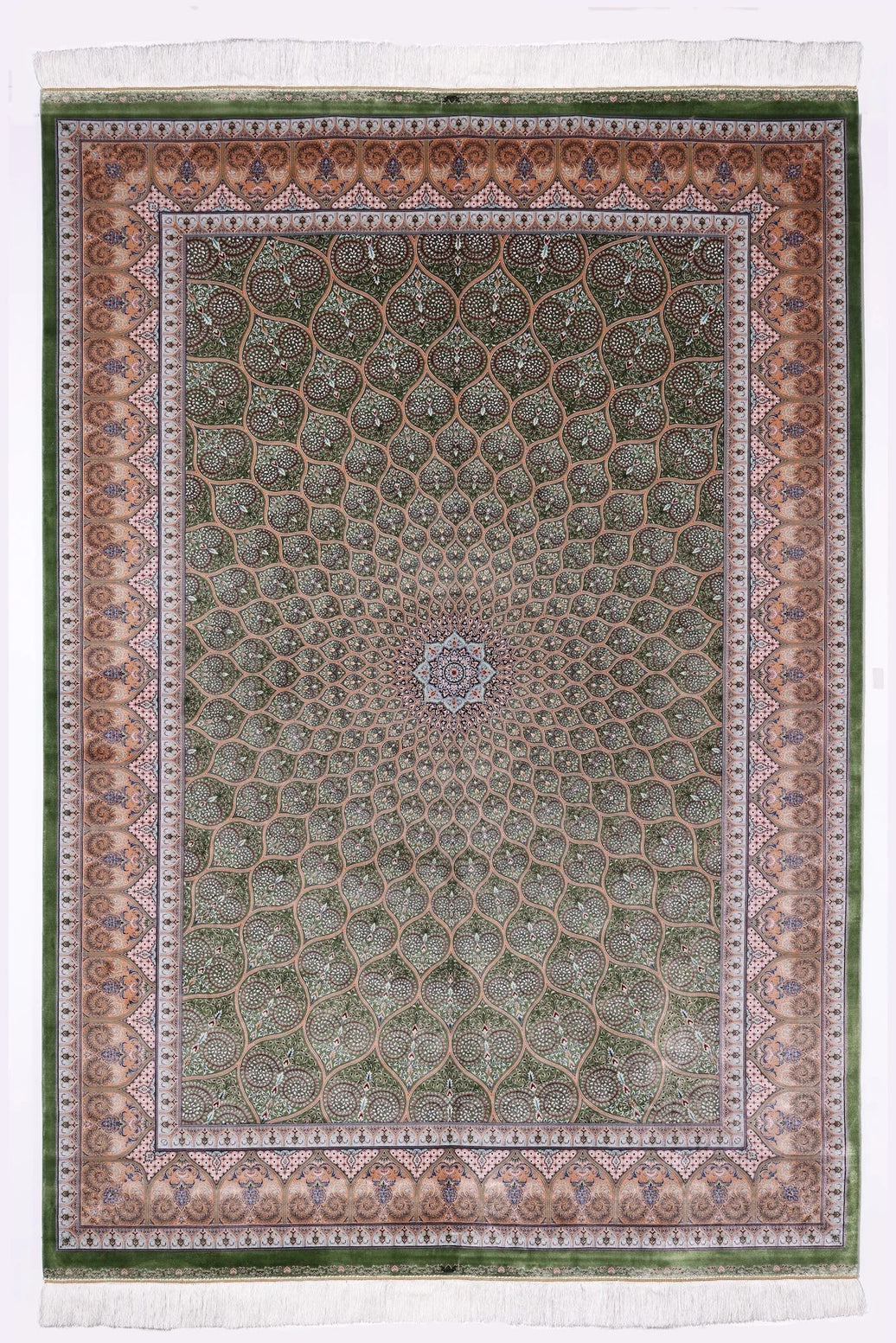
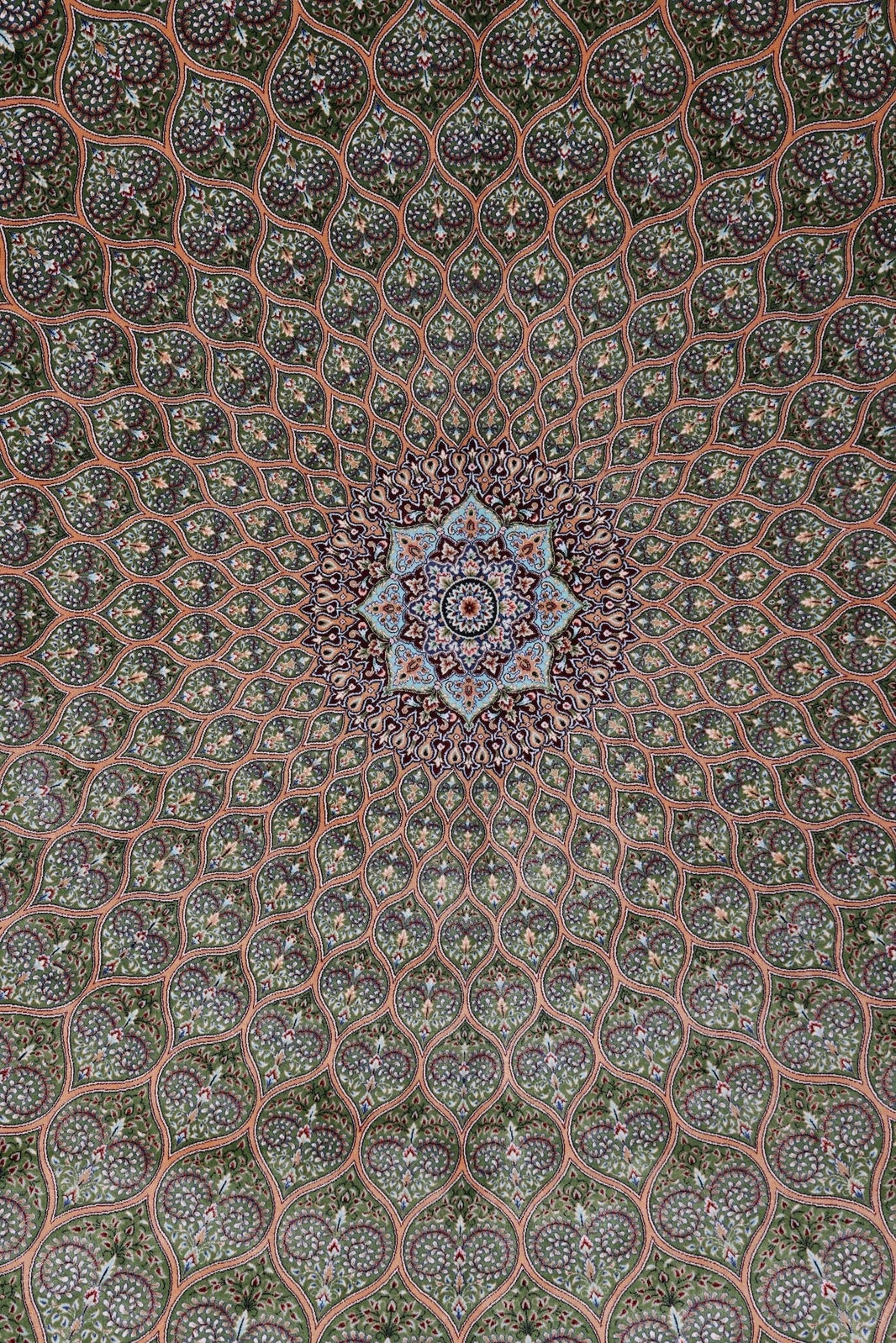
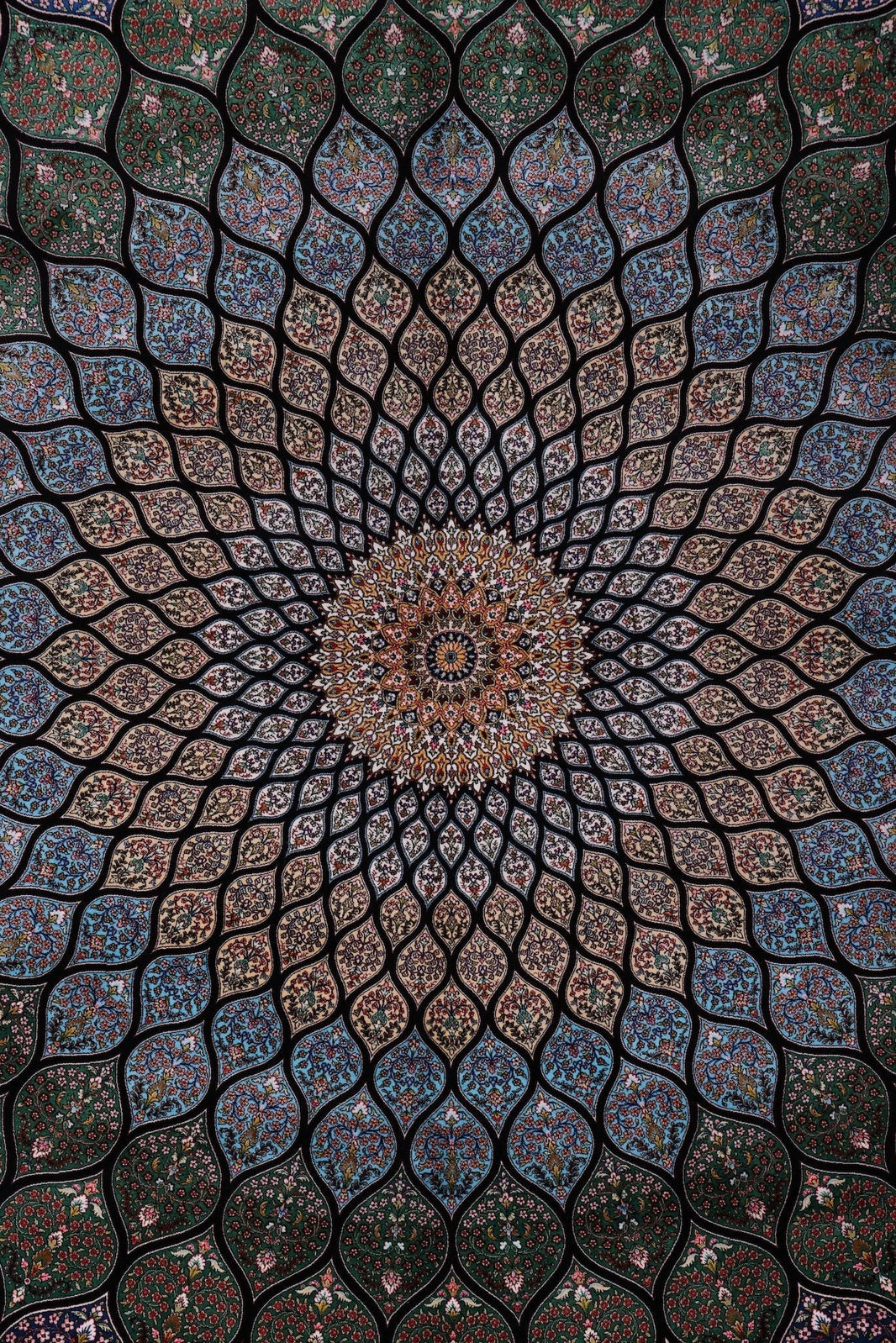
For those building rooms around sage and eucalyptus tones, the Laleh Green offers something rare: a Persian-heritage pattern in a colour that feels entirely contemporary. The deep sage ground anchors a warm minimalist room without competing with it. It is the kind of rug that looks as though it was always there.
Restraint Is the Point — Which Is Why Every Object Must Count
Warm minimalism punishes compromise. When a room holds fewer objects, the ones that remain carry more weight — aesthetically, emotionally, and spatially. There is nowhere to hide a piece that was chosen without conviction.
This is why the rug matters more in this aesthetic than in almost any other. It is the largest textile in the room. It defines the room's temperature — warm or cold, grounded or floating — before anything else is placed. And it is one of the few objects that delivers visual warmth, cultural depth, and tactile weight all at once.
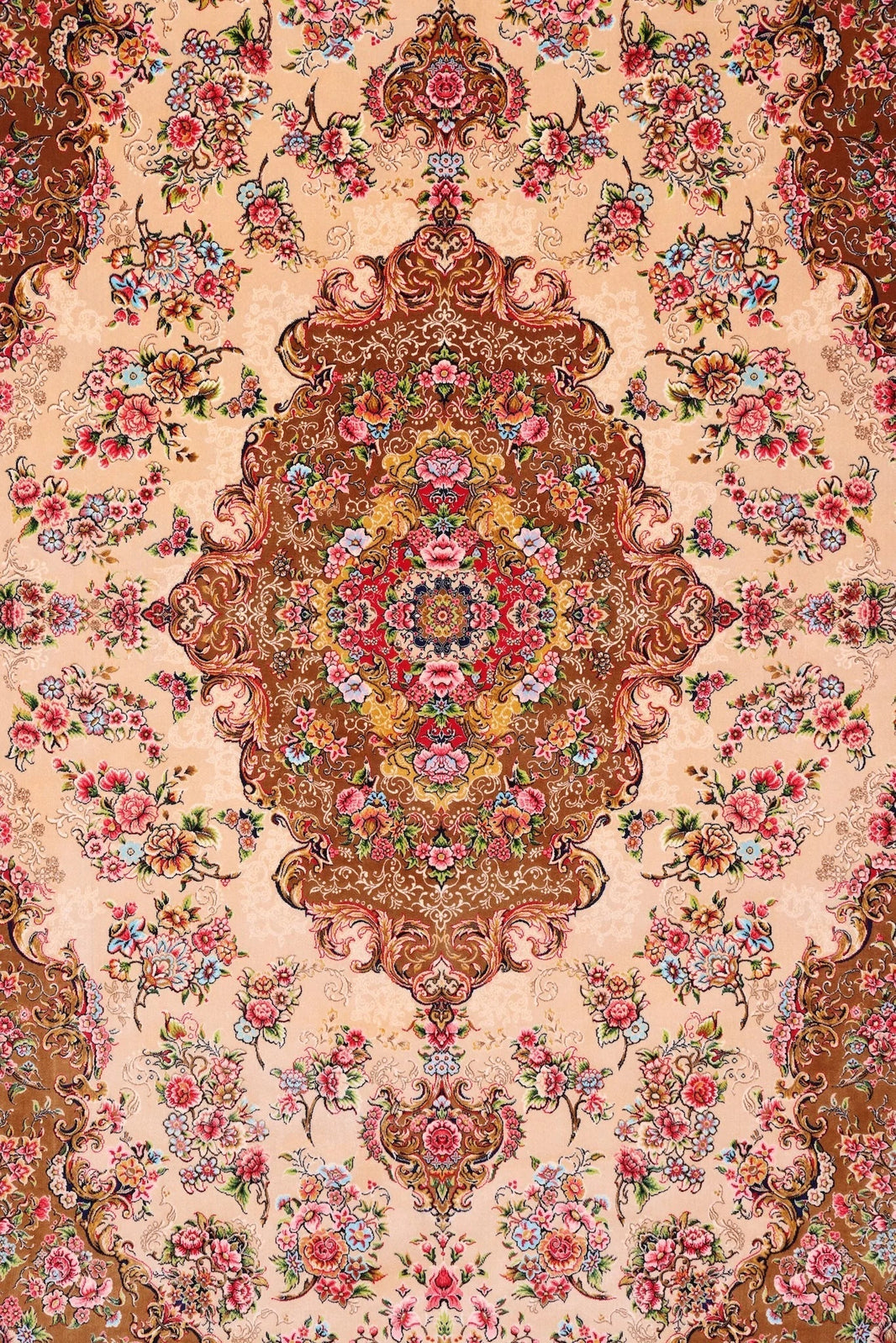
Persian artistry has always understood layered meaning. The patterns used across traditional Persian rugs were never purely decorative. Boteh motifs carried spiritual resonance. Garden layouts reflected paradise. The medallion form was a study in symmetry and cosmos. These references don't require explanation to function — they register as intention, as seriousness, as something worth placing in a considered room.
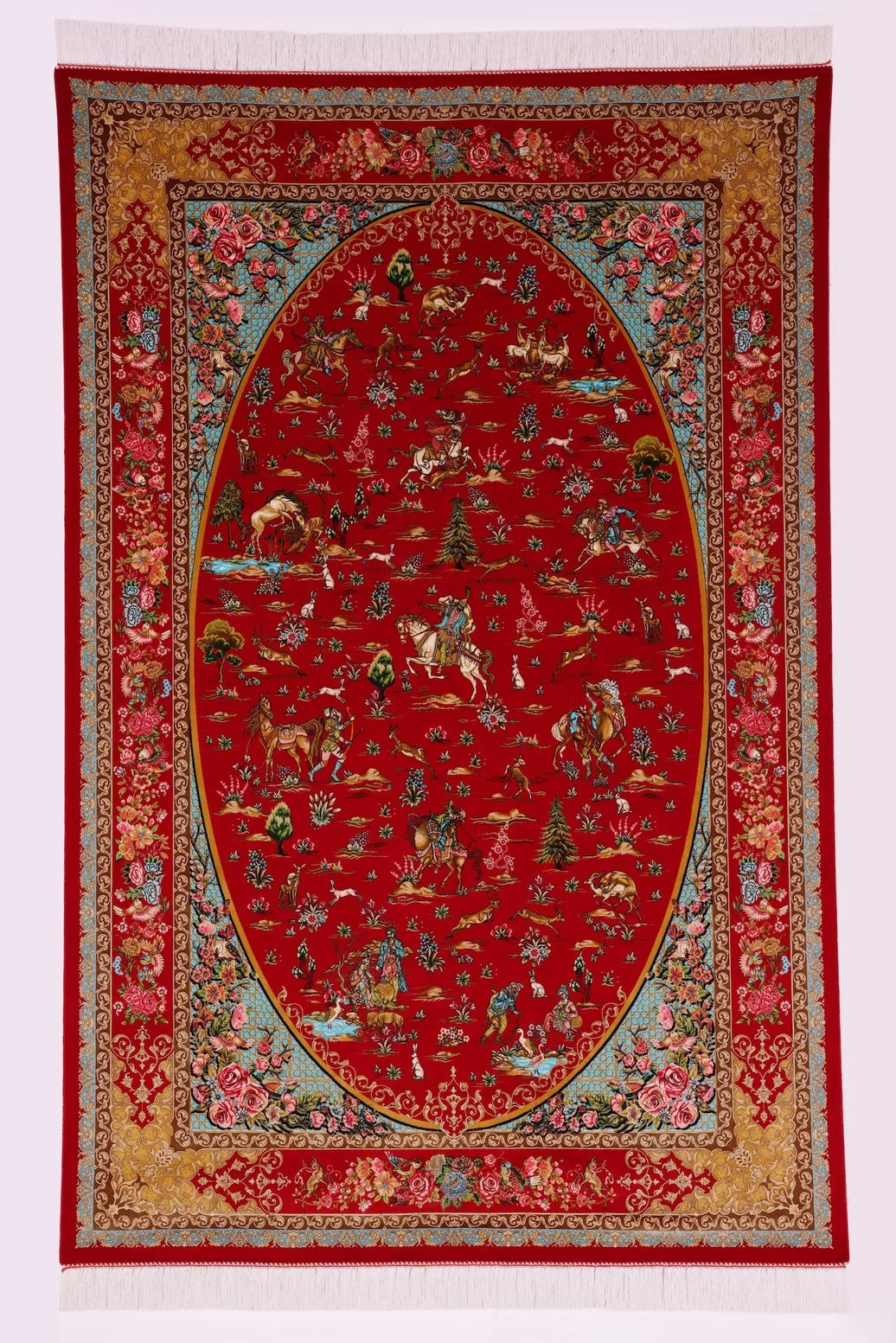
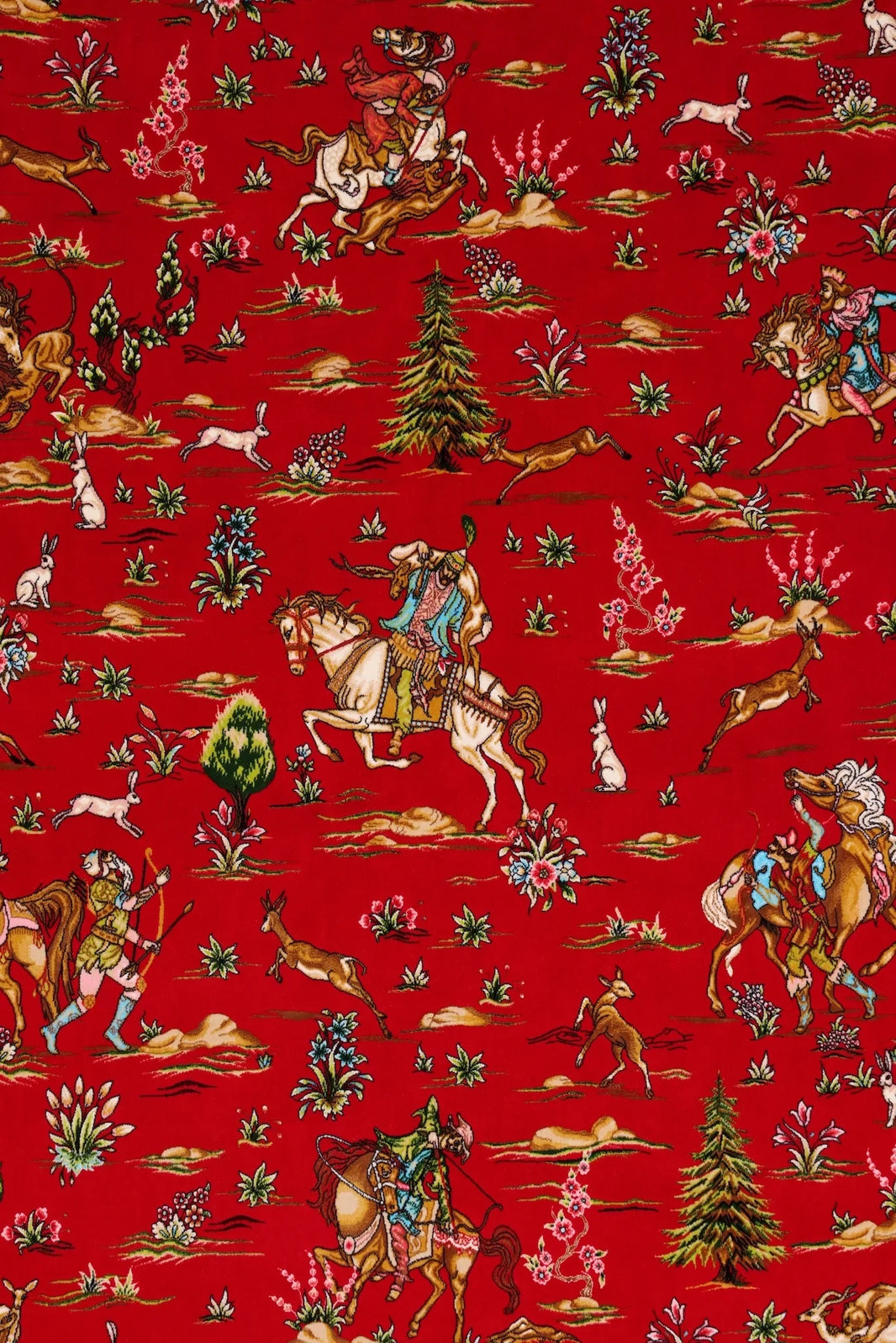
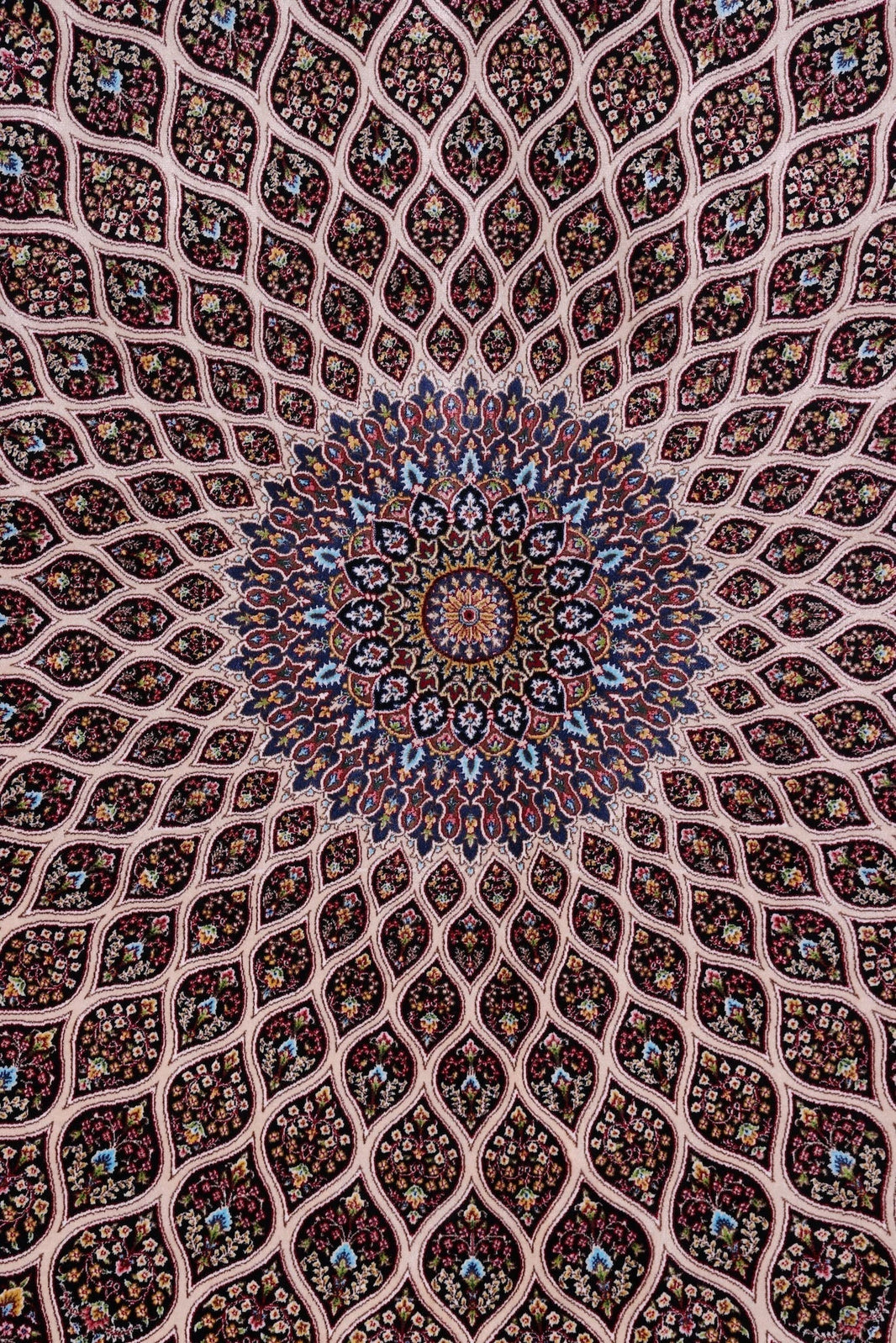
The Ahoo Red carries this weight without effort. Its crimson ground is not decorative boldness — it is a design decision made from a position of complete confidence. In a warm minimalist room, it becomes the room's axis. Timber floors, linen seating, and clean architectural lines organise themselves around it.
The Rooms That Endure Have Always Been Layered
Scandi interiors photographed beautifully. They were harder to live in. The rooms that age well — that feel better with time, not worse — are the ones built from materials that improve as they settle. Timber deepens. Leather softens. A rug with centuries of craft behind its pattern becomes more itself, not less, as the years move through it.
Warm minimalism is not a trend in the way its predecessors were. It doesn't depend on a single palette or a specific furniture profile. It depends on a commitment to feeling — to rooms that are calm because they are complete, not because they are empty.
Australian homes are finding this. The evidence is in what is being chosen: objects with provenance, materials with texture, colour with depth. The Persian rug fits this moment not because it is fashionable but because it has always been what these rooms were missing.
A room built with this much intention deserves a foundation that matches it. The Laleh Green is ready to be placed — see it in your space before you decide.
Visualize this rug in your room →