

Organic Modernism Is Rewriting the Australian Interior
Zagrosa · Interior Living
Organic modernism does not decorate a room — it reveals what the room always wanted to be.
Some rooms stop you at the door. Not because they're decorated, because they're considered. Every surface has a reason. Every material has weight. This is organic modernism, and it's rewriting the Australian interior from the ground up.
It isn't a trend in the way trends usually work, here one season, replaced the next. It's a reckoning. A collective decision, made quietly across Federation bungalows in Melbourne, warehouse conversions in Sydney, and coastal moderns along the NSW south coast, that cold precision has run its course.
Warmth is back. And it was never really gone.
The End of the Perfectly Empty Room
Scandi minimalism gave Australian interiors a decade of beautiful restraint. White walls, pale timbers, negative space treated as a design element in itself. For a while, it worked. Then it started to feel like living inside a concept rather than a home.
Organic modernism inherits minimalism's discipline, the commitment to restraint, the refusal of clutter, but fills it with something that actually breathes. Raw stone beside aged timber. Linen layered over cotton. A rug that carries centuries of craft into a room built last year.
The shift isn't about adding more. It's about adding better. Every object earns its place through texture, provenance, or feeling. Decoration for its own sake doesn't survive here.
What Australian Homes Already Know
The organic modern movement found an unexpectedly willing host in the Australian interior. The country's architectural bones, the Federation bungalow's deep cornices and warm brick, the warehouse conversion's raw concrete and industrial steel, the coastal modern's bleached timber and generous light, were already telling a story about material honesty.
Australian homes have always had warmth written into their structure. Organic modernism simply gave that instinct a name and a vocabulary.
What it demands now is that every subsequent decision honour what's already there. The sofa. The stone. The timber. And beneath all of it, the rug. The piece that either holds the room together or quietly unravels it.
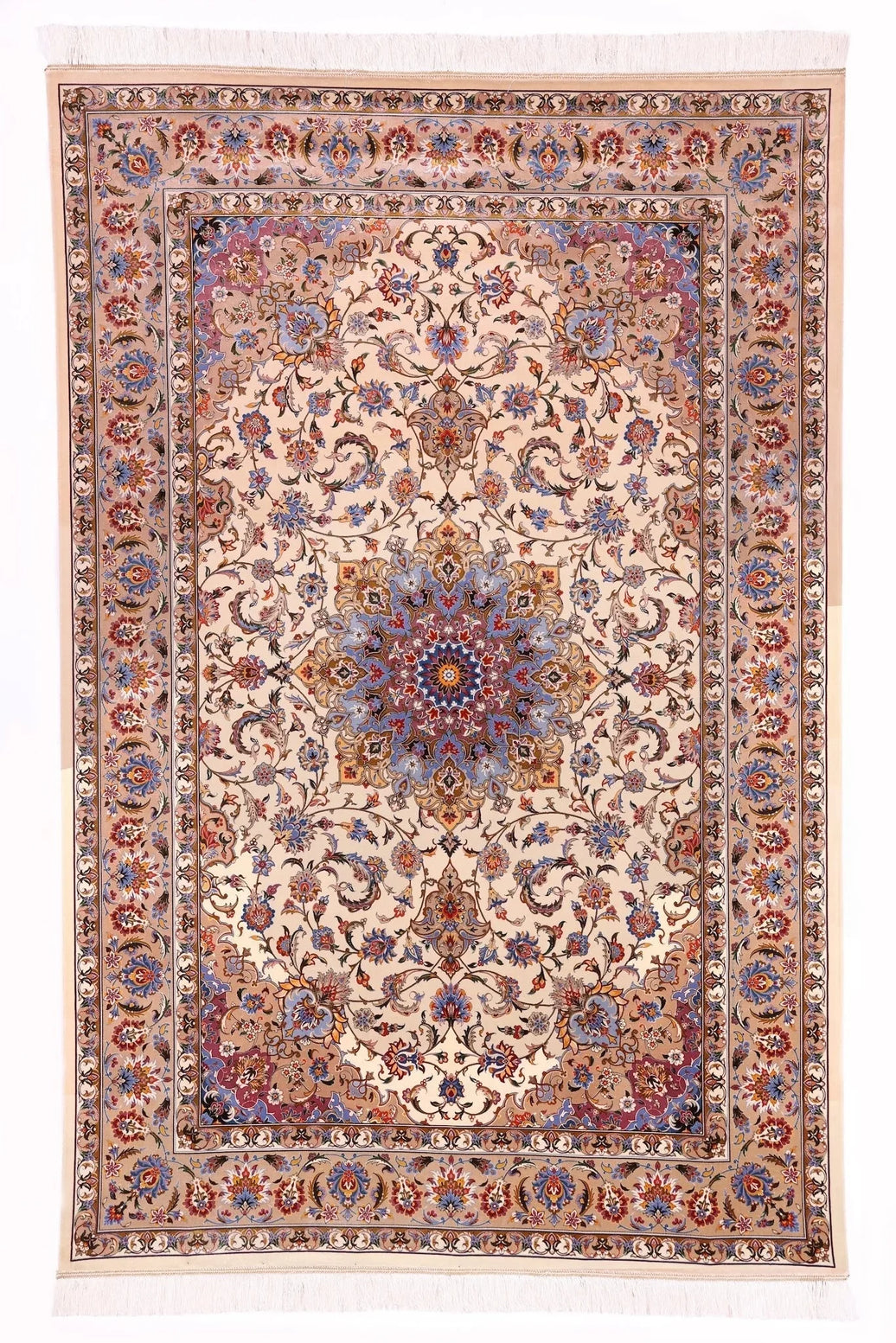
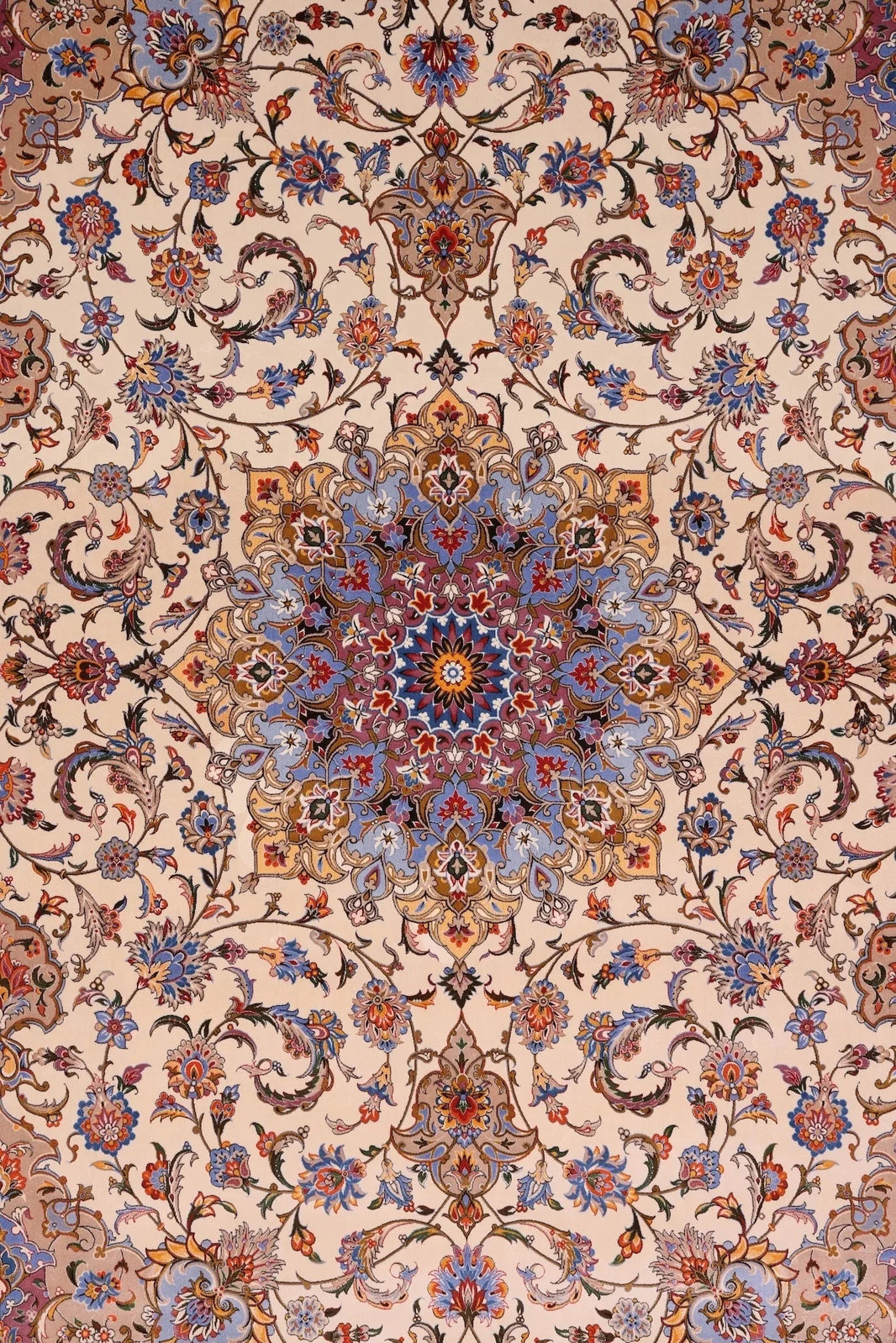
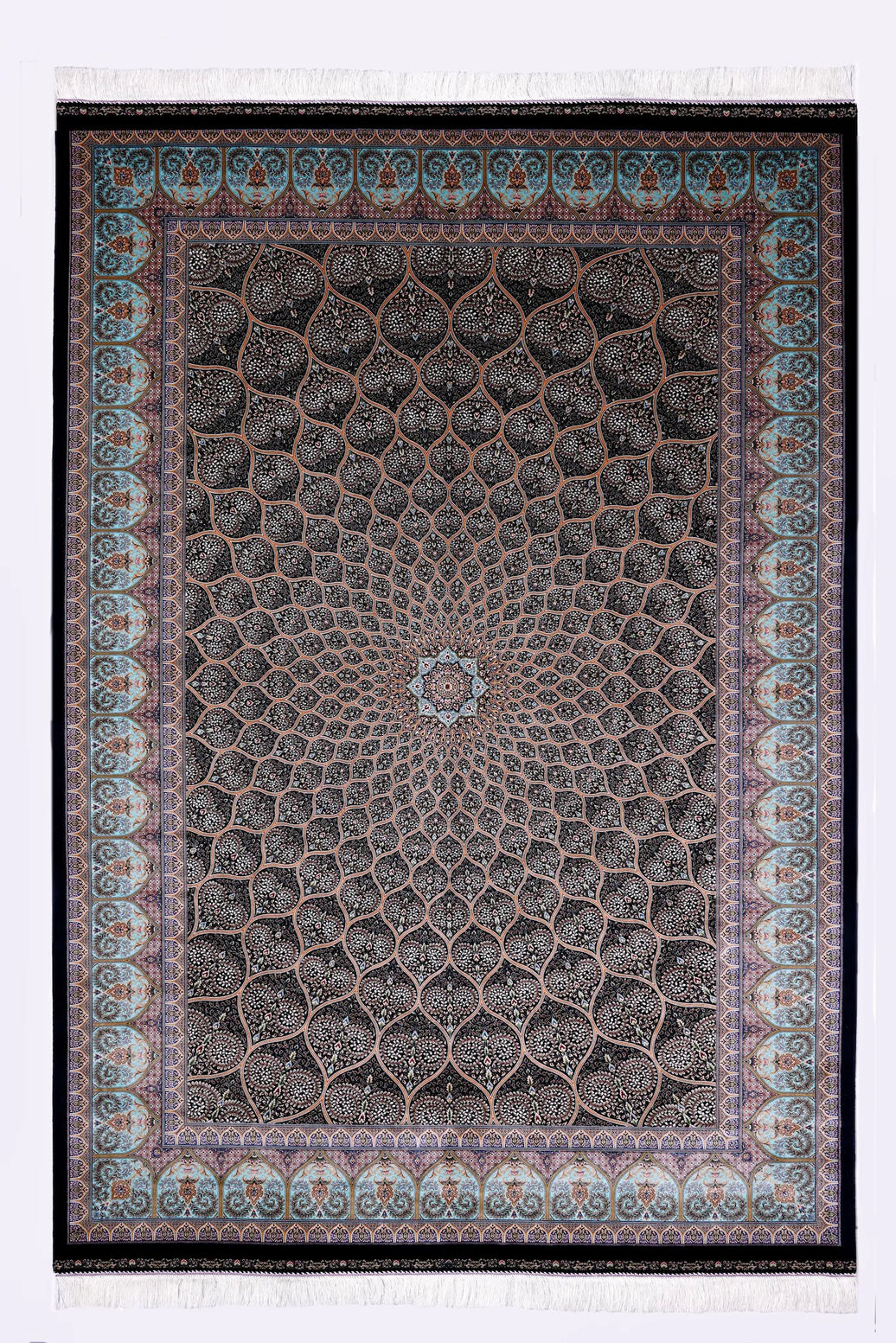
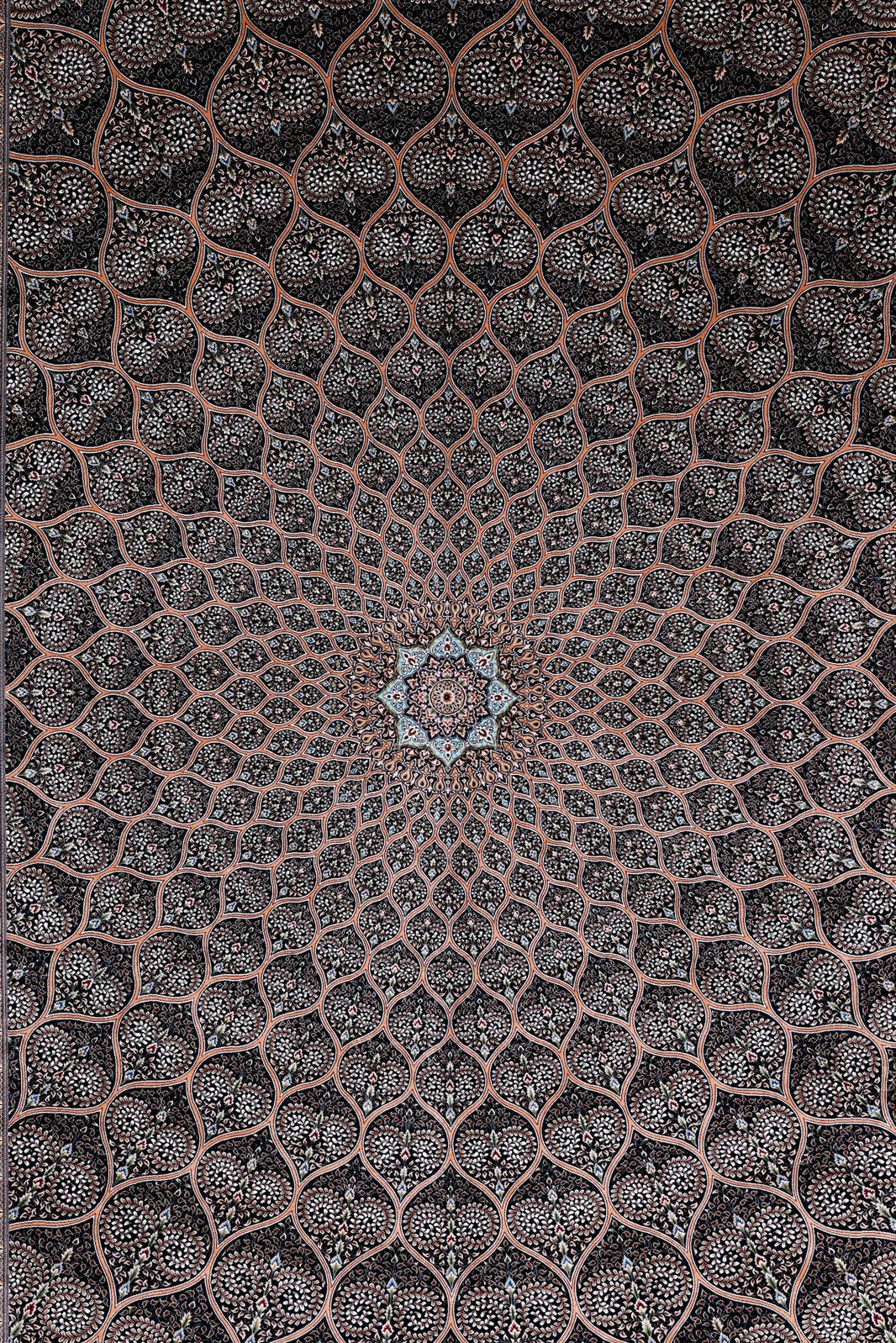
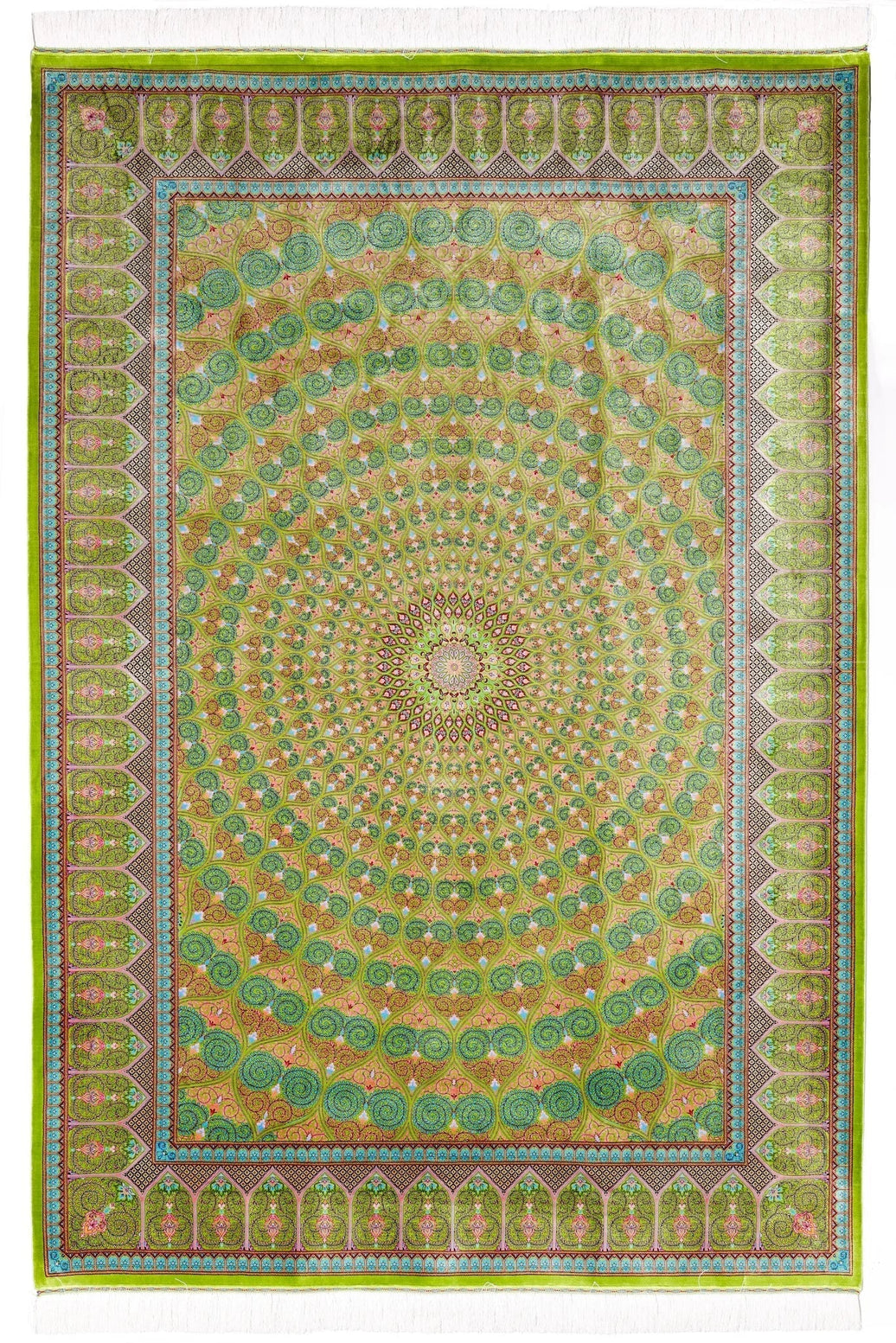
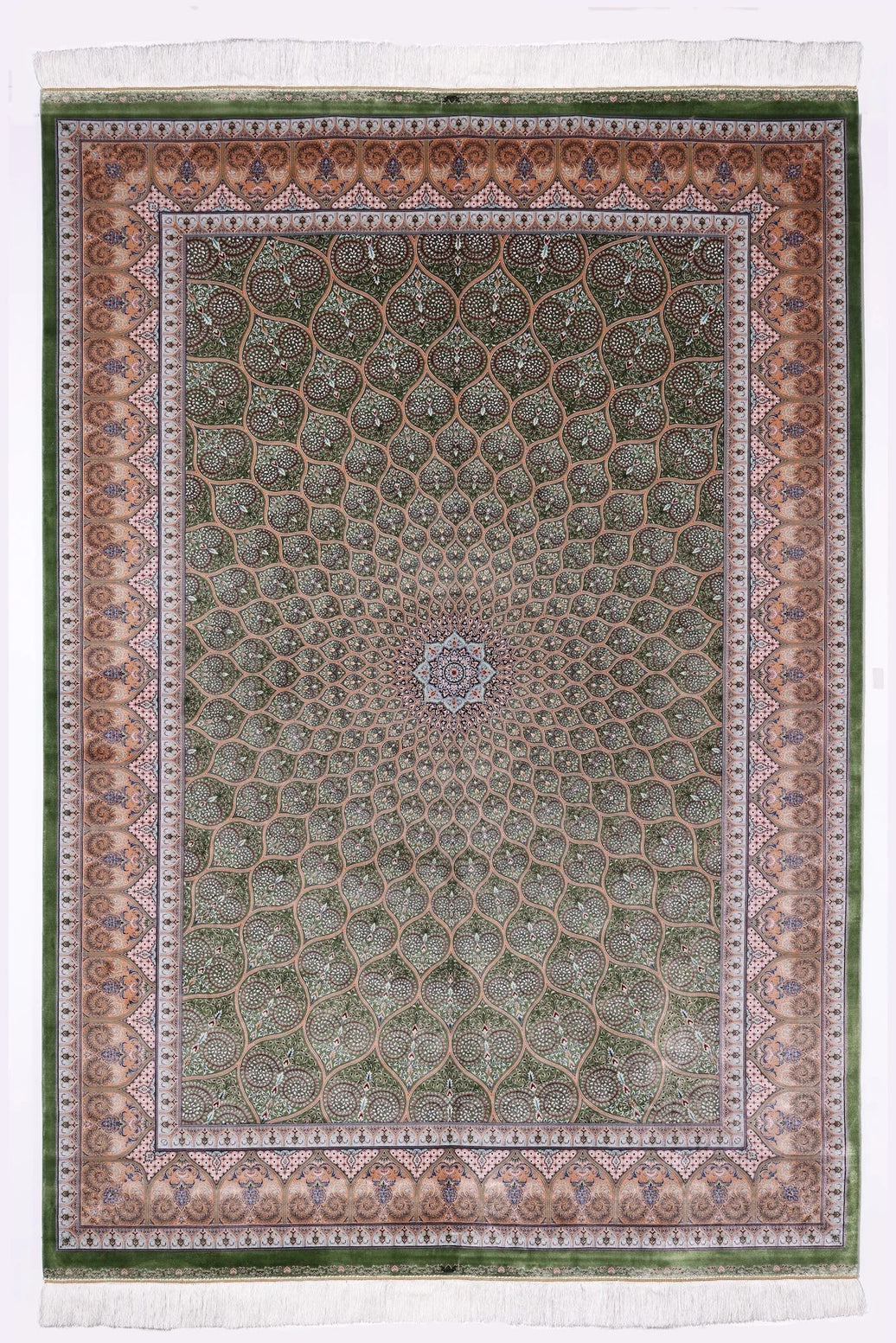
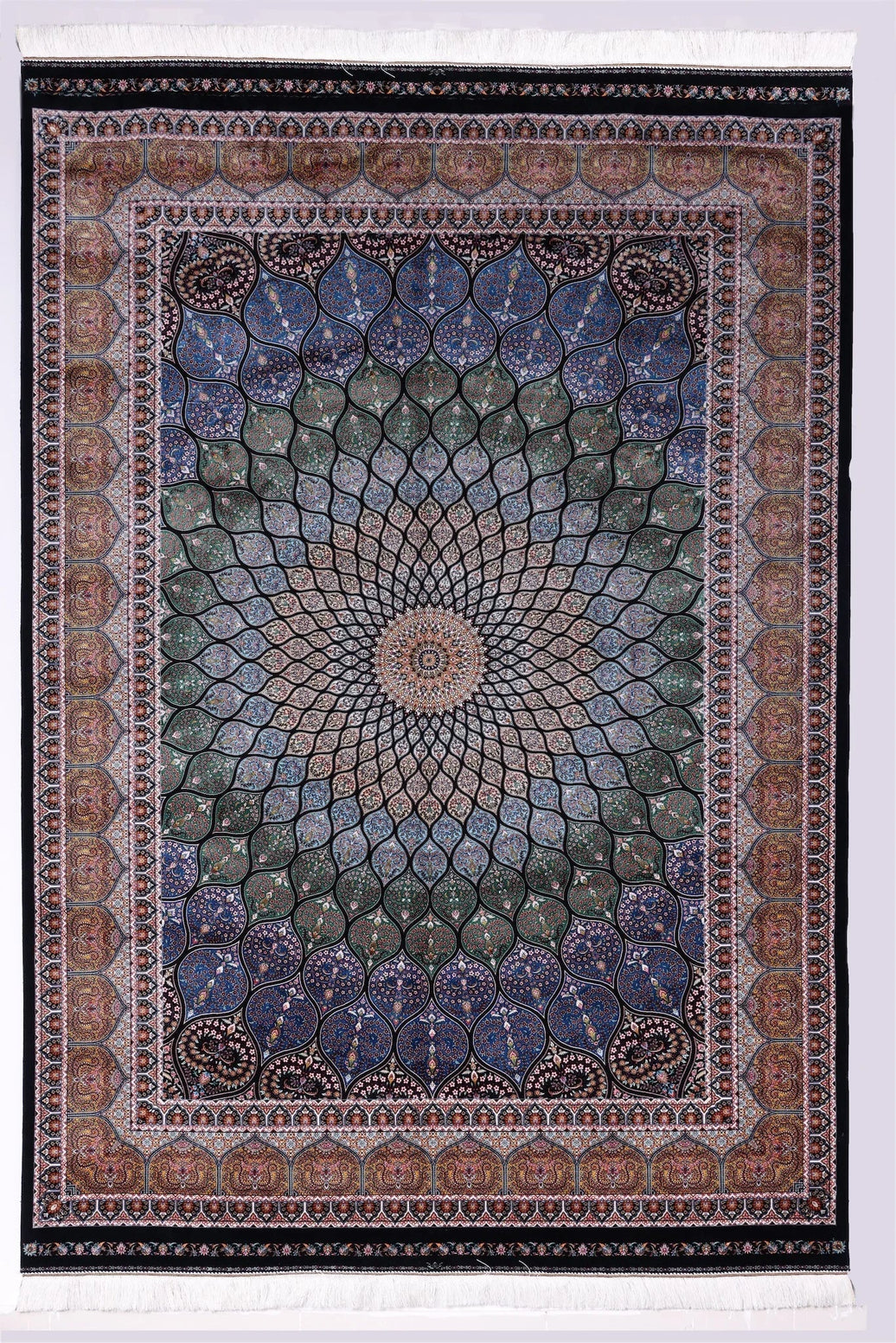
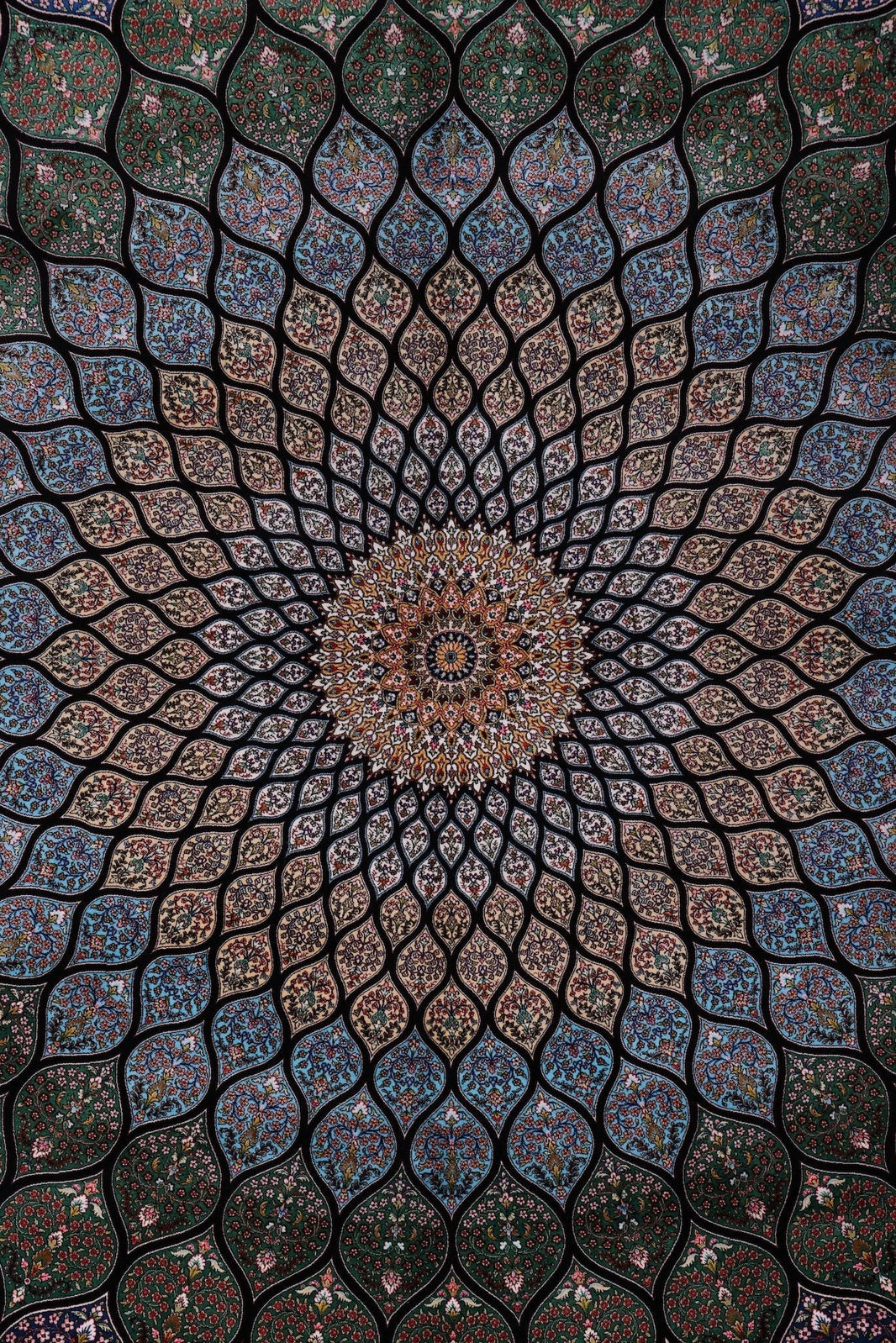
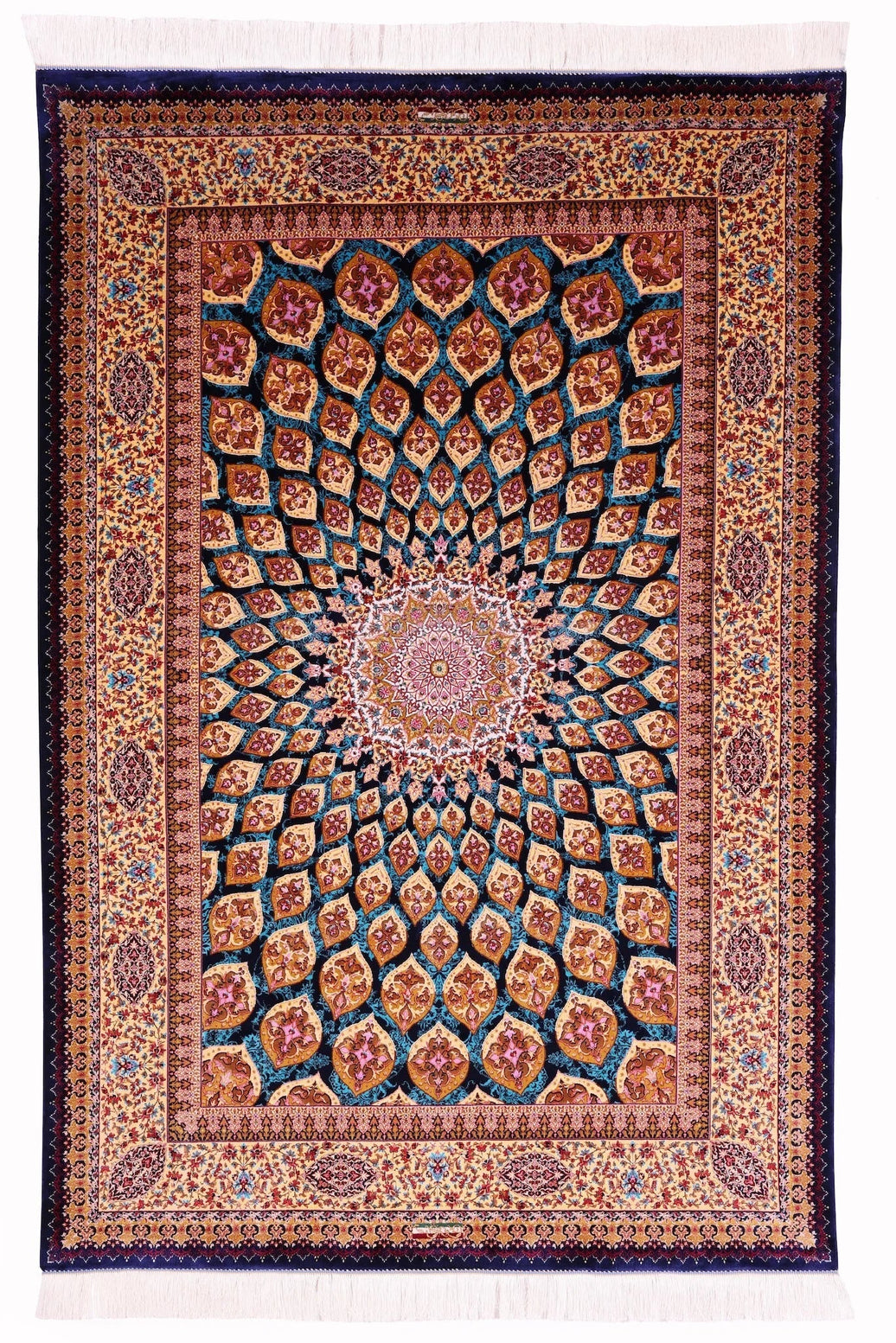
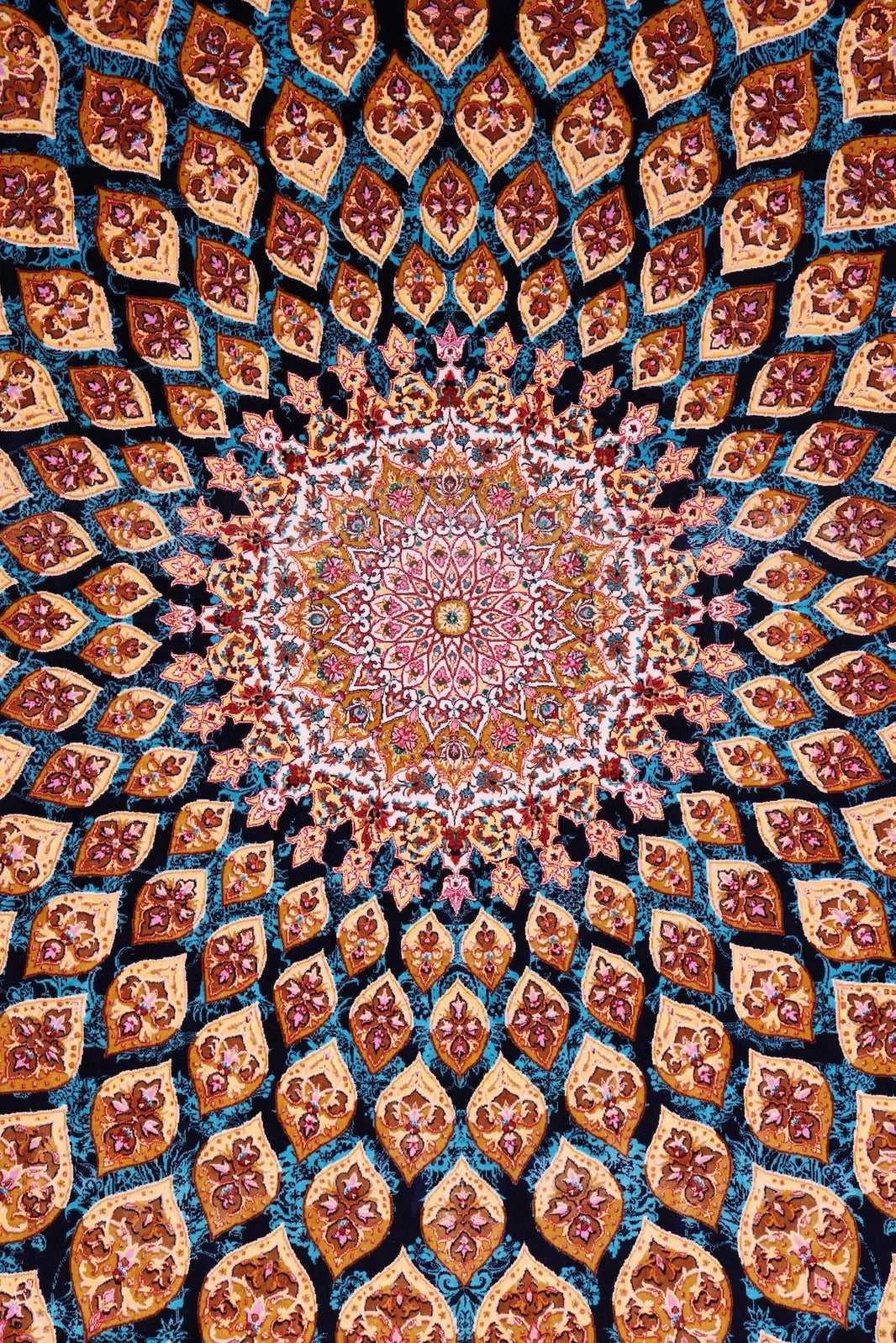
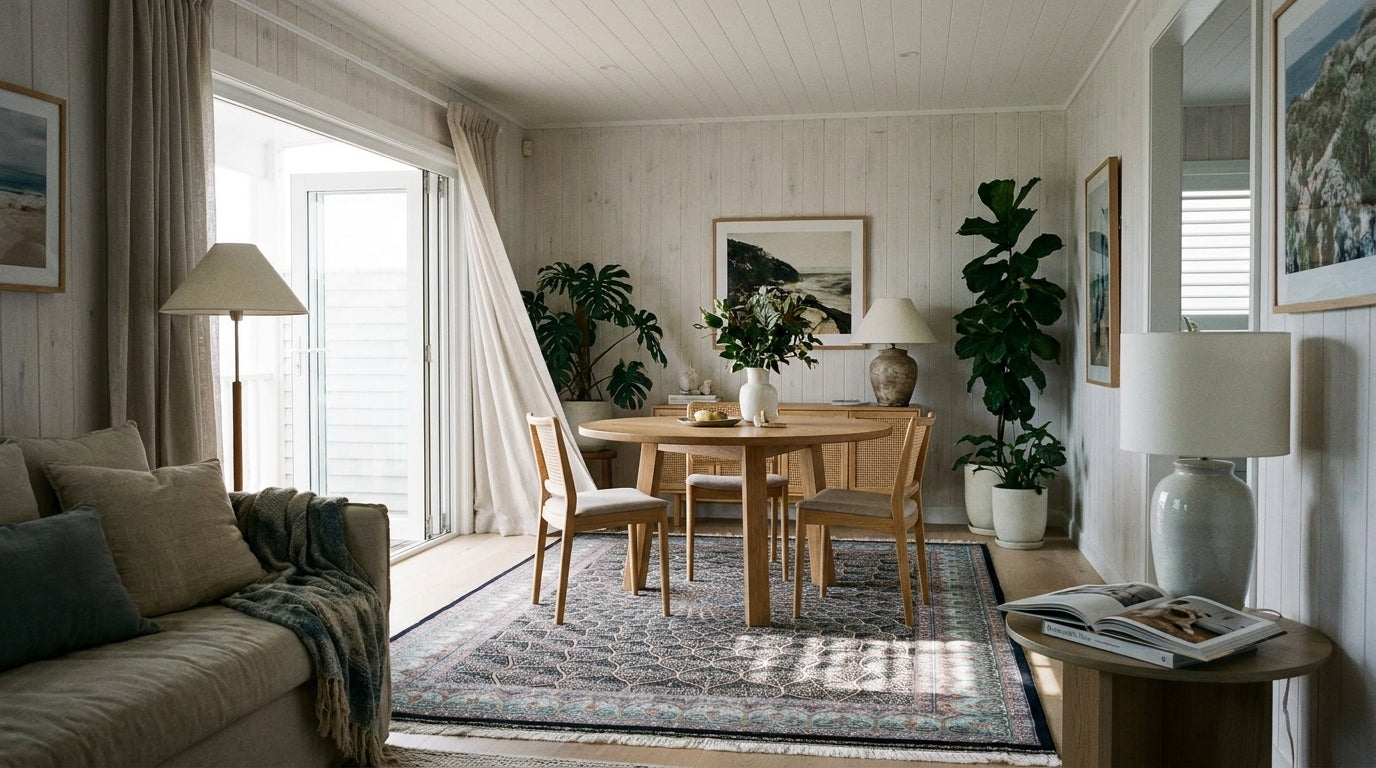
A Persian rug functions as the thermal and visual centre of an organic modern room. It grounds stone and timber in a design language older than any of them. The Baam in Navy Blue does this with particular authority, its deep, ink-washed ground and traditional Persian medallion sit beneath contemporary furniture as though the room was built around it, not the other way around.
The Palette That Persian Artisans Have Always Known
Colour in organic modernism lives in the earth. Terracotta warming a north-facing wall. Deep crimson pulled from aged kilim fragments. Warm navy the colour of a sky just before dark. Aged ivory beside raw linen.
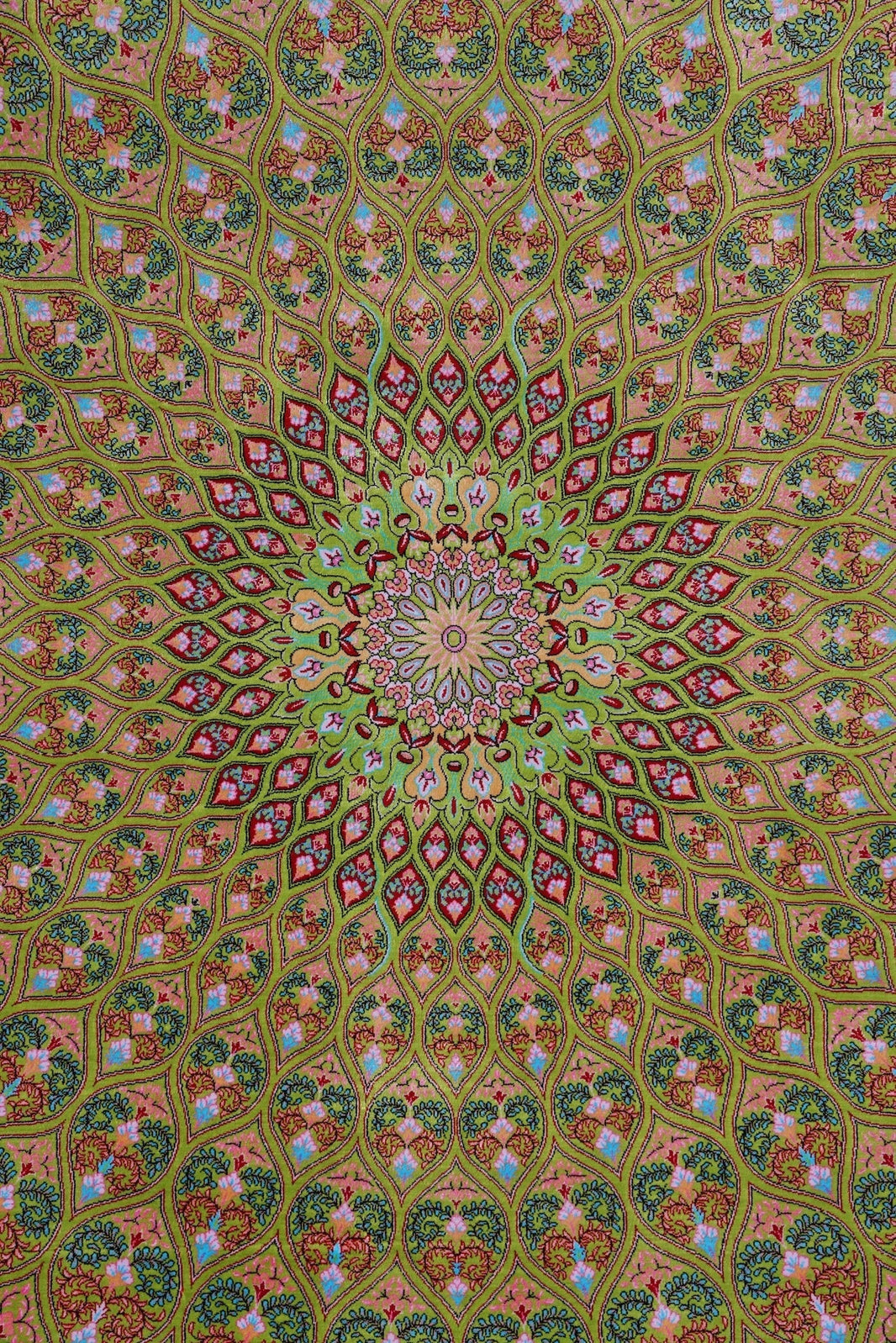
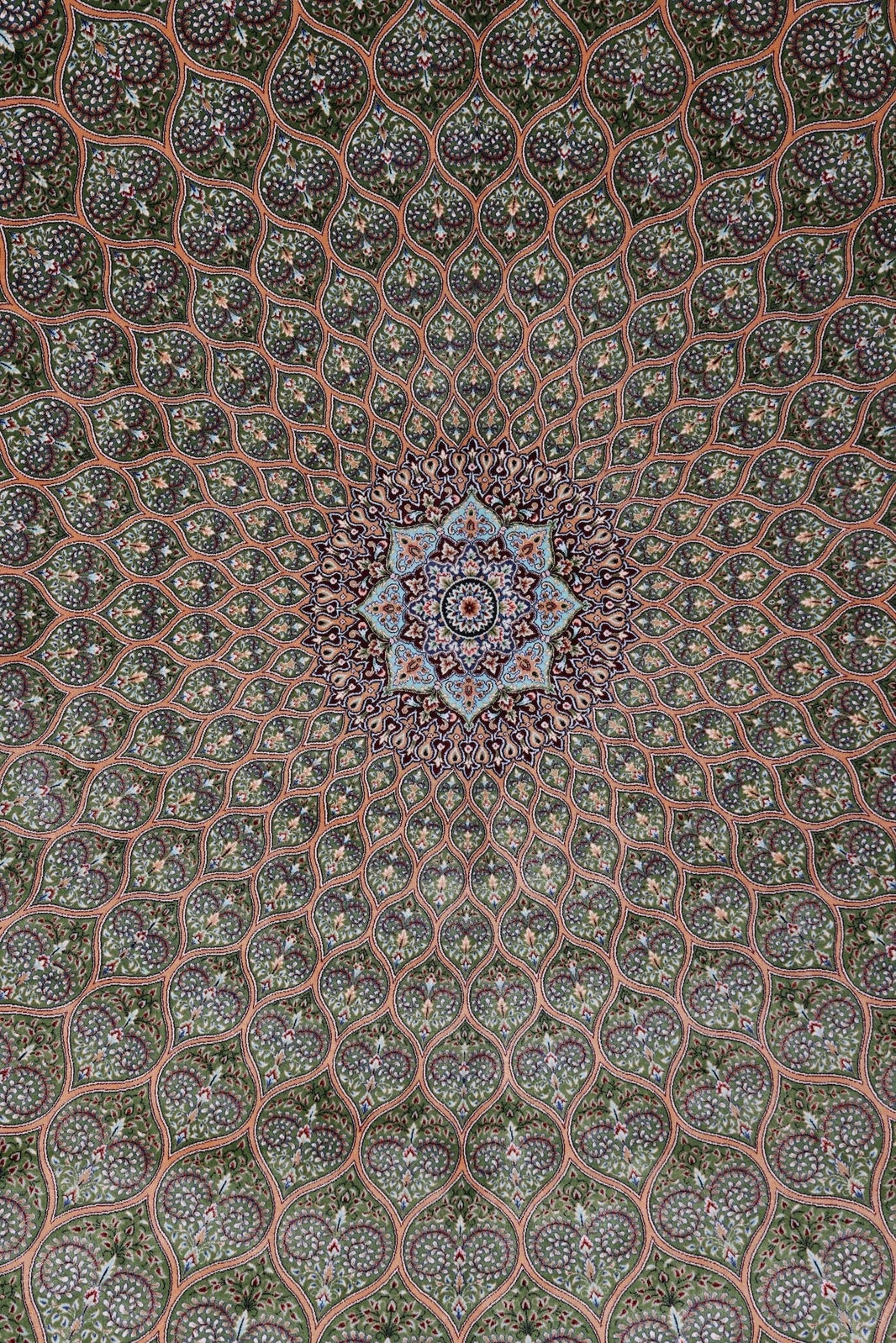
These aren't colours invented for this moment. Persian artisans have worked within this exact palette for centuries, drawing from pomegranate, indigo, walnut husk, and saffron to produce the complex, layered tones that no synthetic process has fully replicated. The resonance between organic modernism and Persian heritage isn't coincidental. It's chromatic kinship.
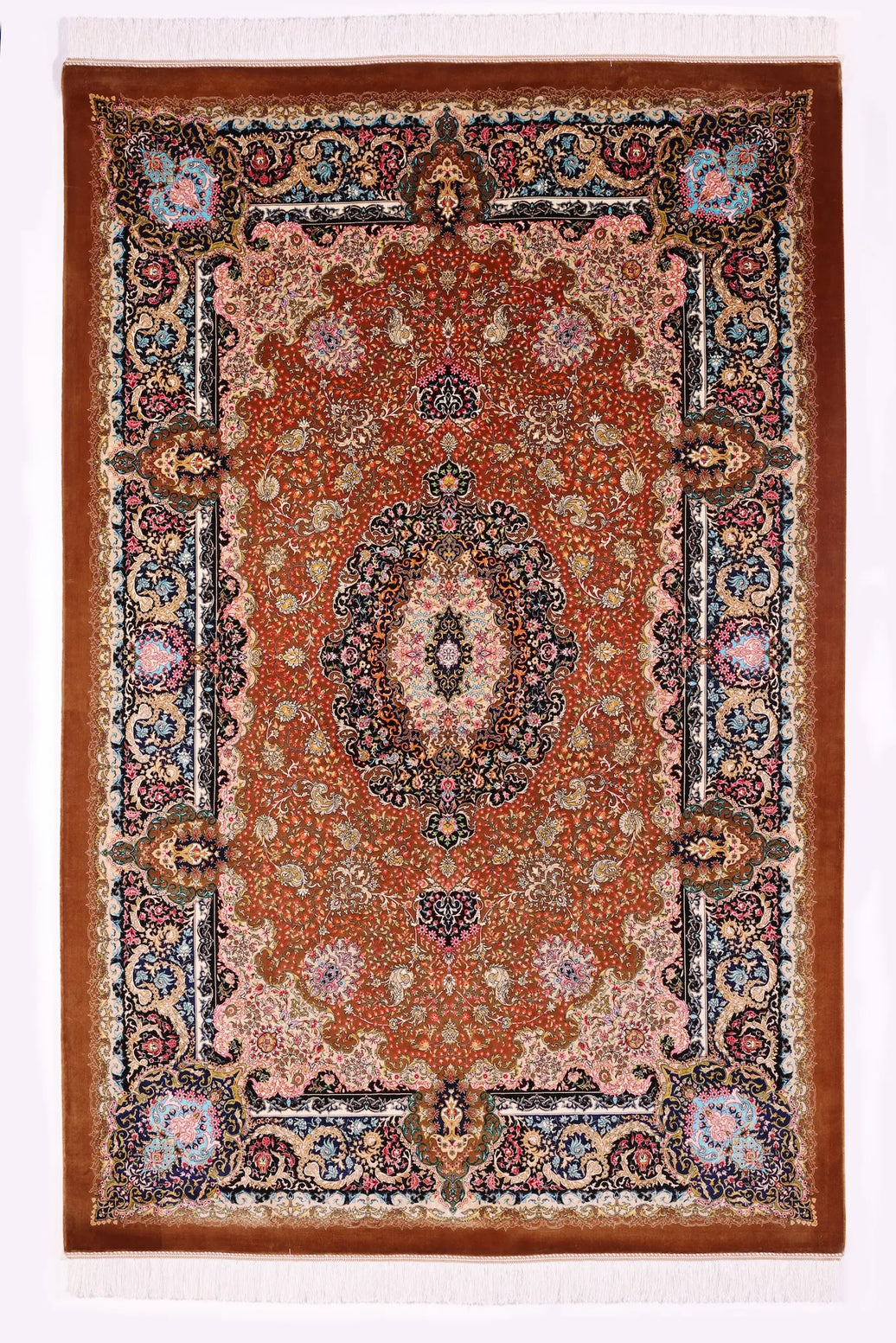
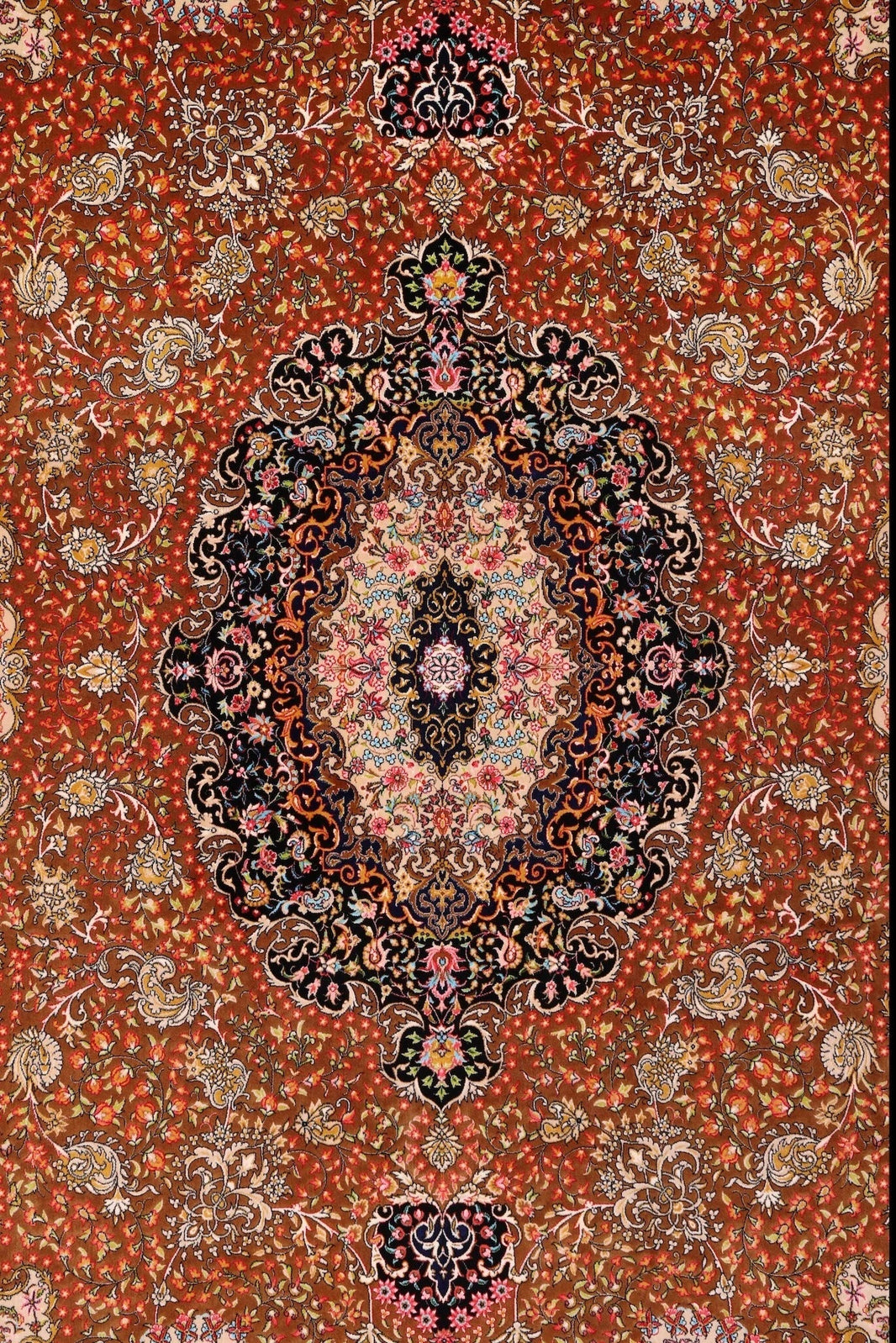
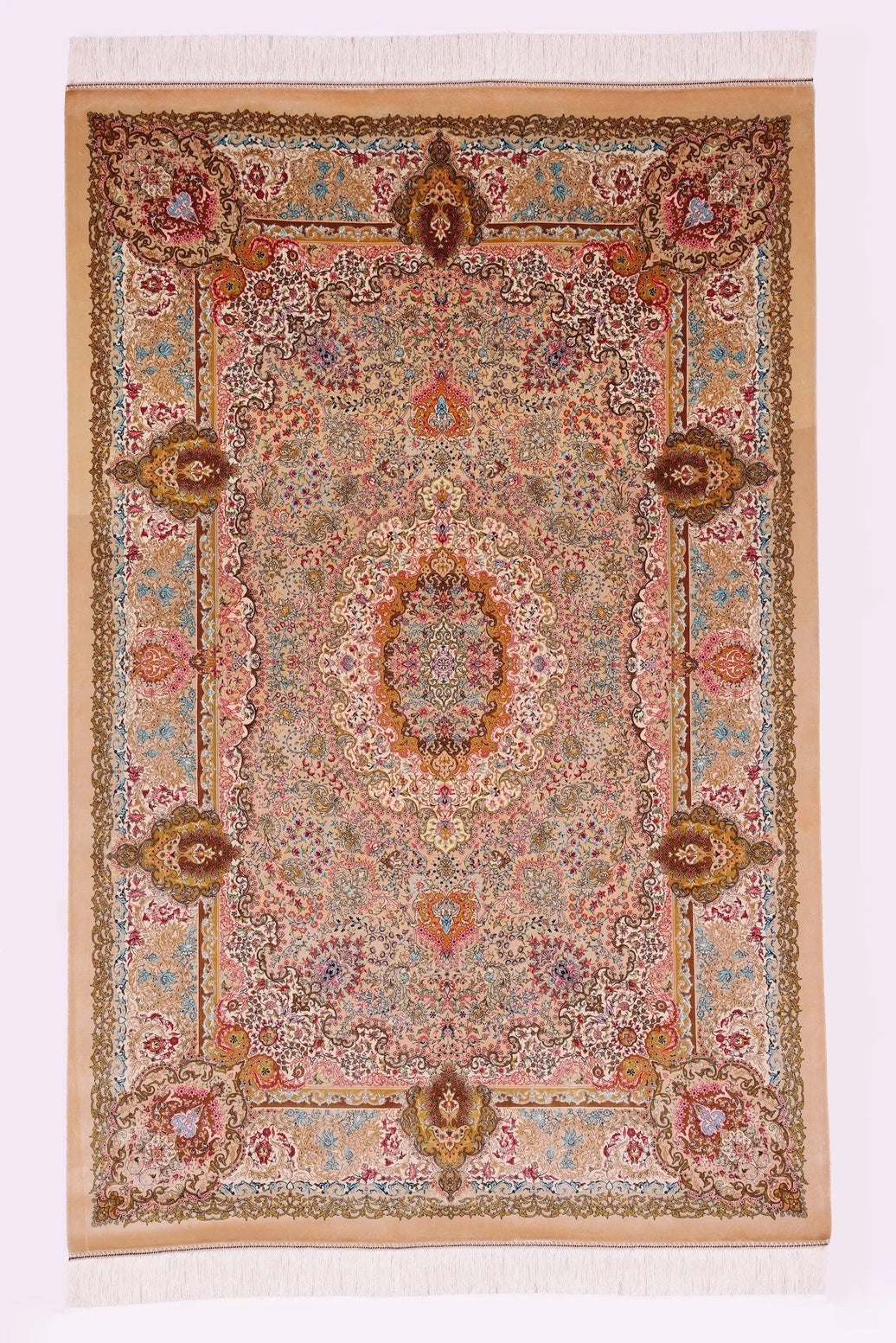
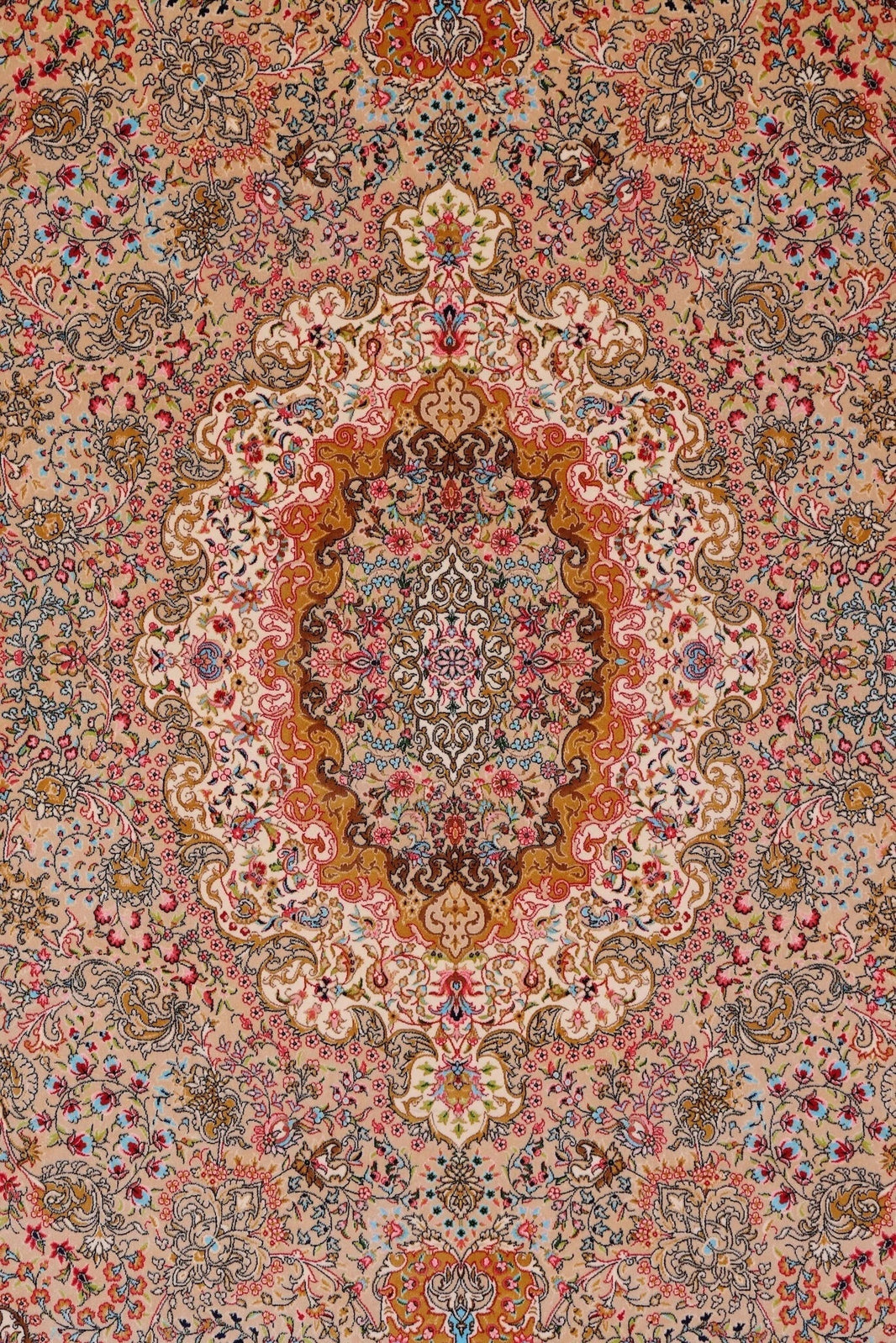
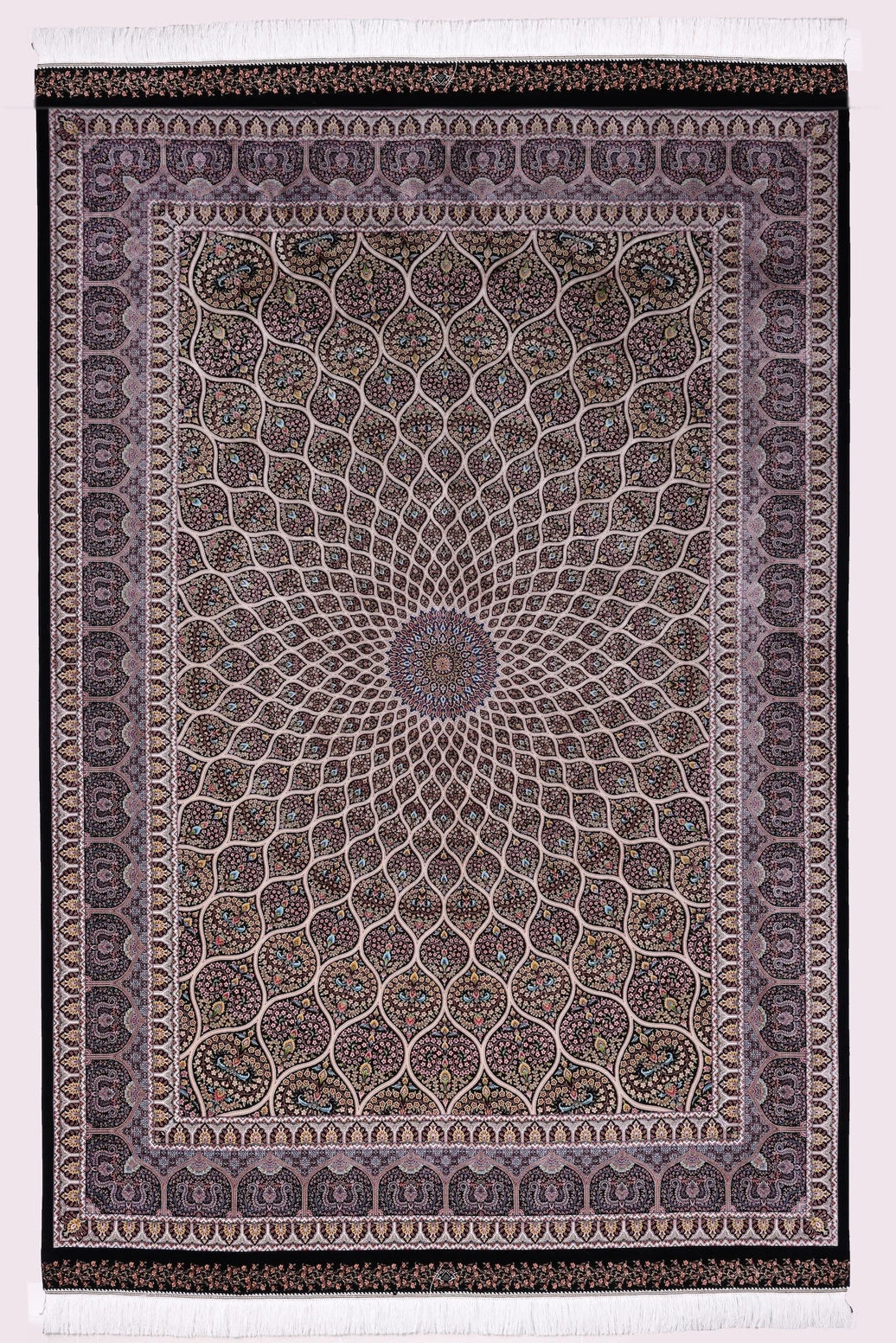
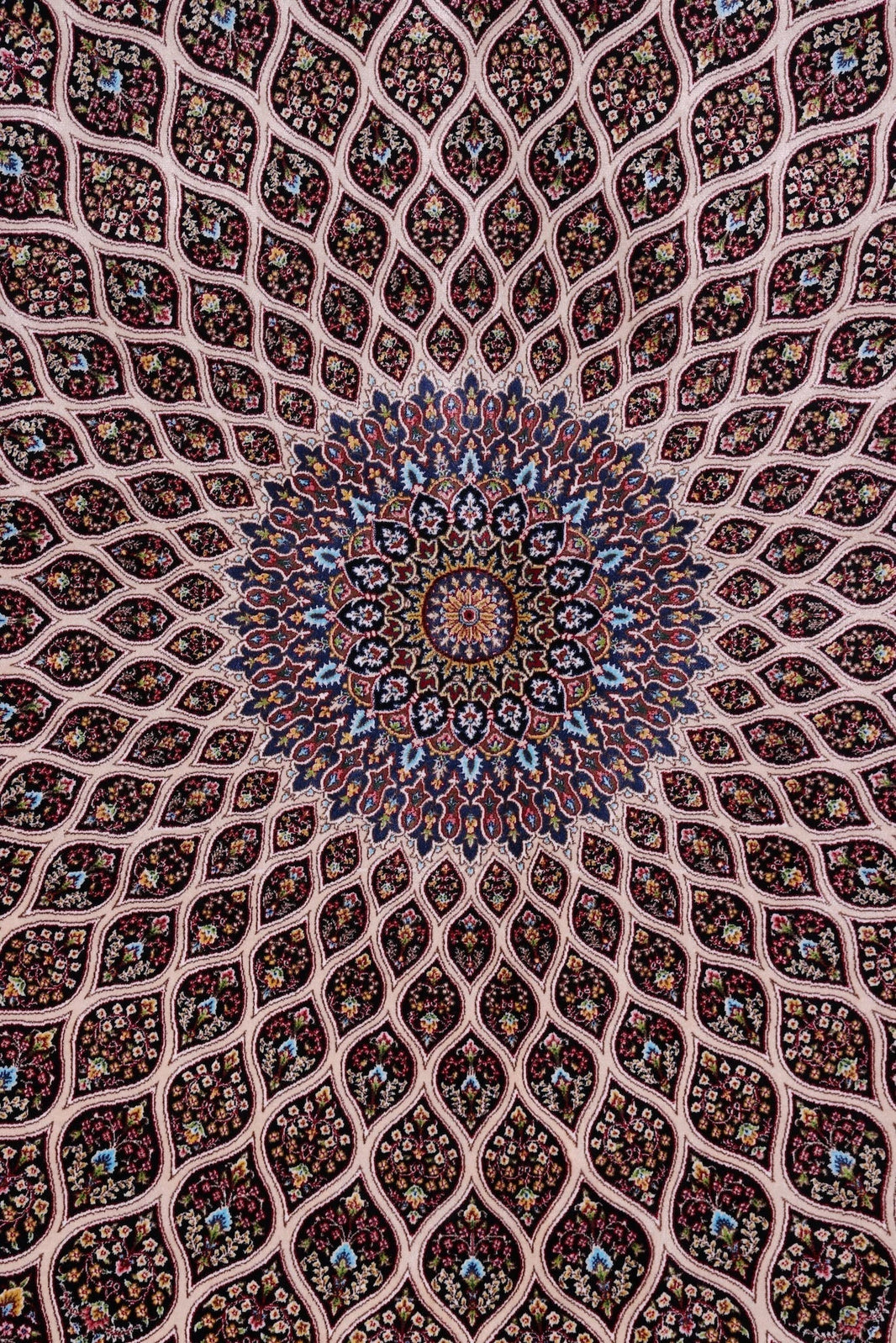
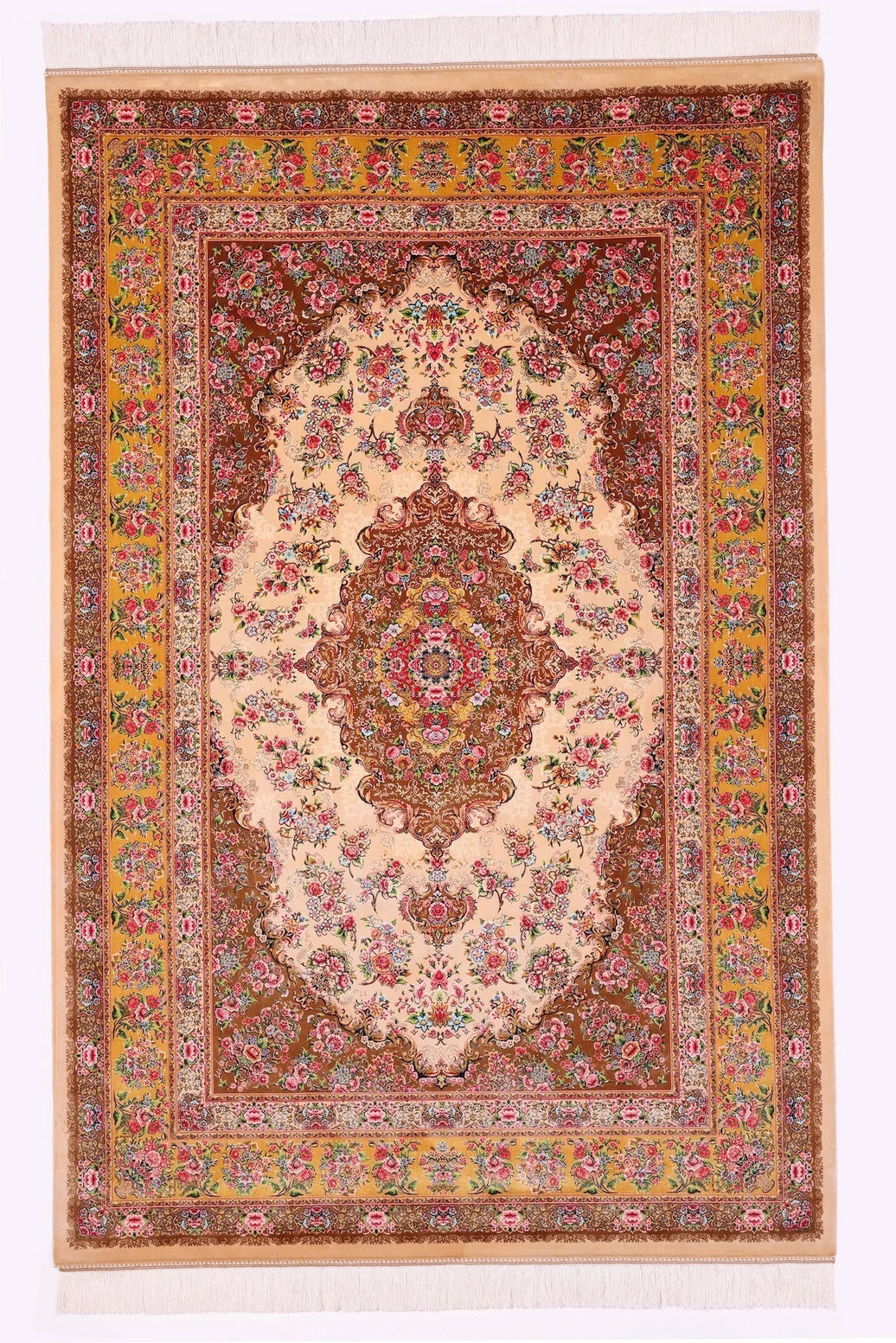
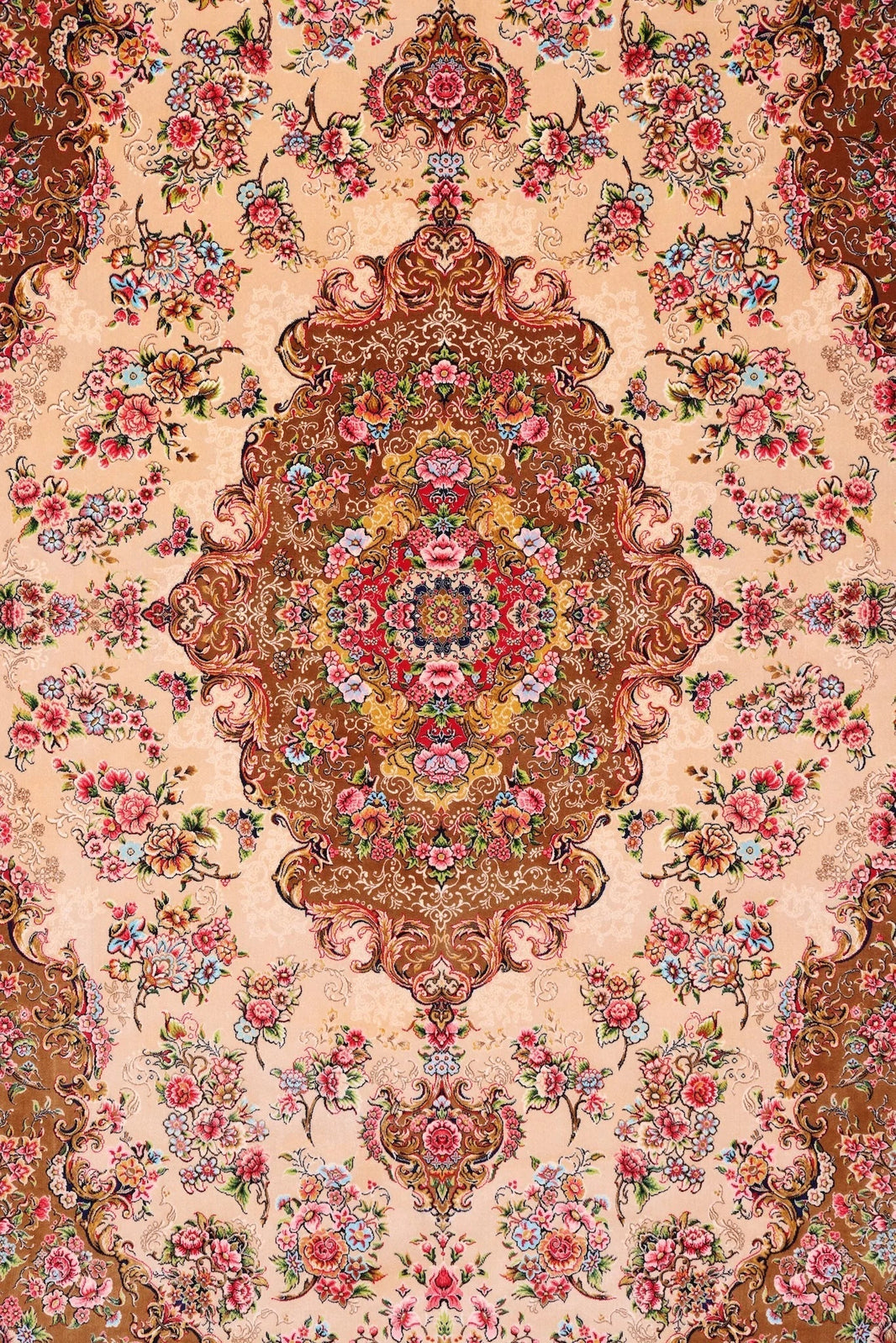
The Aylar in Cinnamon belongs in this conversation entirely. Its warm, spiced ground carries the depth of that centuries-old tradition into a contemporary Australian interior without compromise. Laid beneath a linen sofa on pale spotted gum flooring, it brings the room's palette into coherence.
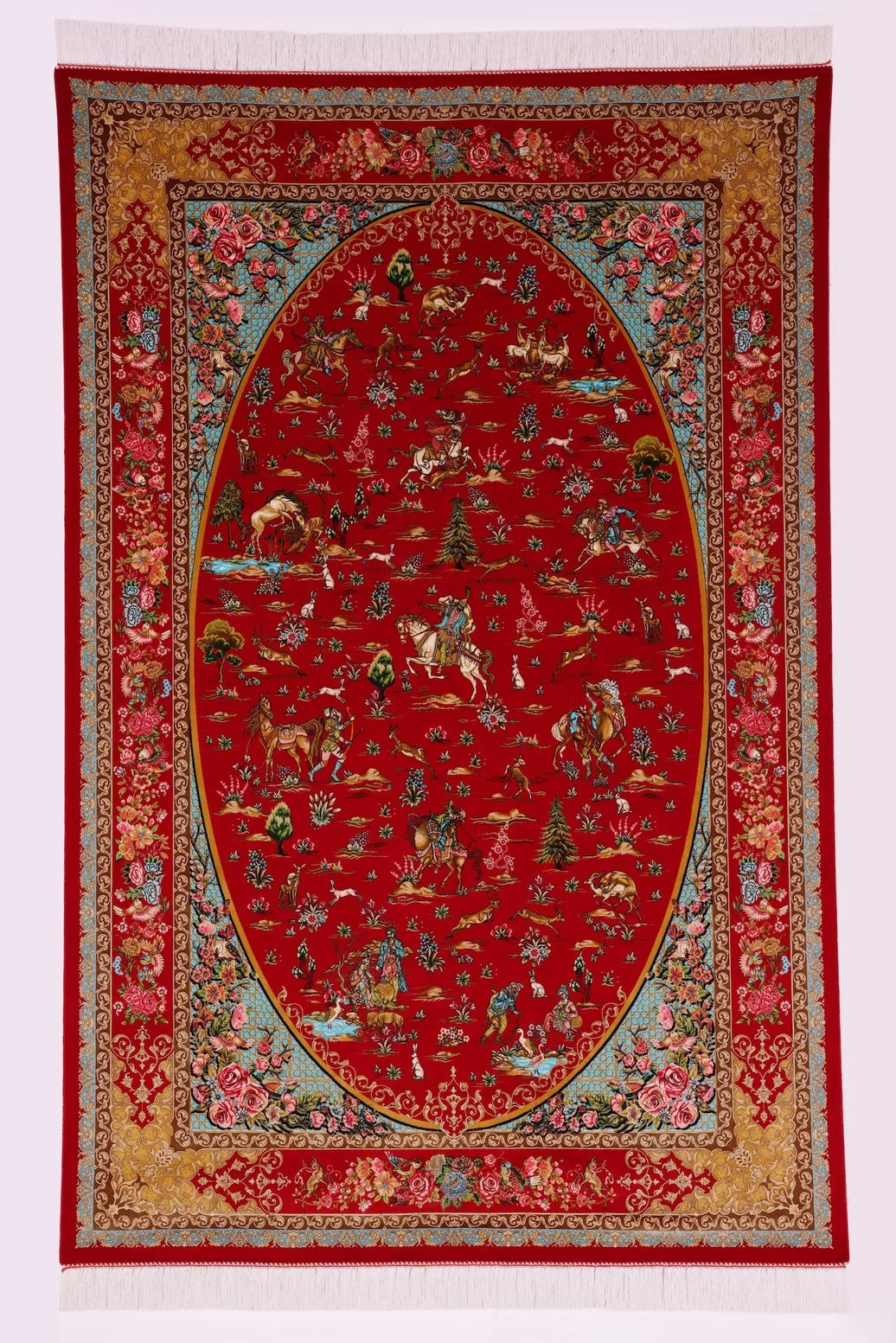
Where crimson is the right answer, and in certain rooms, it unambiguously is, the Ahoo in Red delivers it without hesitation. Deep, considered, grounded. Not a colour that shouts. A colour that settles.
Restraint as the Highest Form of Decoration
The hardest thing about organic modernism is knowing when to stop. The movement's authority comes entirely from its discipline. One unnecessary object, one surface that hasn't earned its place, and the whole reading of the room shifts.
This is where the Persian rug proves its value beyond aesthetics. It isn't decoration. It's structure. The silk-like pile catches light differently across the day, heavier in morning shadow, luminous in afternoon sun, and in doing so, it gives the room movement without chaos. It anchors the space while keeping it alive.
Australian homes that have embraced organic modernism understand this intuitively. The rug isn't chosen last, as an afterthought placed over floorboards. It's chosen alongside the stone bench, the linen curtain, the aged timber shelf, as one of several decisions that define what the room is for and how it makes people feel.
Persian heritage earns its place in that shortlist. Patterns that encode the geometry of gardens, the mathematics of nature, the visual grammar of a civilisation that understood beauty as something useful. These aren't motifs. They're a worldview, woven flat.
The considered Australian home is asking harder questions of everything it contains. A Persian rug is one of the few things that answers all of them at once.
Visualize this rug in your room →