

The Sydney Victorian Living Room That Refuses to Be Ordinary
Zagrosa · Interior Living
The Victorian terrace does not ask you to decorate it. It asks you to meet it — and then, slowly, make it yours.
Some rooms arrive with a history already written into the walls. Sydney's Victorian terraces are exactly that, architecture with memory, where plaster cornicing and picture rails aren't decorative additions but structural statements of intent. The living room inside a Victorian terrace doesn't need to be invented. It needs to be understood.
This is a room that rewards restraint and confidence in equal measure. Get it right, and it feels like it has always looked this way.
The Architecture Is Already Doing the Work
Sydney's inner-city Victorian terraces; Paddington, Surry Hills, Newtown, Glebe carry detail that no new build can manufacture. Plaster cornicing with its deep relief. Picture rails running the full perimeter of the room. Timber floorboards worn to a warm, uneven amber by a century of feet. These aren't features to decorate around. They are the foundation.
The mistake most people make in a Victorian living room is fighting that foundation. Painting out the architraves. Floating white furniture against white walls. Stripping the room of its period character in pursuit of something cleaner, more contemporary. The result is a room that looks like it is apologising for its own bones.
The better approach: let the architecture set the key. Then build into it. The cornicing already has geometry. The floorboards already have warmth. The picture rails already give you vertical rhythm. Every choice after that is an extension of what the room already knows how to do.
The Victorian Living Room Rewards Layering
A single-era room feels preserved. A layered room feels lived in. That distinction is everything.
The Victorian interior was never a pure object. It was an accumulation, furniture acquired over years, textiles brought home from travel, art hung not for cohesion but for meaning. The most convincing Victorian living rooms in Sydney today carry that same logic forward. A nineteenth-century marble mantel sits beside a mid-century armchair. A contemporary ceramic sits on a Georgian side table. The room is not confused by this. It is deepened by it.
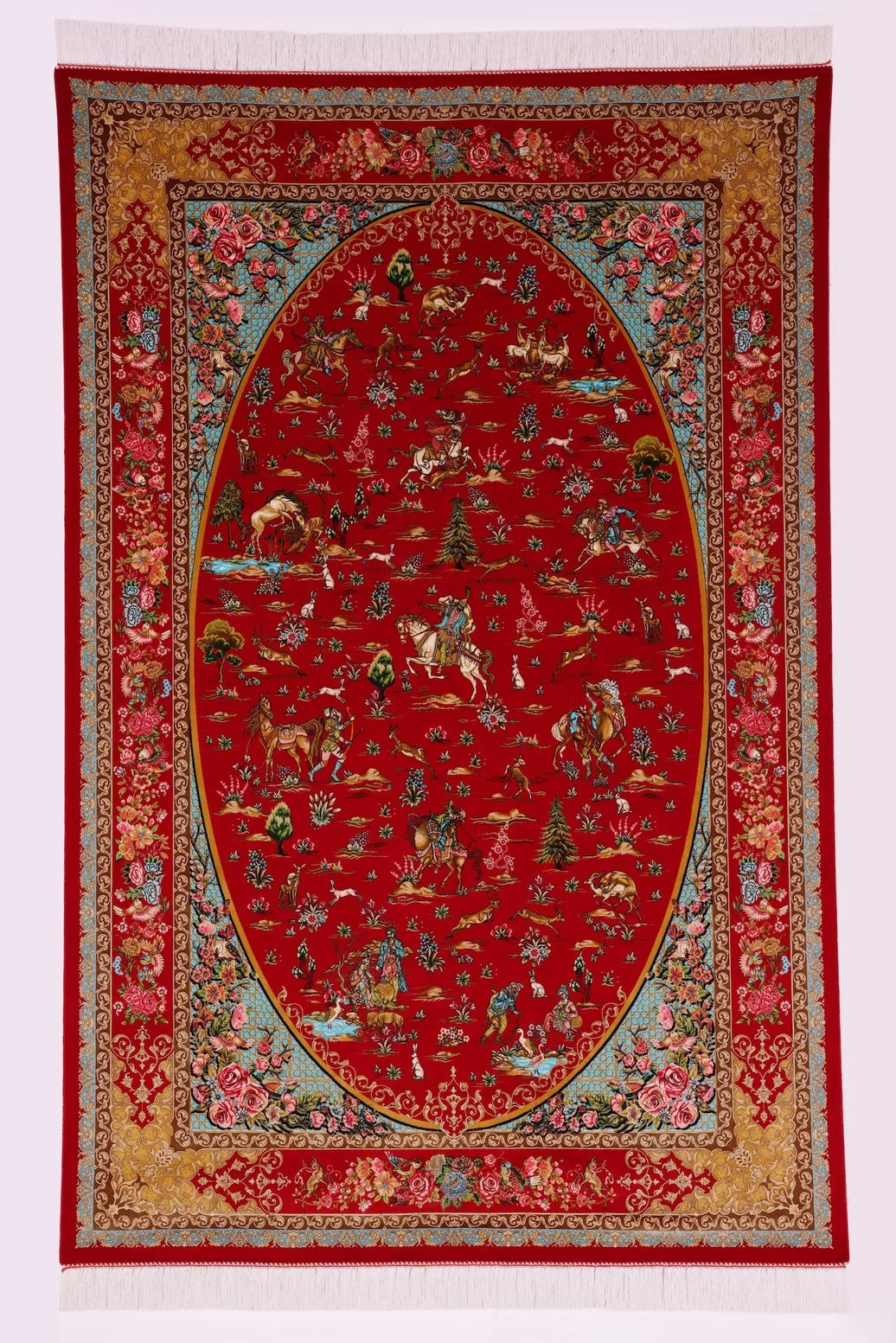
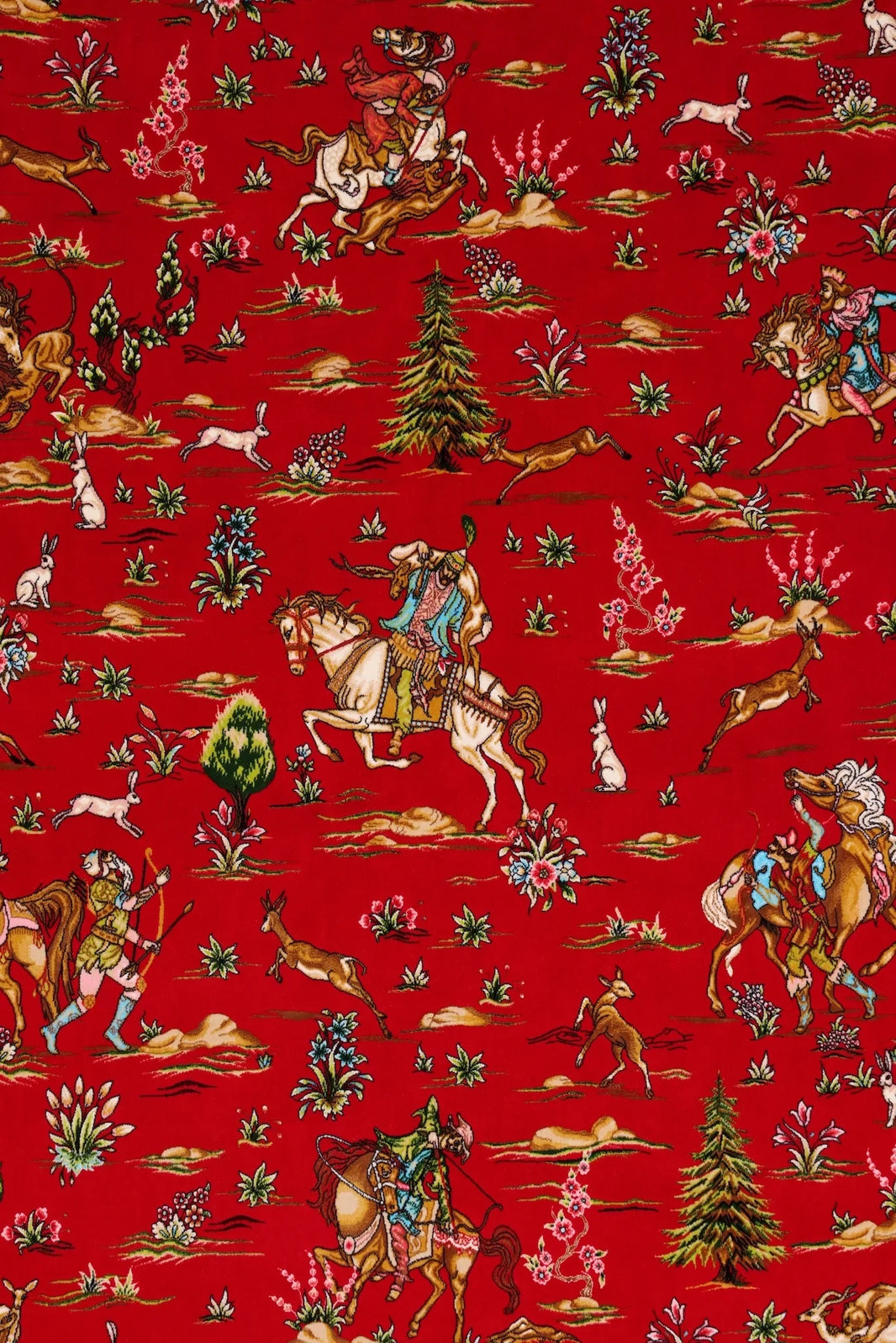
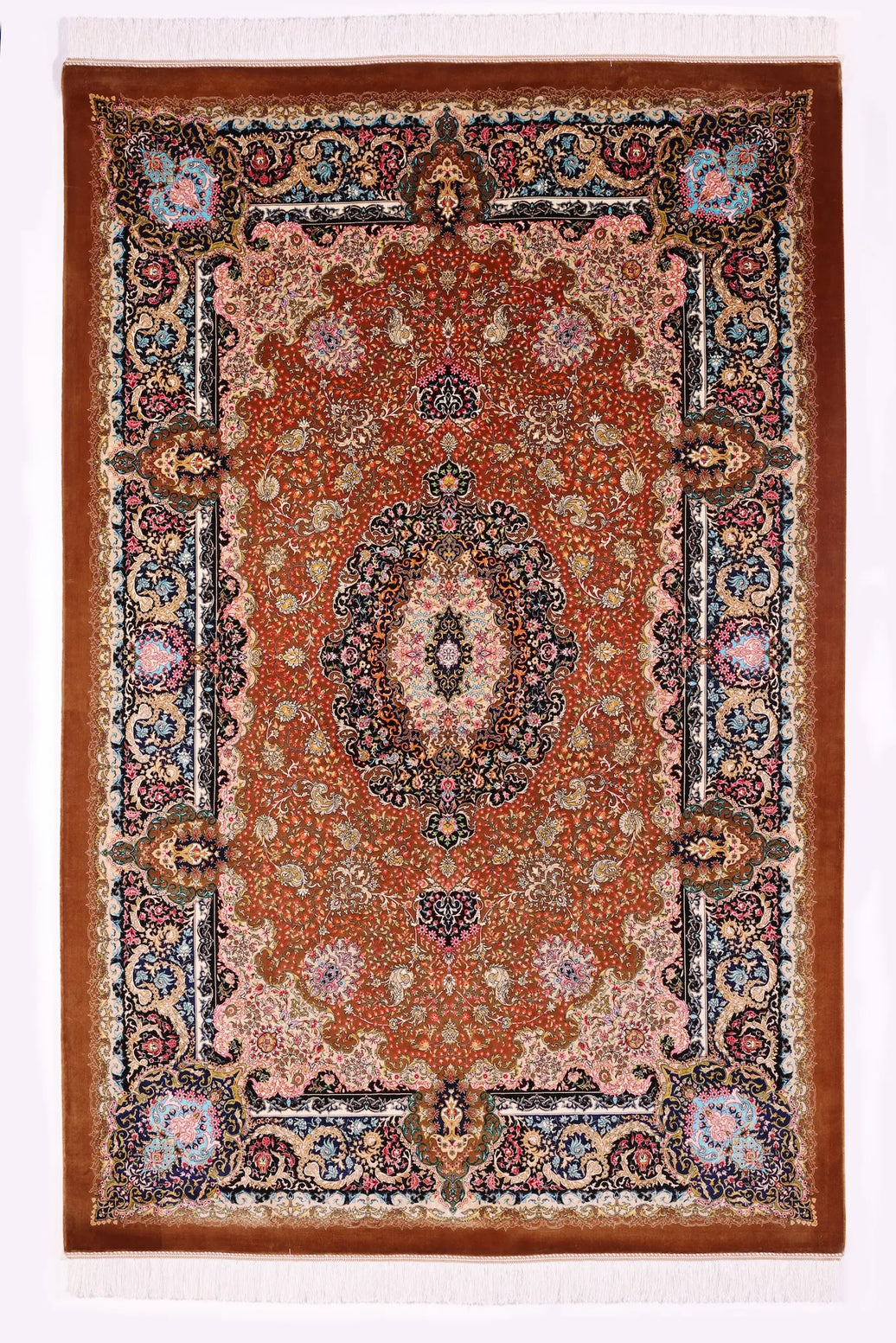
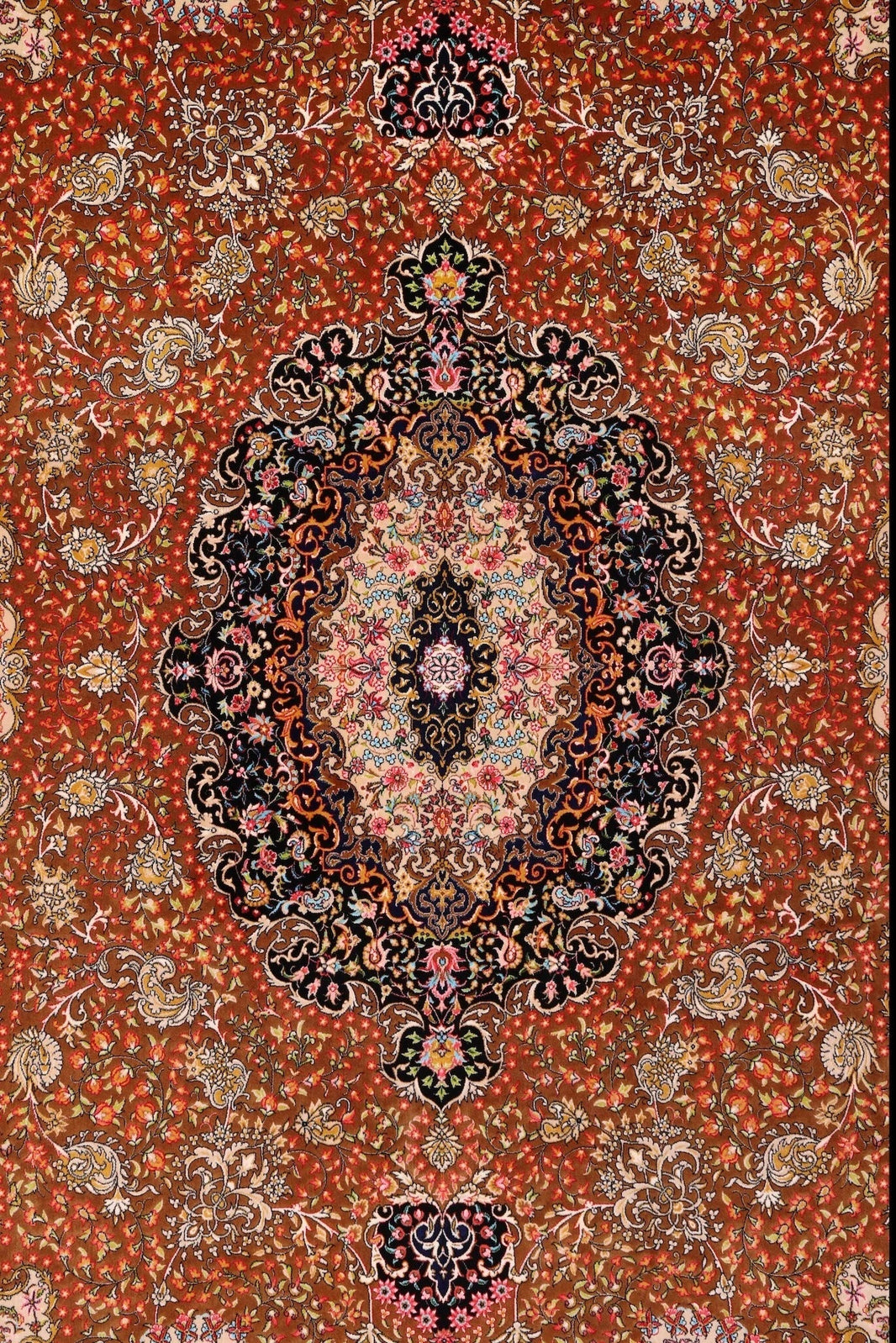
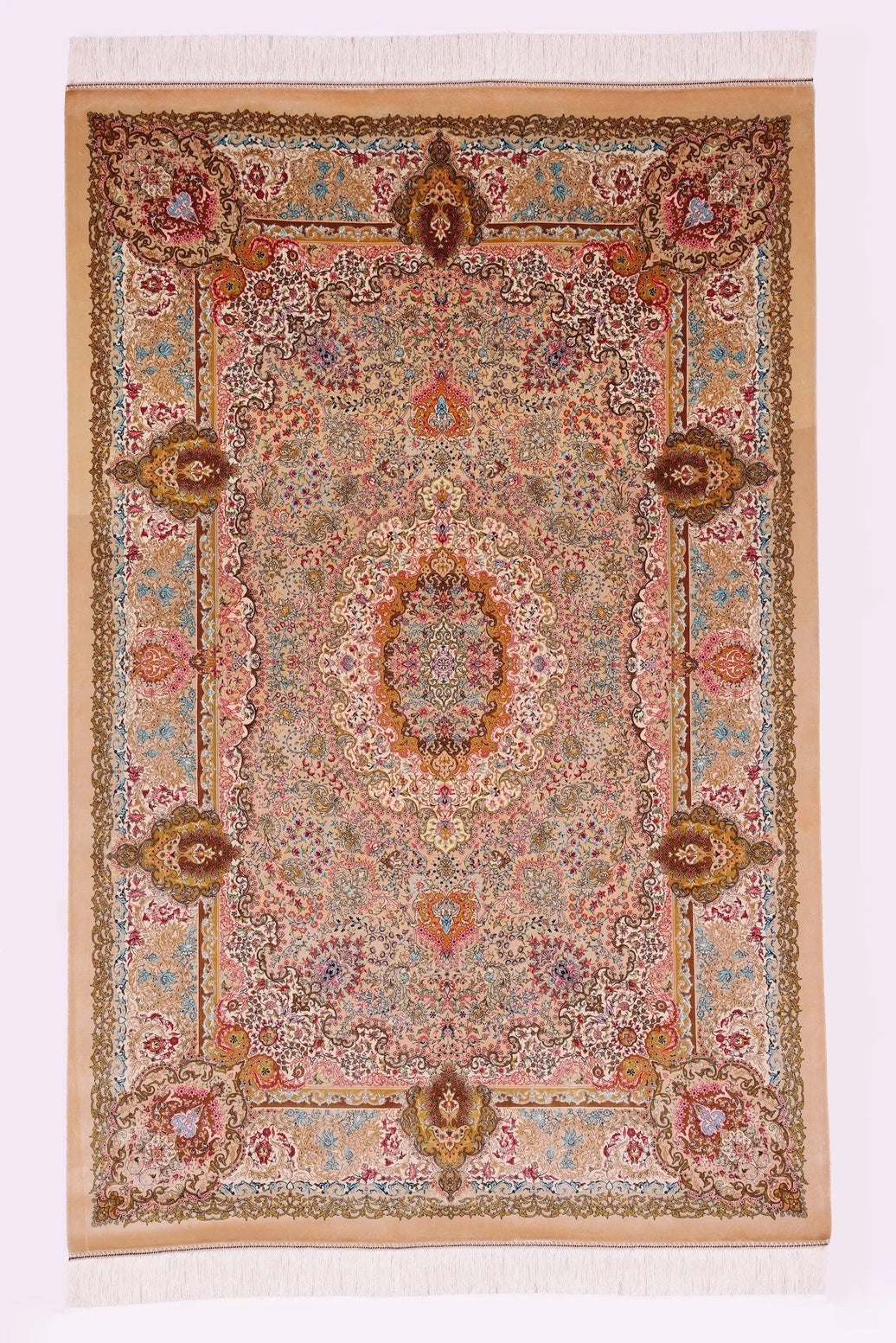
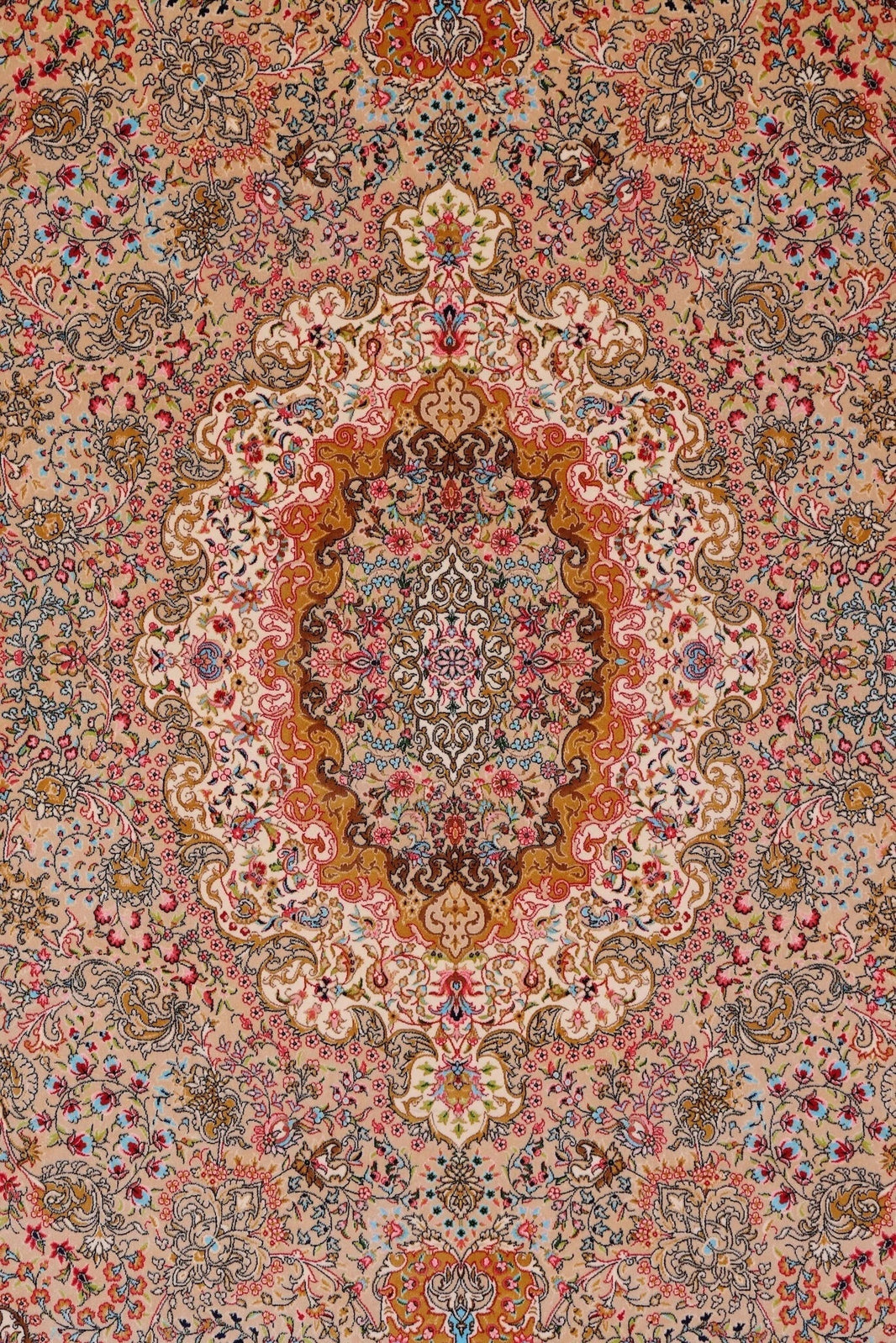
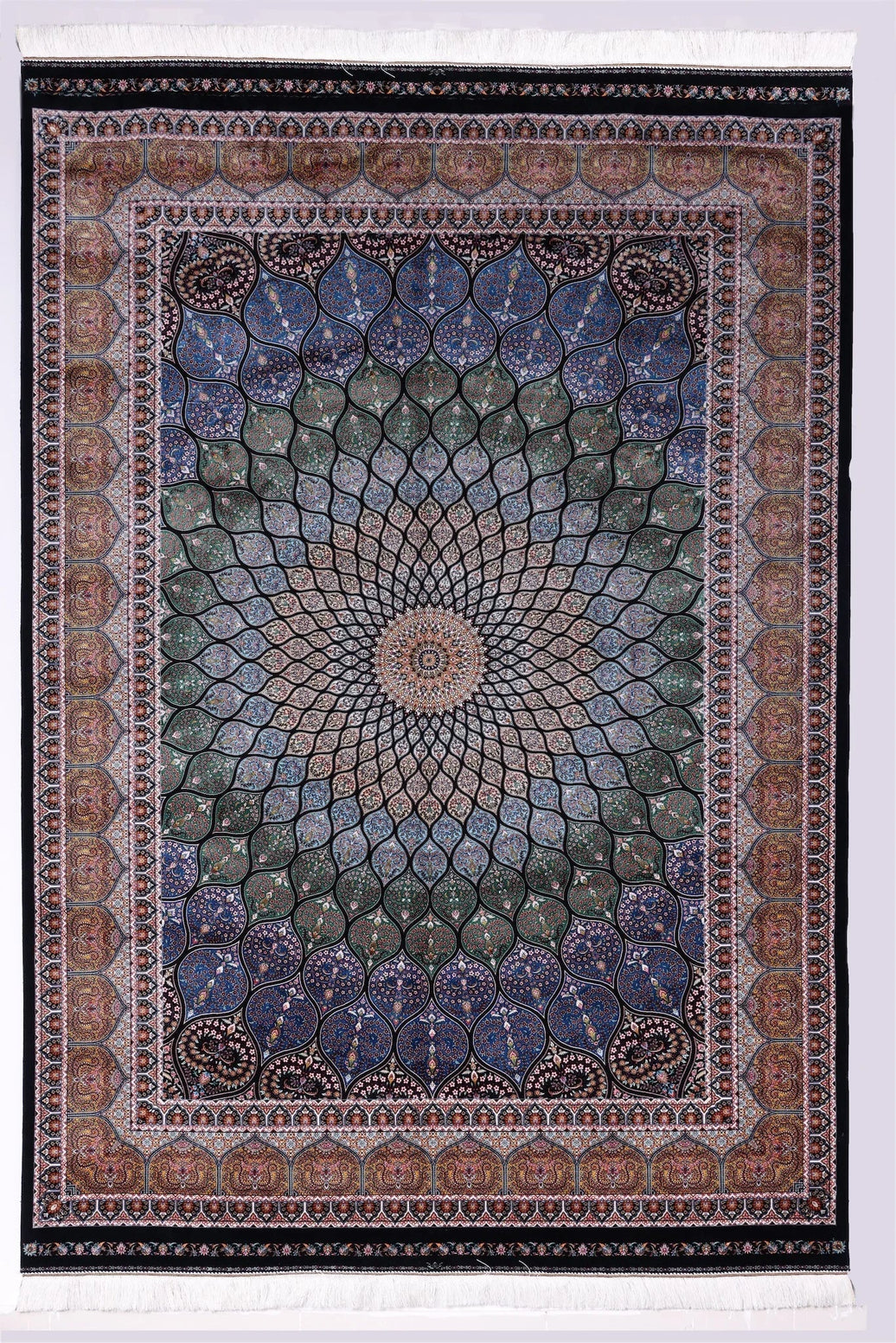
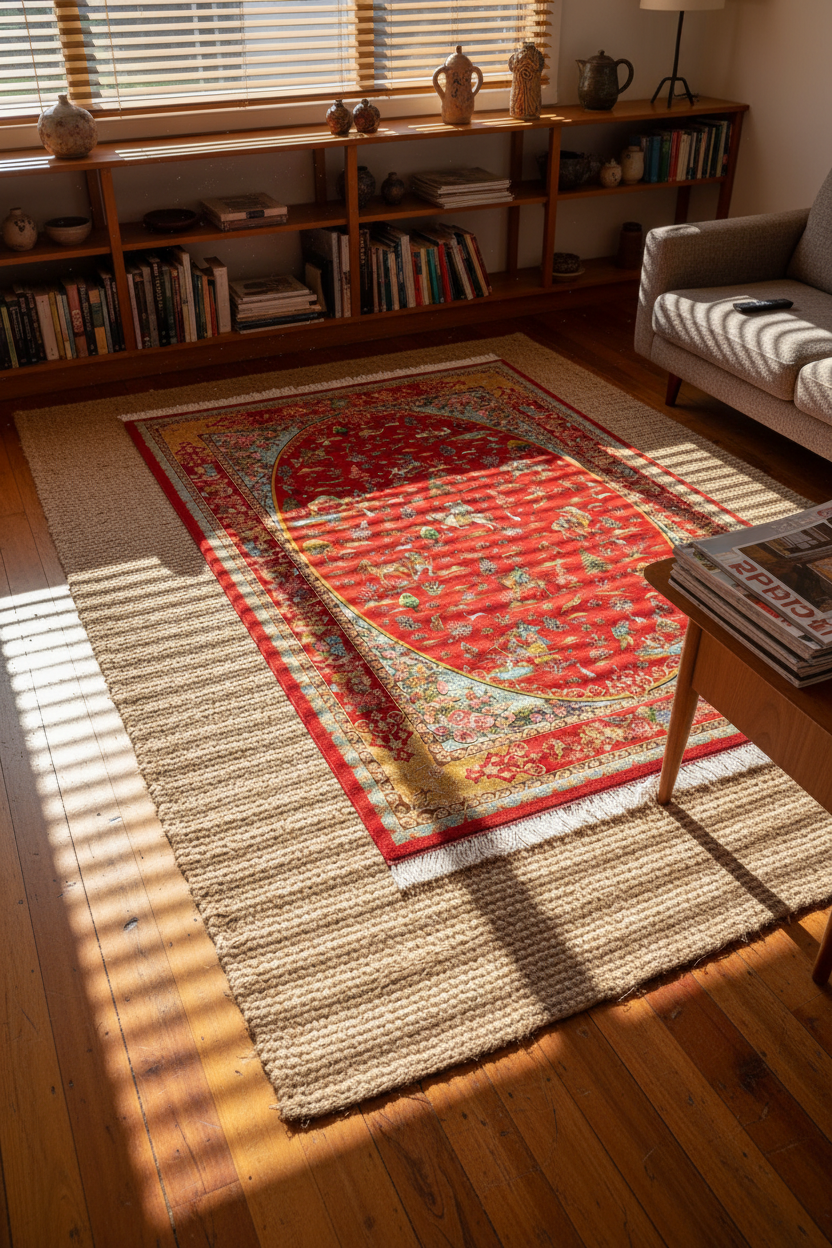
Textiles are where layering becomes tactile. Heavy linen curtains that pool slightly at the floor. A throw with weight. And beneath everything, anchoring the seating arrangement, defining the room's centre, a rug with enough visual complexity to hold its own against the architecture. The Ahoo in Red does exactly this. Its deep crimson field and layered Persian medallion pattern carry the same geometric confidence as Victorian plasterwork, without mimicking it. The room finds its centre. Everything else follows.
Layering is also about permission. Permission for art books to stack beside the sofa. Permission for a candle to melt unevenly on the mantel. Permission for vinyl records and reading glasses and a half-finished glass of something. The Victorian living room breathes best when personal objects coexist with the architecture rather than defer to it.
Light in a Victorian Terrace Is the Real Interior Designer
No paint colour defines a Victorian living room the way its light does. Tall windows with deep reveals. Afternoon sun entering at an angle, catching the plaster relief and throwing long shadows across the floor. Morning light, filtered and cool, turning the timber boards blue-grey before the room warms into itself.
This is directional, dramatic light. It changes the room hour by hour, season by season. It is the quality that makes Victorian terrace living rooms feel cinematic, not because they are staged, but because the light does the staging.
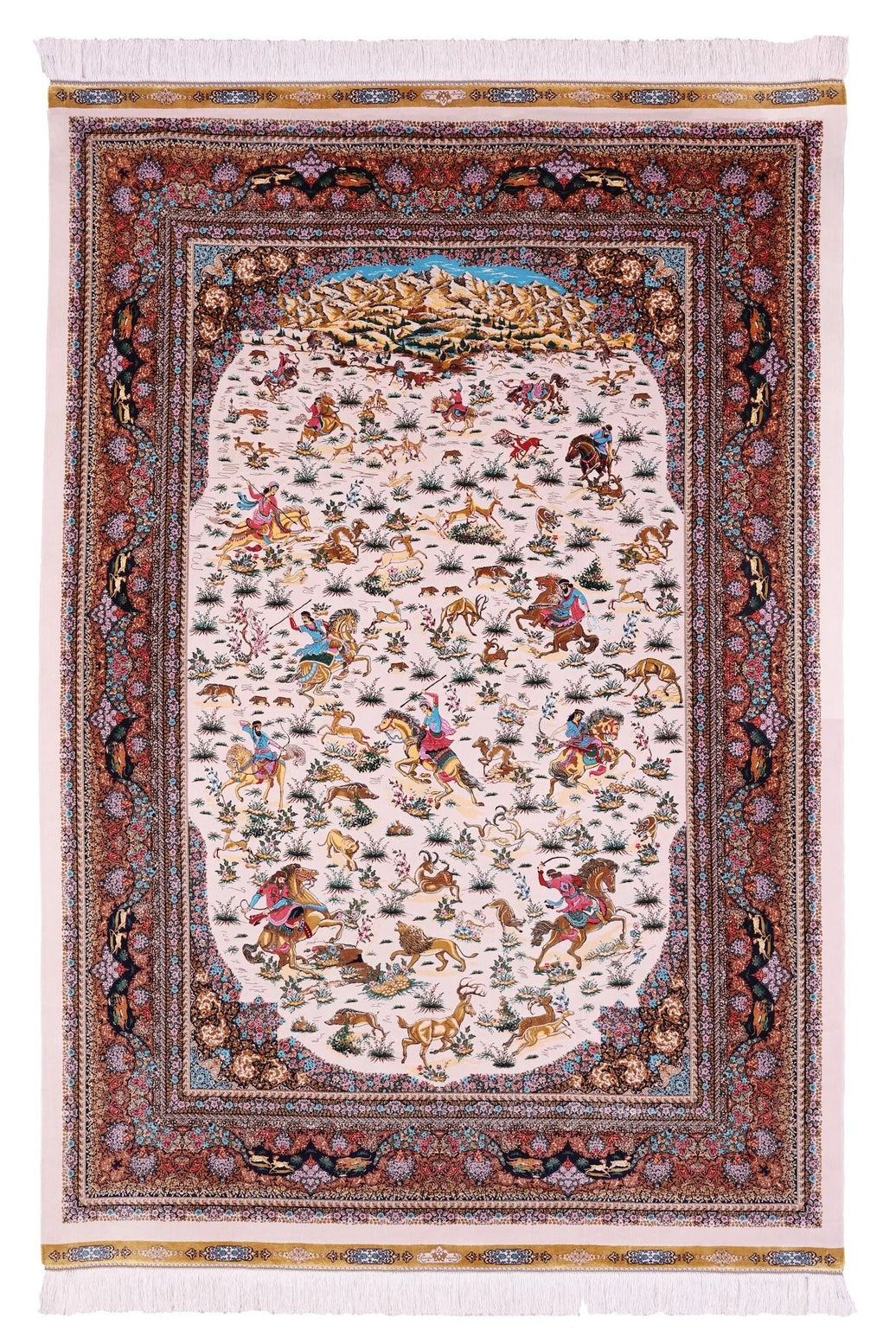
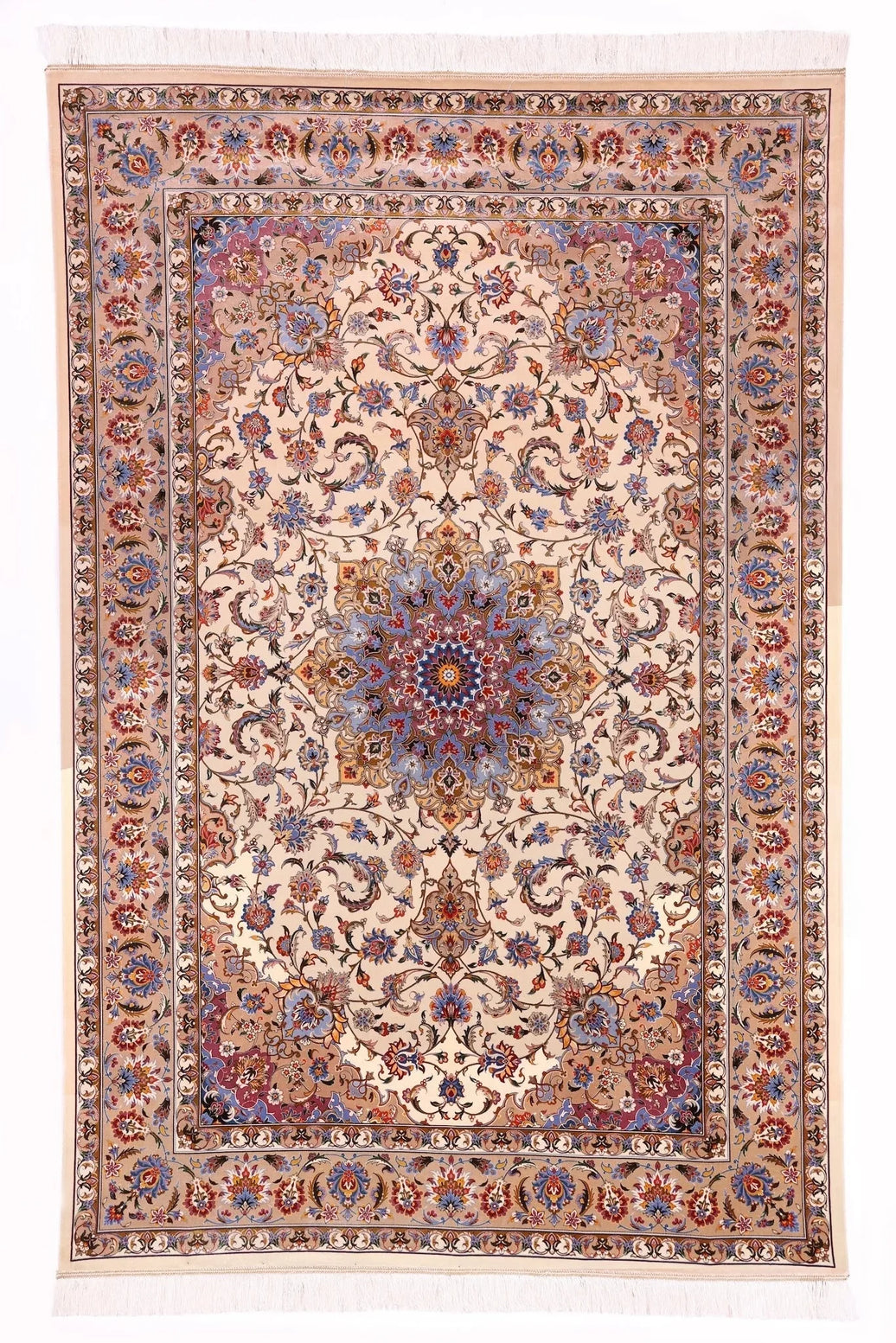
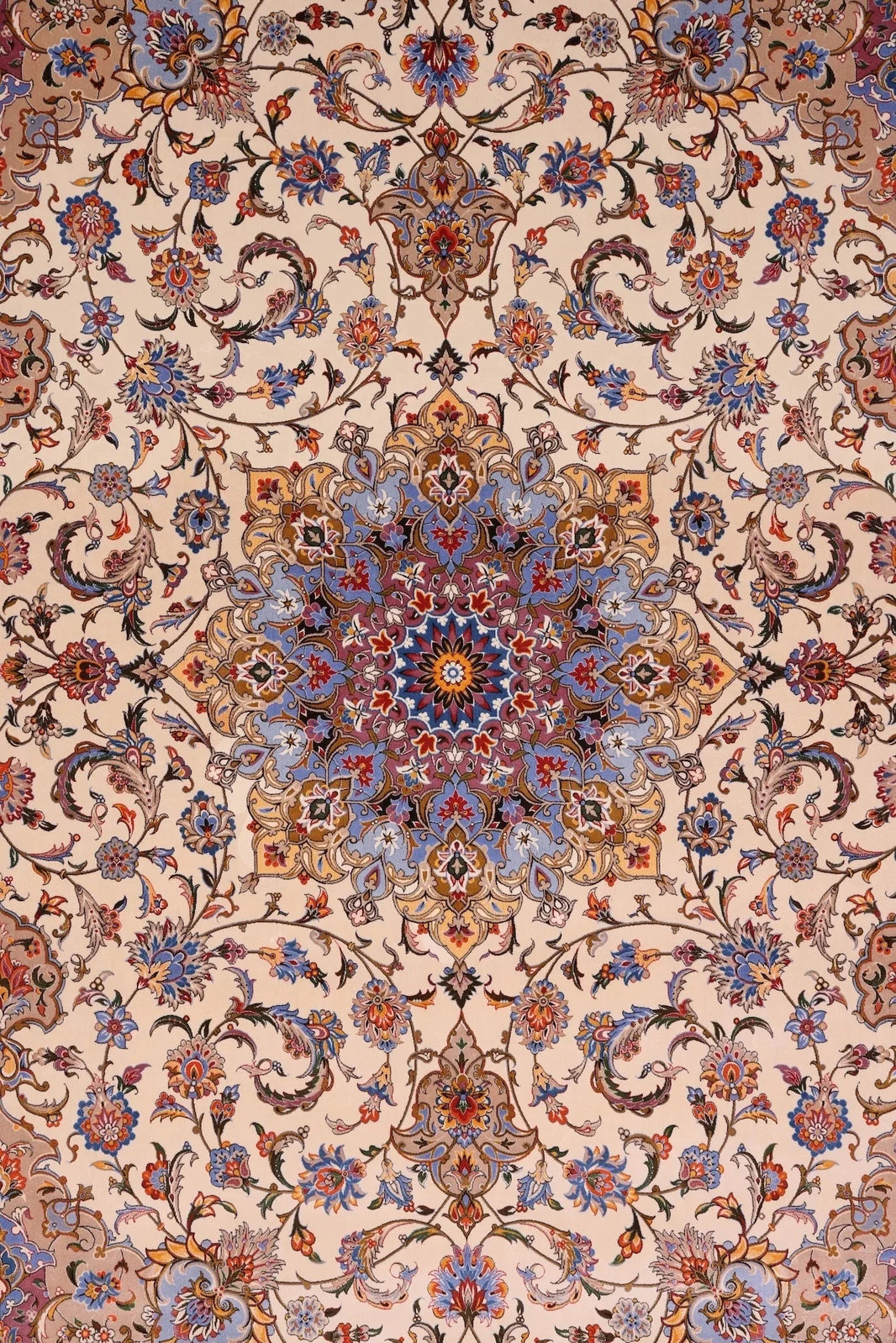
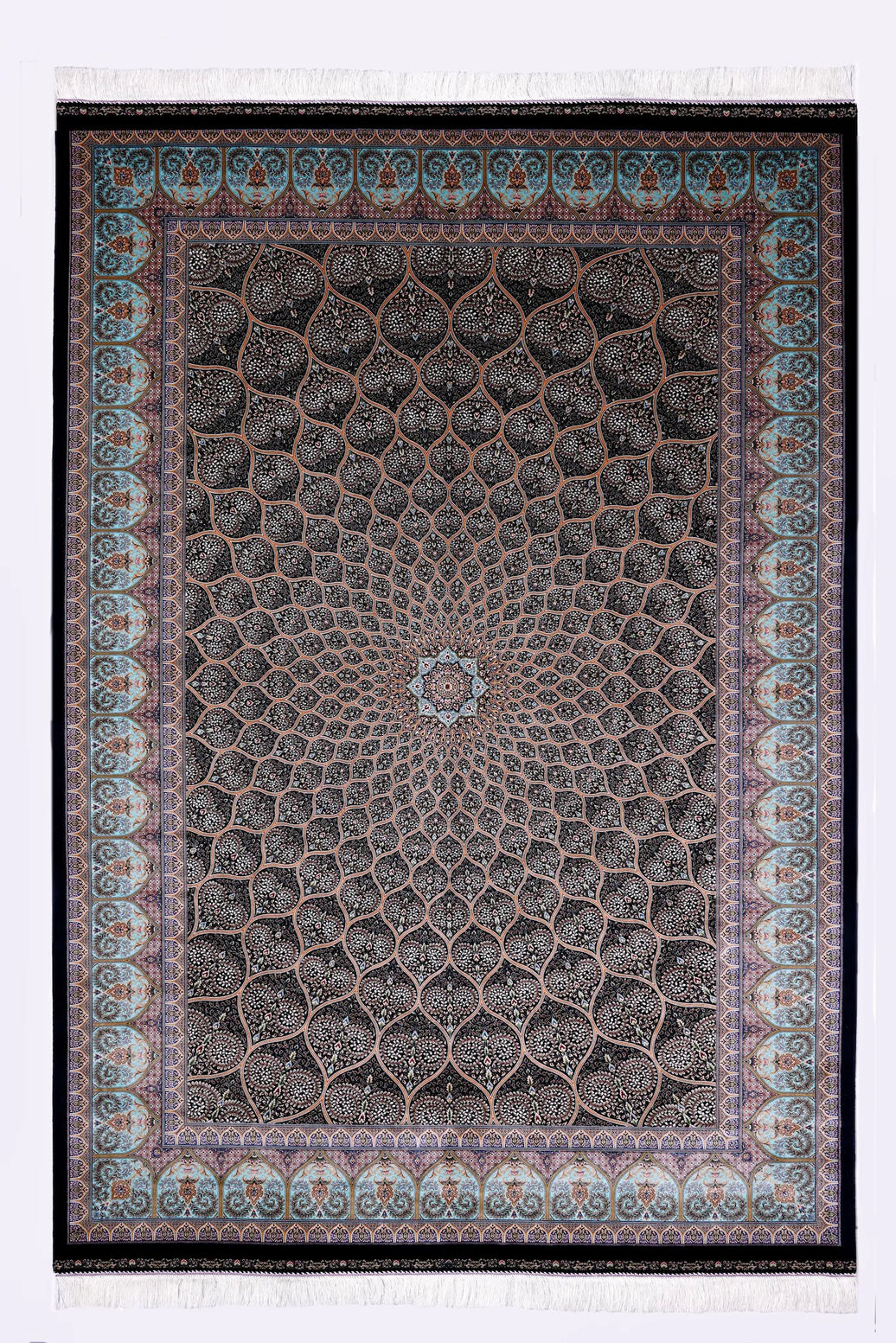
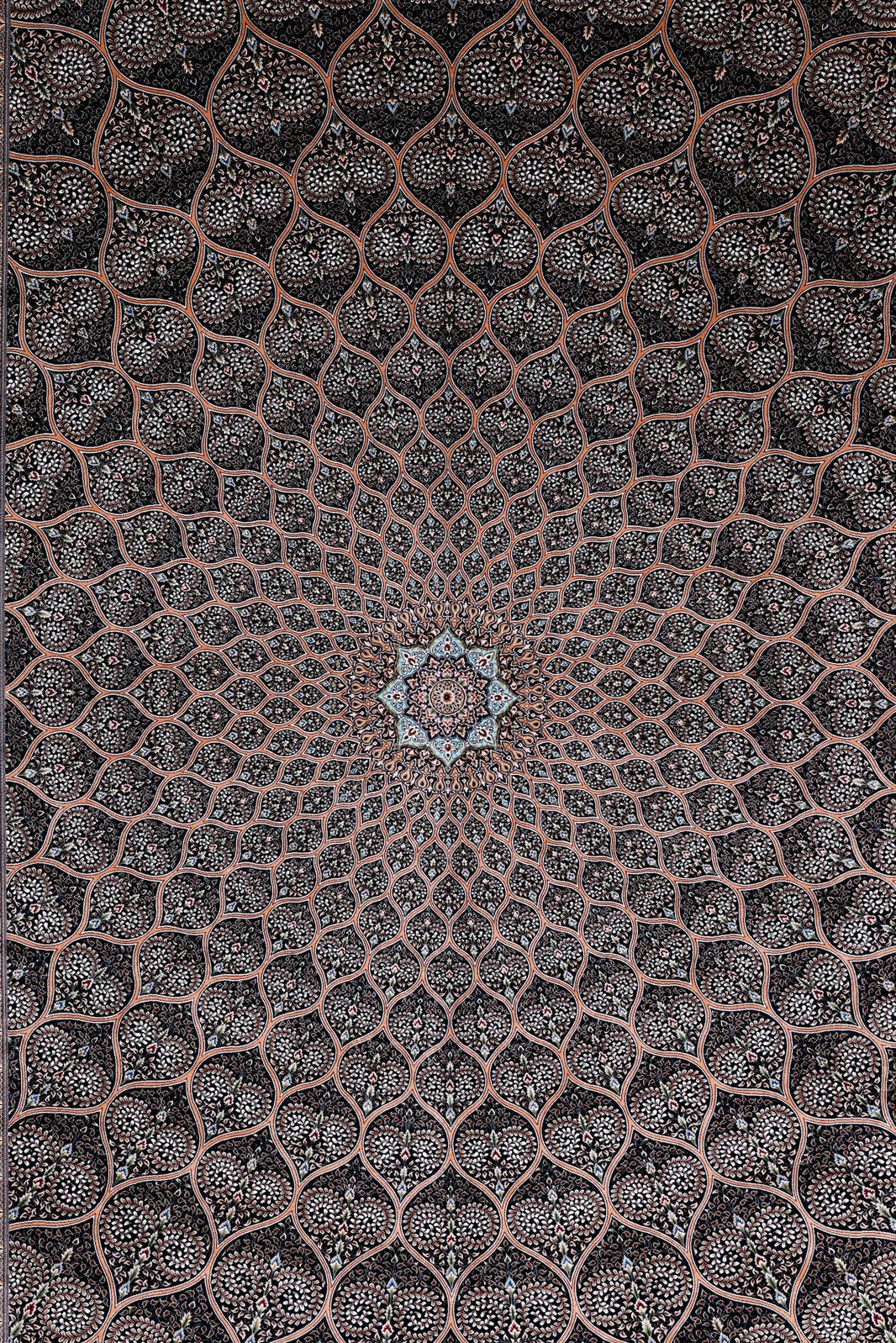
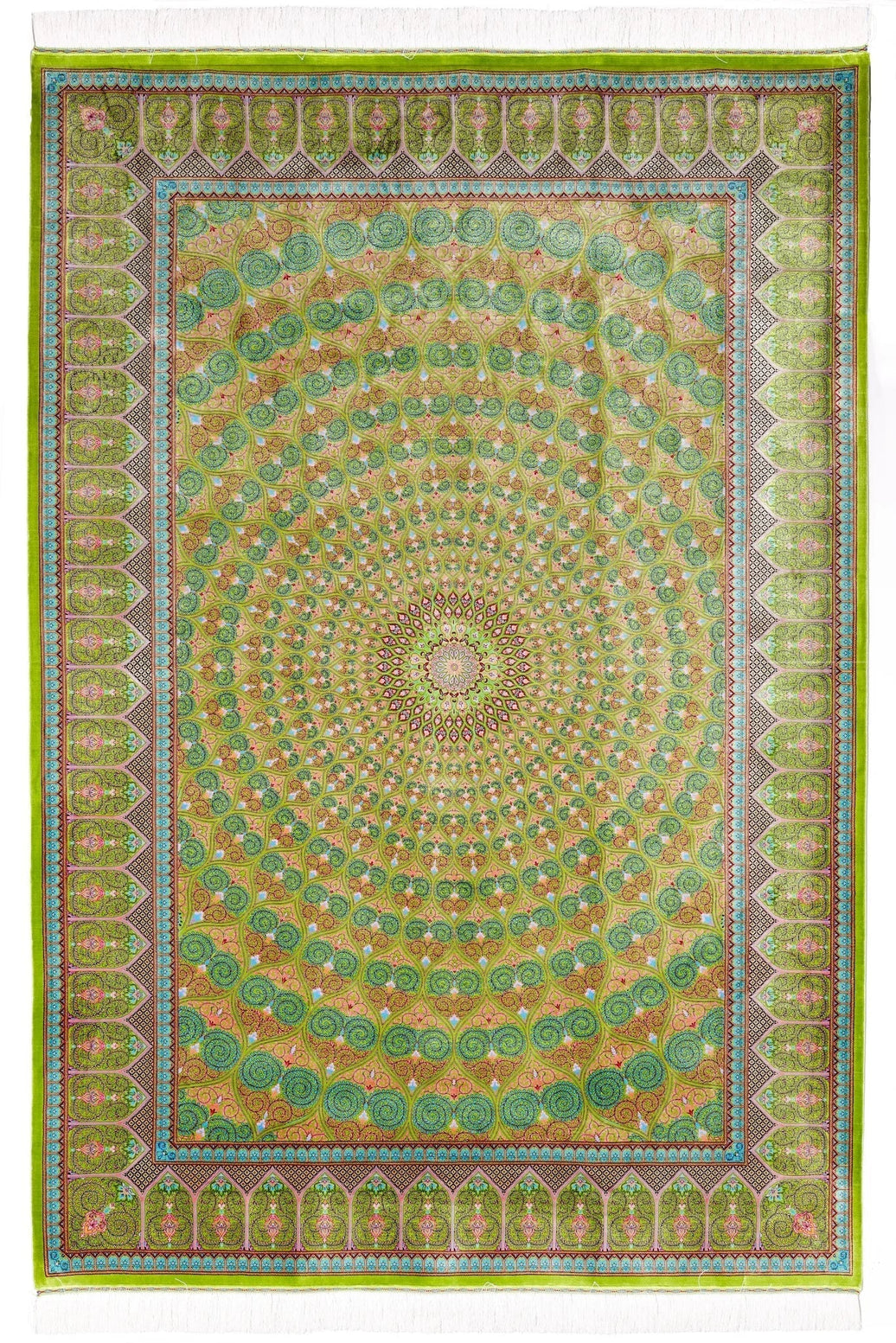
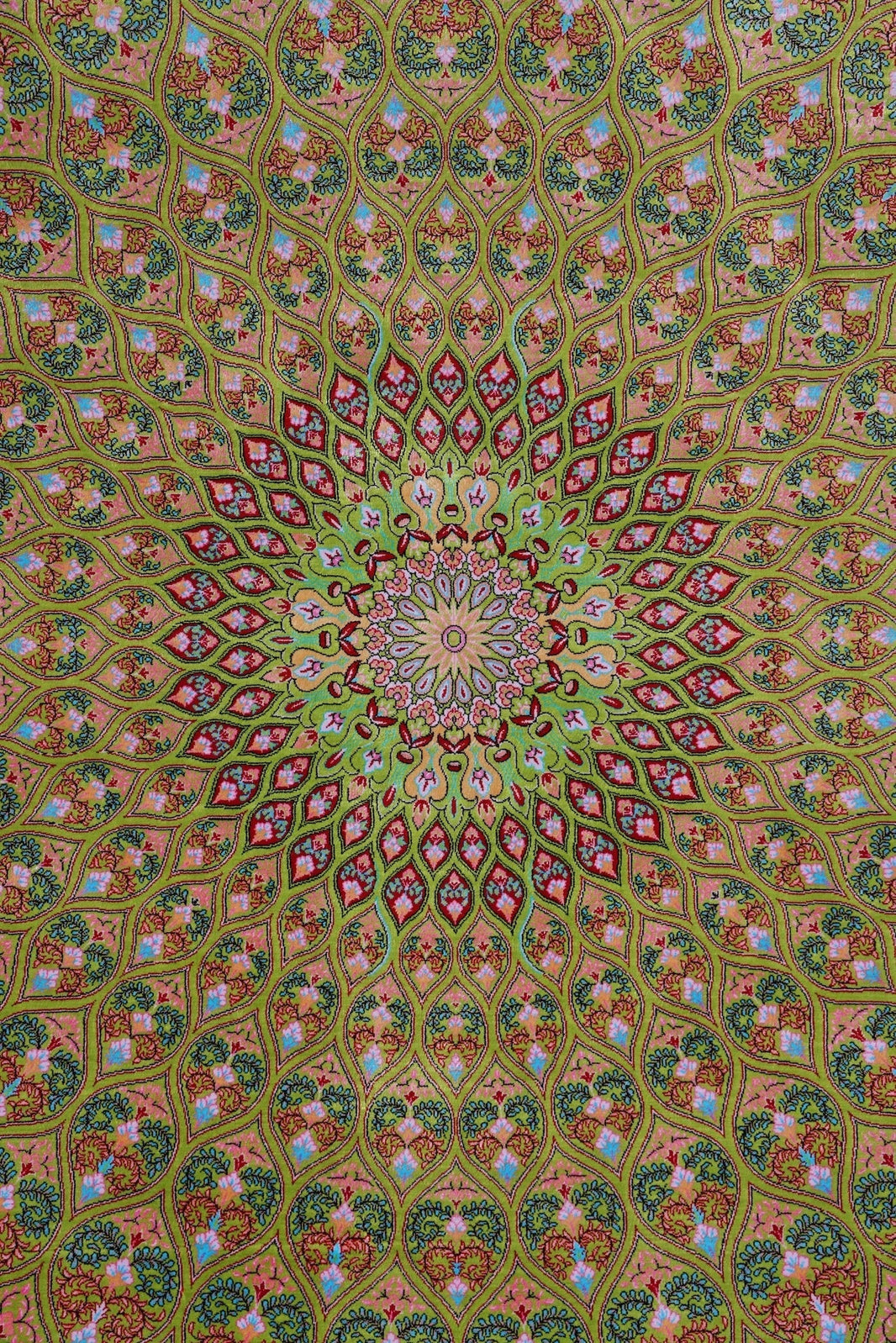
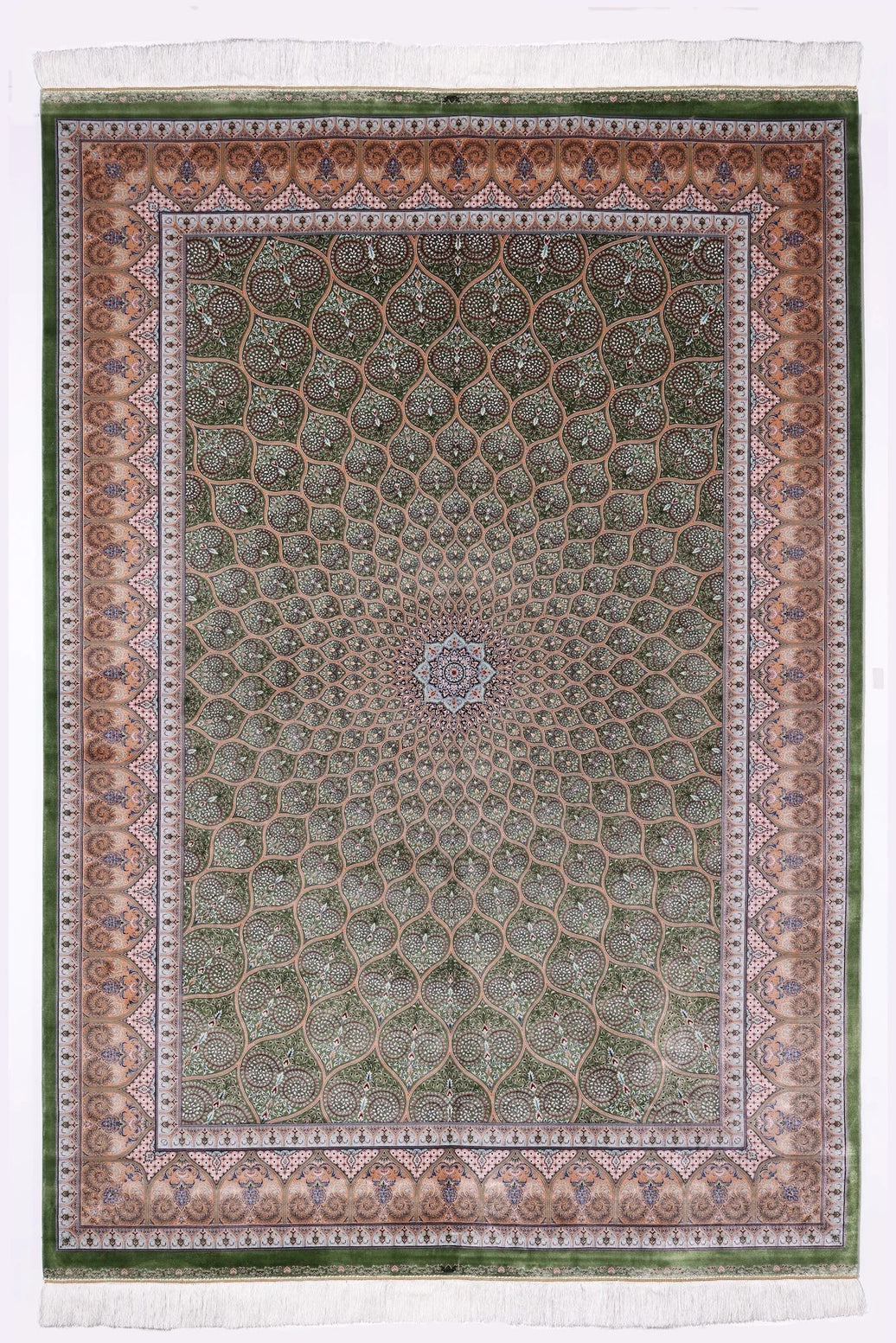
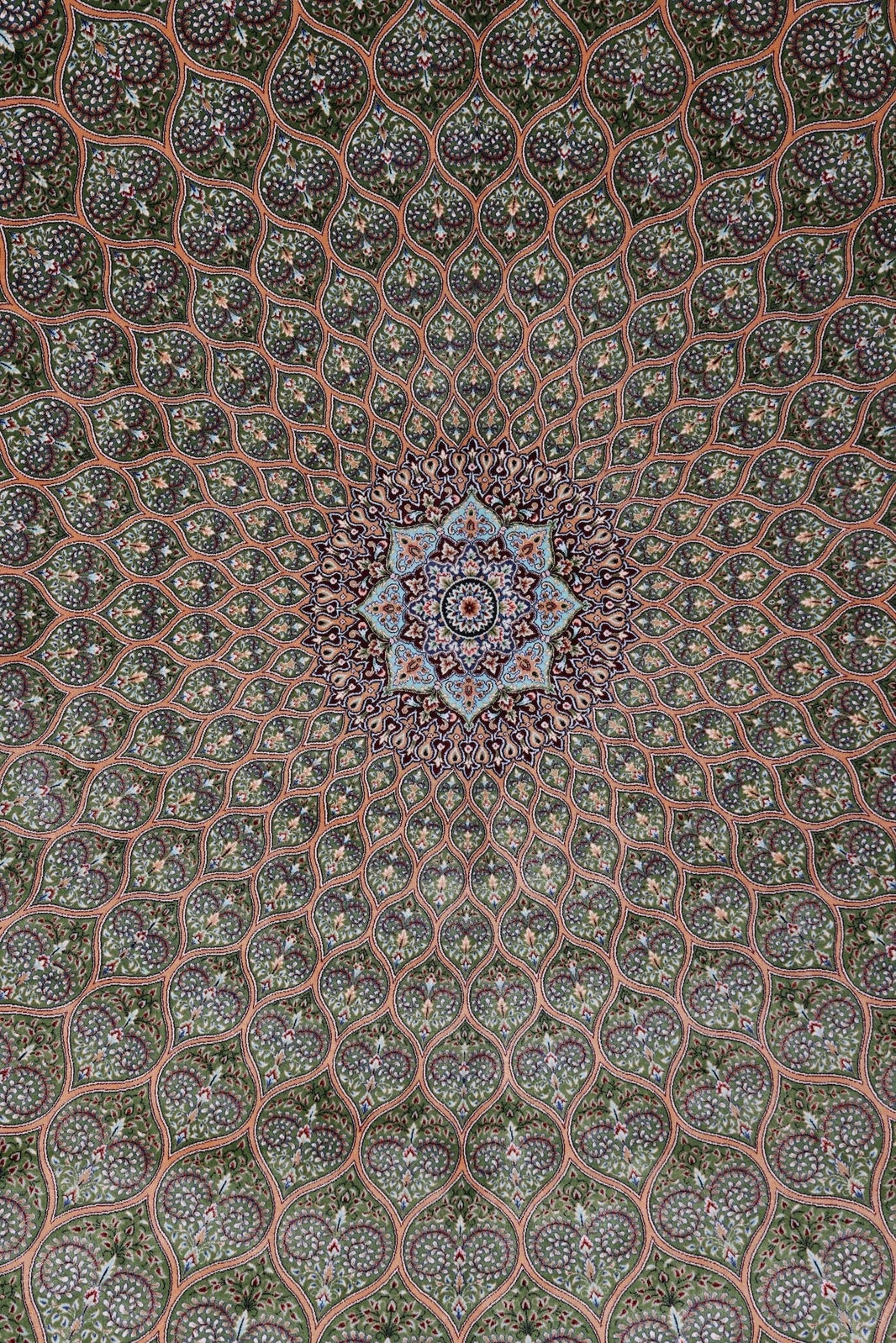
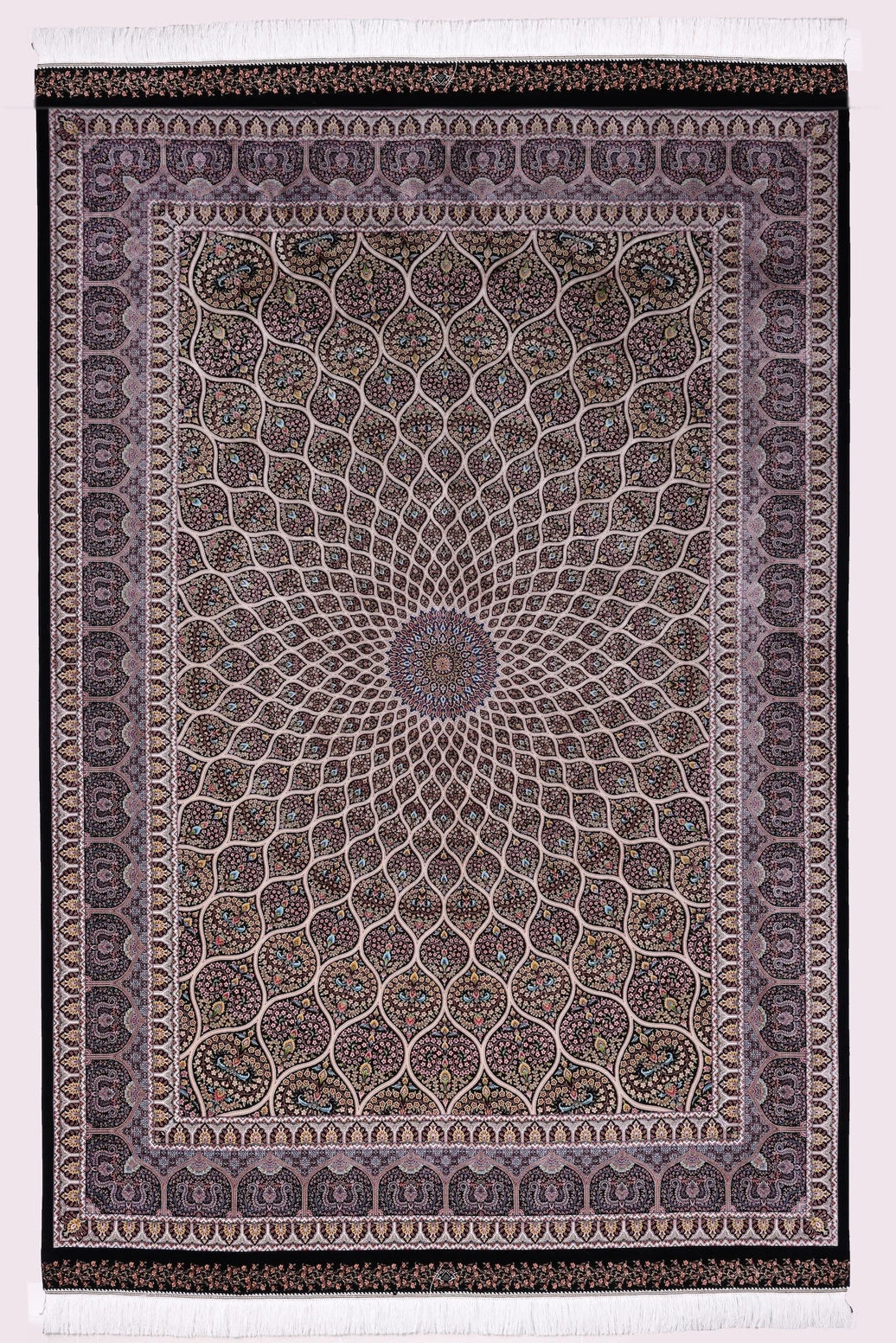
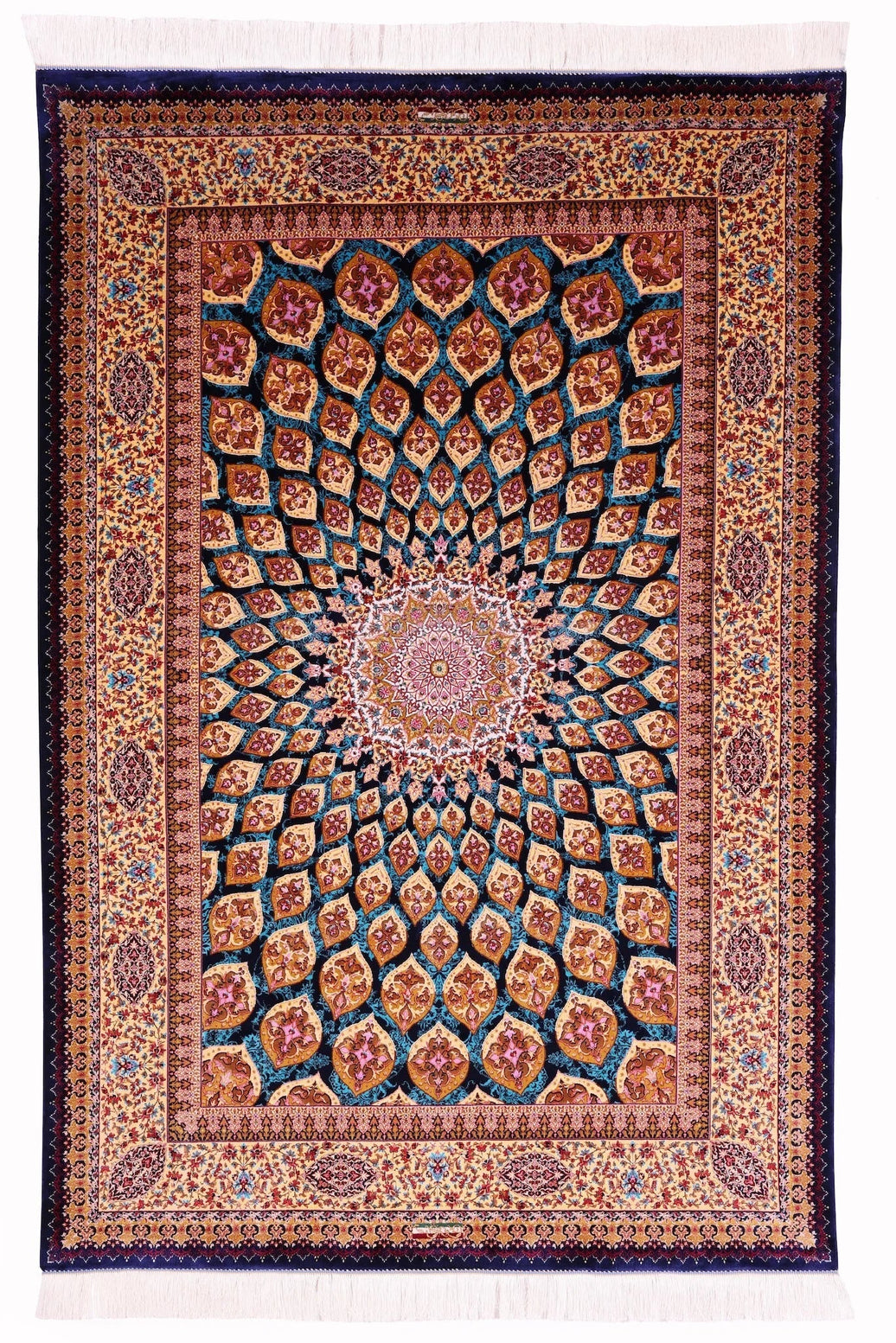
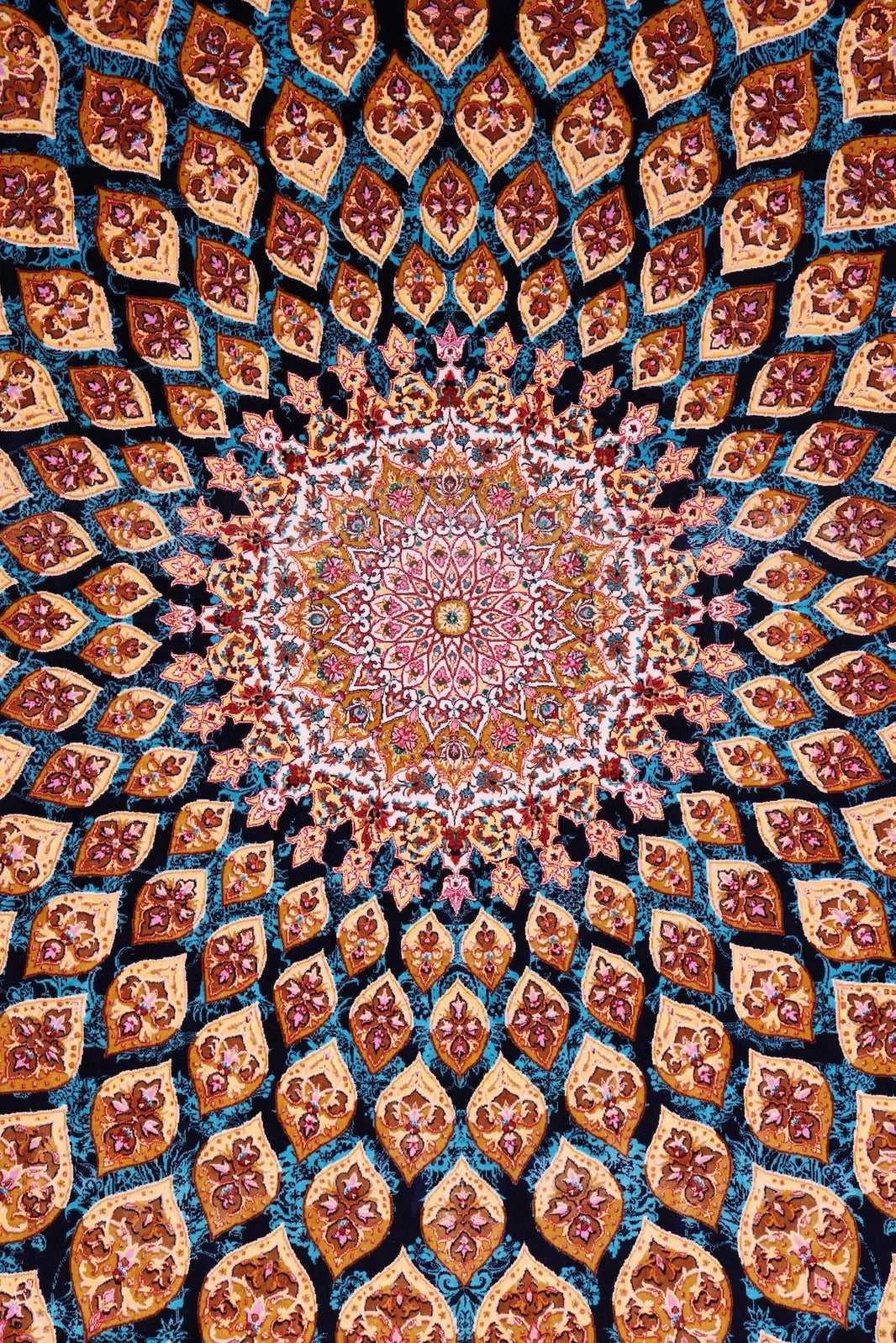
The right rug responds to that light. The Char Bagh is built for rooms like this. Its formal garden pattern, drawn from the Persian tradition of the chahar bagh, the four-fold paradise garden, shifts in afternoon sun, the silk-like pile catching light differently depending on the angle. In the morning, it reads as muted and considered. By late afternoon, it glows. The rug is not a static object. It participates in the room's light the way good architecture does.
When choosing a rug for a Victorian living room, look for depth of colour and pattern complexity. Flat, uniform tones disappear in this kind of light. Pattern and pile catch it, hold it, return it differently. That dynamic quality is what makes a rug feel like it belongs rather than sits.
Personal Objects and Persian Pattern: A Shared Language
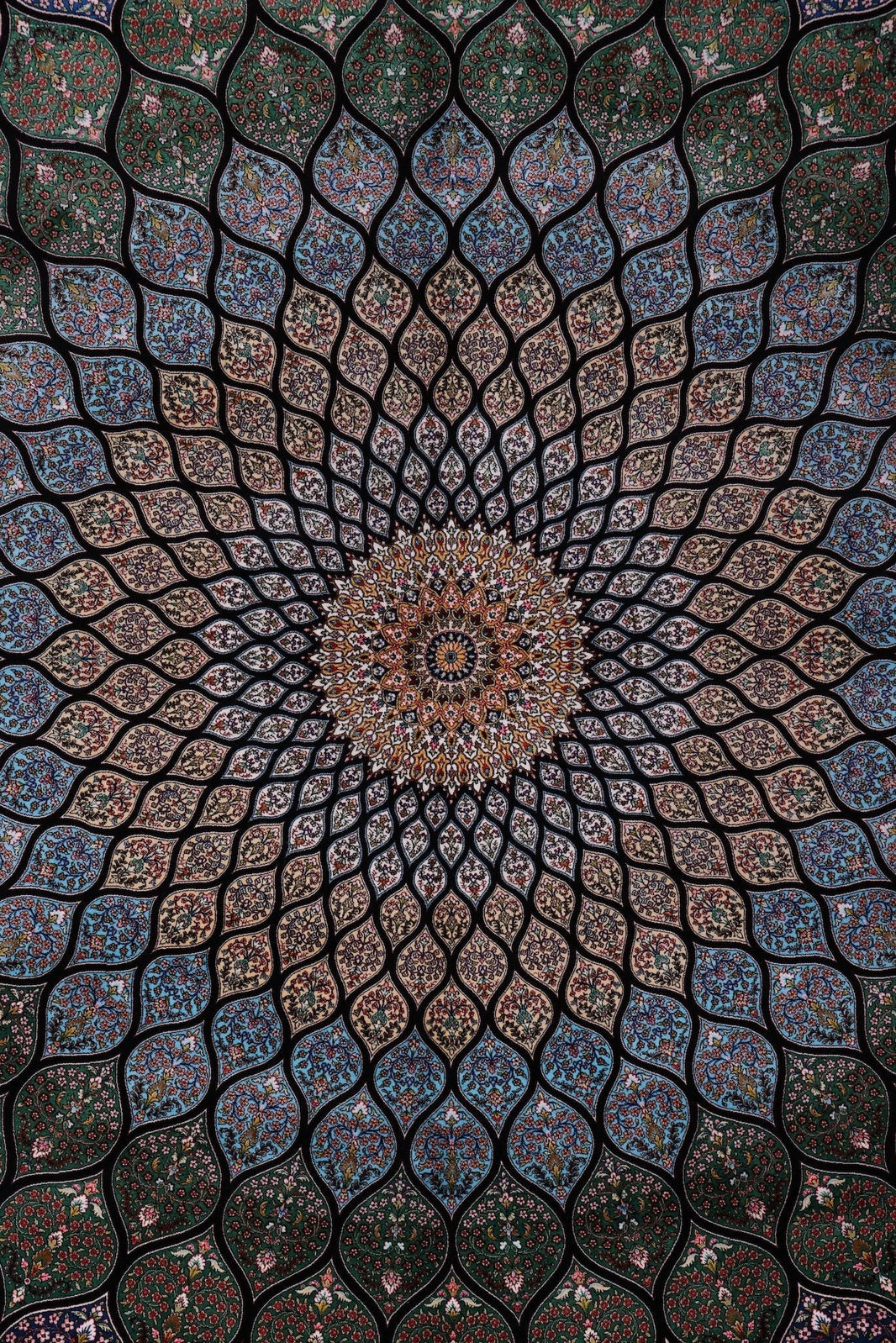
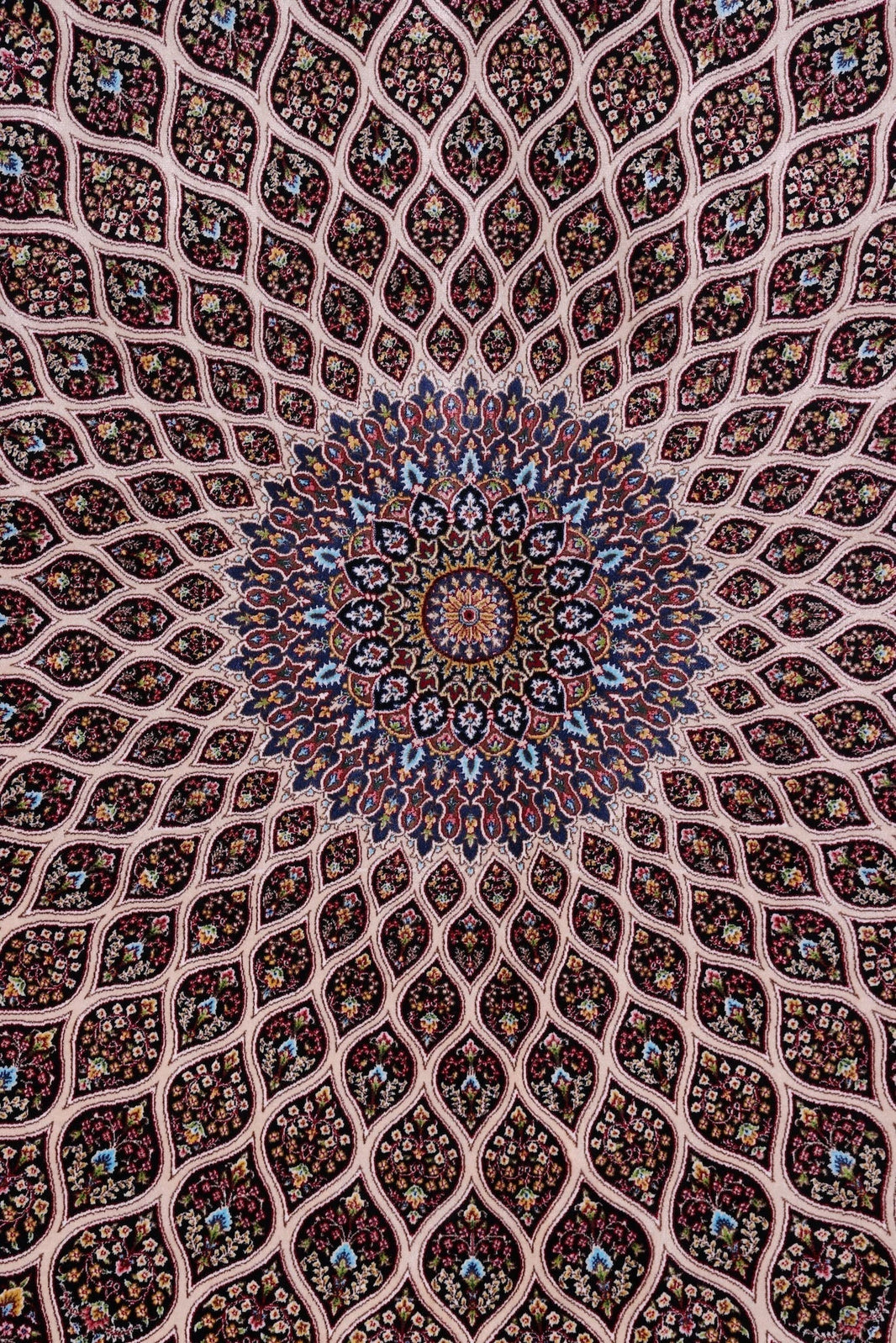
Persian rug design is not decorative in the incidental sense. It is geometric, mathematical, symbolic. The medallion at the centre of a Persian rug is not an ornament, it is a cosmological reference, a representation of order emanating outward from a central point. The borders contain the pattern the way a room contains a life. The repetition is intentional. The density is the point.
Victorian architecture speaks the same language. Its cornicing is not frivolous. Its tiling is not accidental. Every repeated motif in a Victorian terrace is a statement of precision and permanence, the same values that shaped centuries of Persian artistry. When a Persian-patterned rug enters a Victorian living room, the connection is not stylistic coincidence. It is two traditions recognising each other.
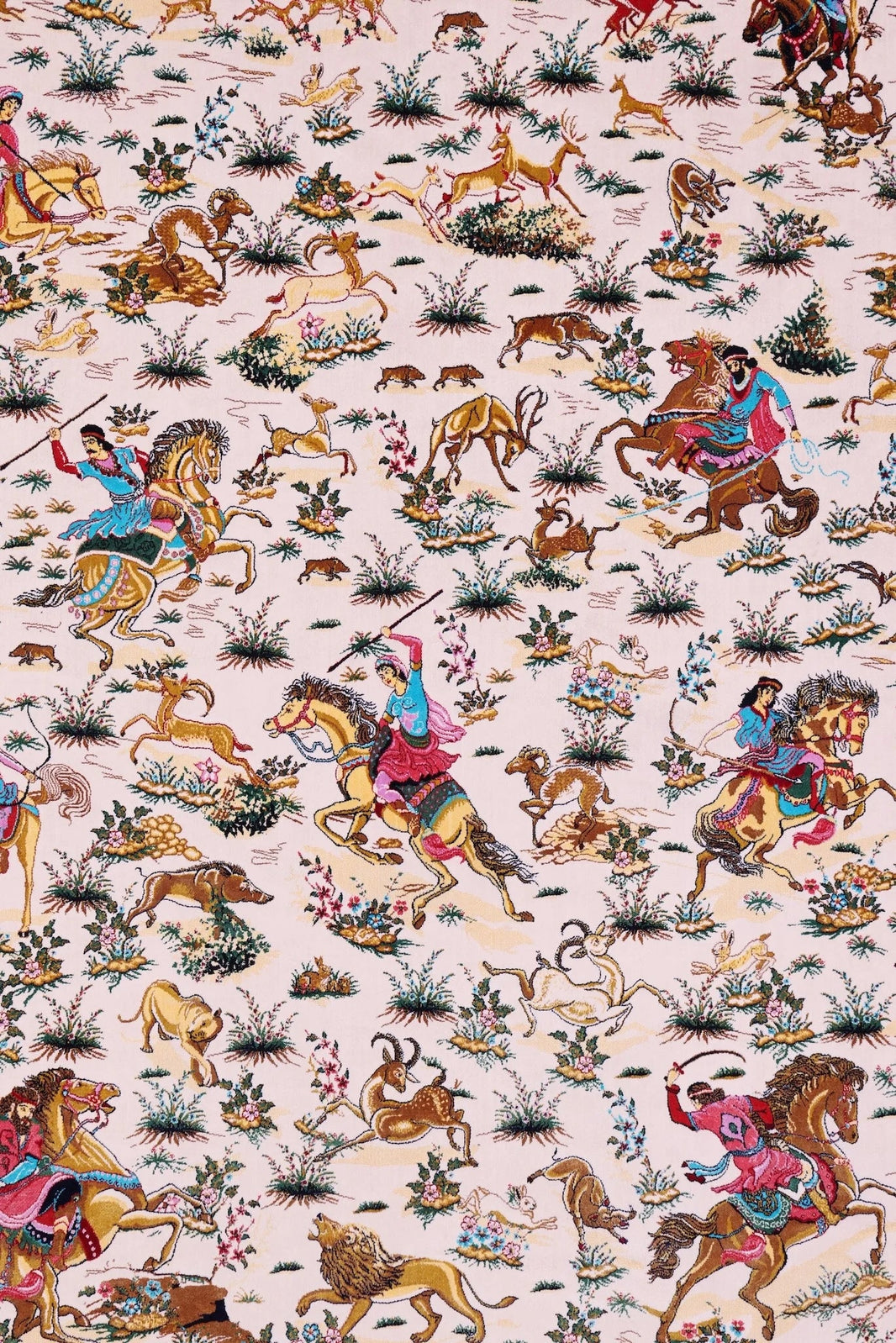
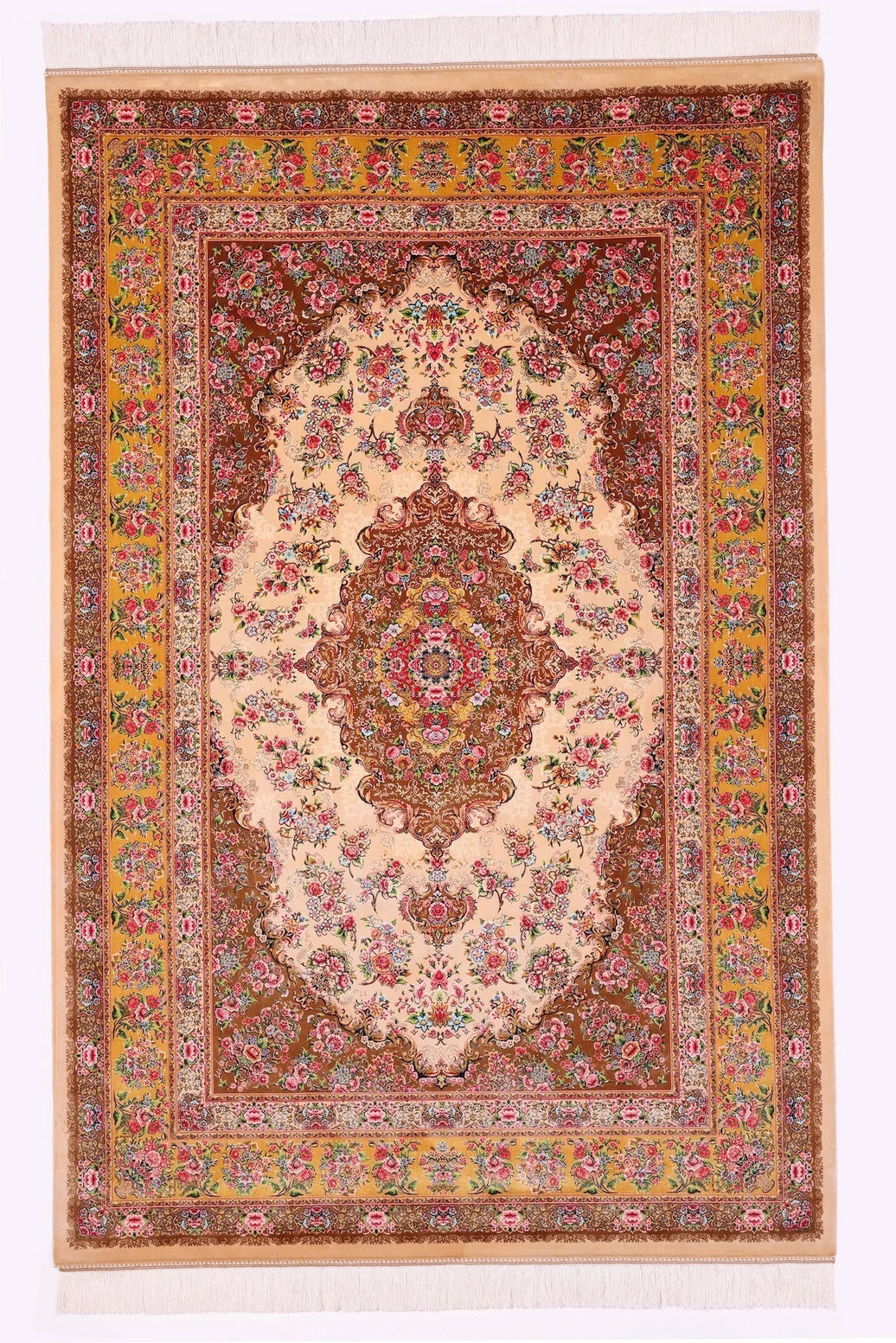
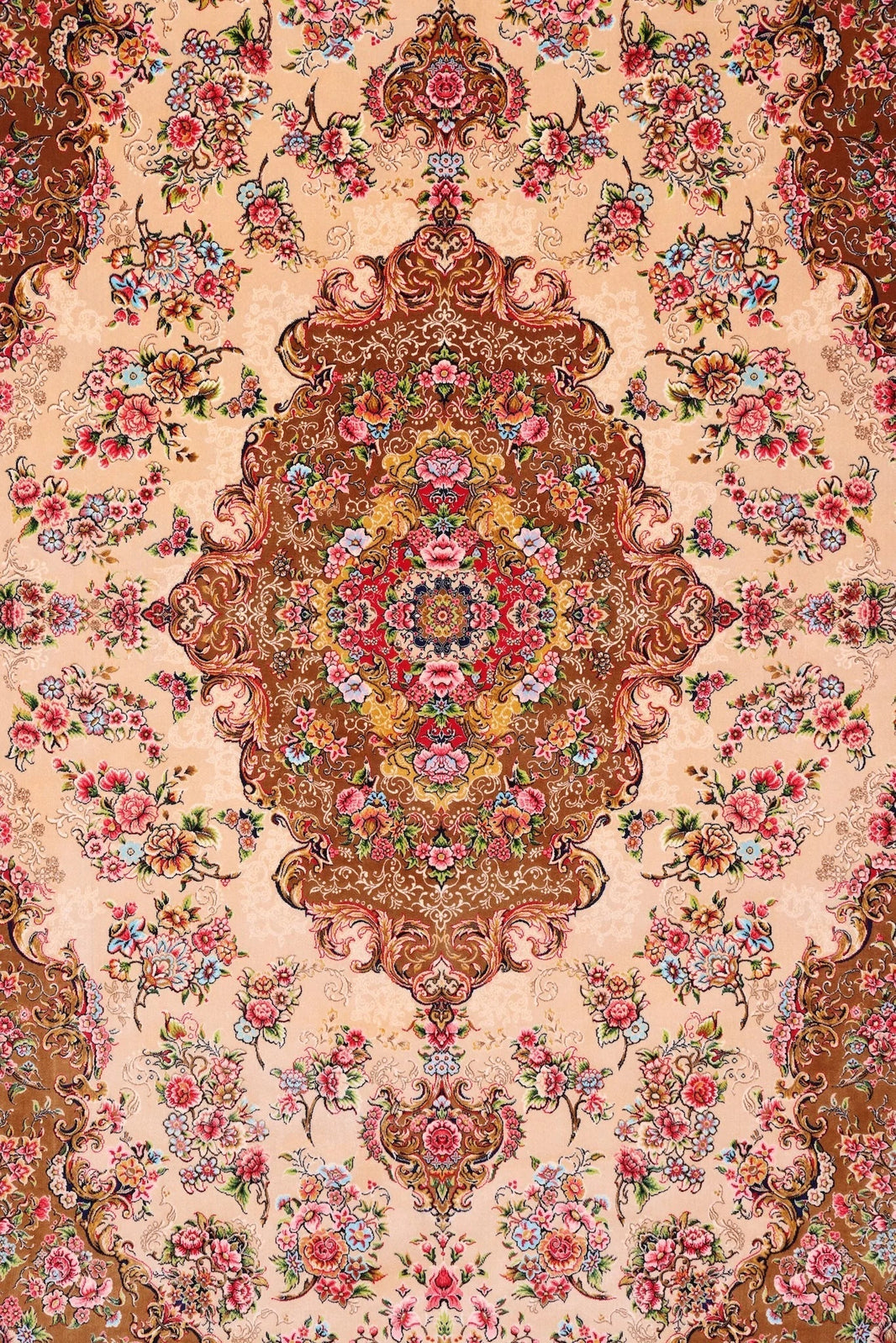
The Arghavan brings that recognition into a softer register. Its flowing botanical forms and muted jewel tones carry Persian heritage with a quieter confidence, appropriate for Victorian living rooms where the architecture already makes a strong statement and the rug's role is to complement rather than compete. Personal objects, art books, a favourite ceramic, a lamp with a hand-tied shade, can coexist with this rug without the room tipping into excess.
The Sydney Victorian living room at its best is never a museum. It is a room that knows its own history and wears it lightly. The architecture provides the frame. The layering provides the depth. The light provides the drama. And somewhere in the middle of it all, a rug with centuries of craft behind it quietly defines the space, not because it is the loudest thing in the room, but because without it, something essential is missing.
That is the standard worth holding. Not ordinary. Never ordinary.
Visualize this rug in your room →