

The Reading Nook That Asks Nothing of You — Except a Better Rug
Zagrosa · Interior Living
Centuries of Persian artistry, distilled into the one corner of the house that belongs entirely to you.
A chair in a corner is just furniture. Add the right rug beneath it, and something shifts — the corner becomes a room within a room, a place with its own gravity and its own silence. The reading nook is one of the most deliberate choices a home can make. The rug beneath it is what makes that choice permanent.
Persian artistry has always understood sanctuary. Centuries of craft produced rugs designed not for grand halls but for intimate human moments — the pause, the stillness, the breath taken between the weight of everything else.
The Rug Is Not the Decoration. It Is the Reason the Corner Works.
Strip a reading nook back to its bones and what remains is a chair, a light source, and the expectation of quiet. The rug is the invisible architecture holding all three together. Without it, the corner floats — present but purposeless, styled but not grounded.
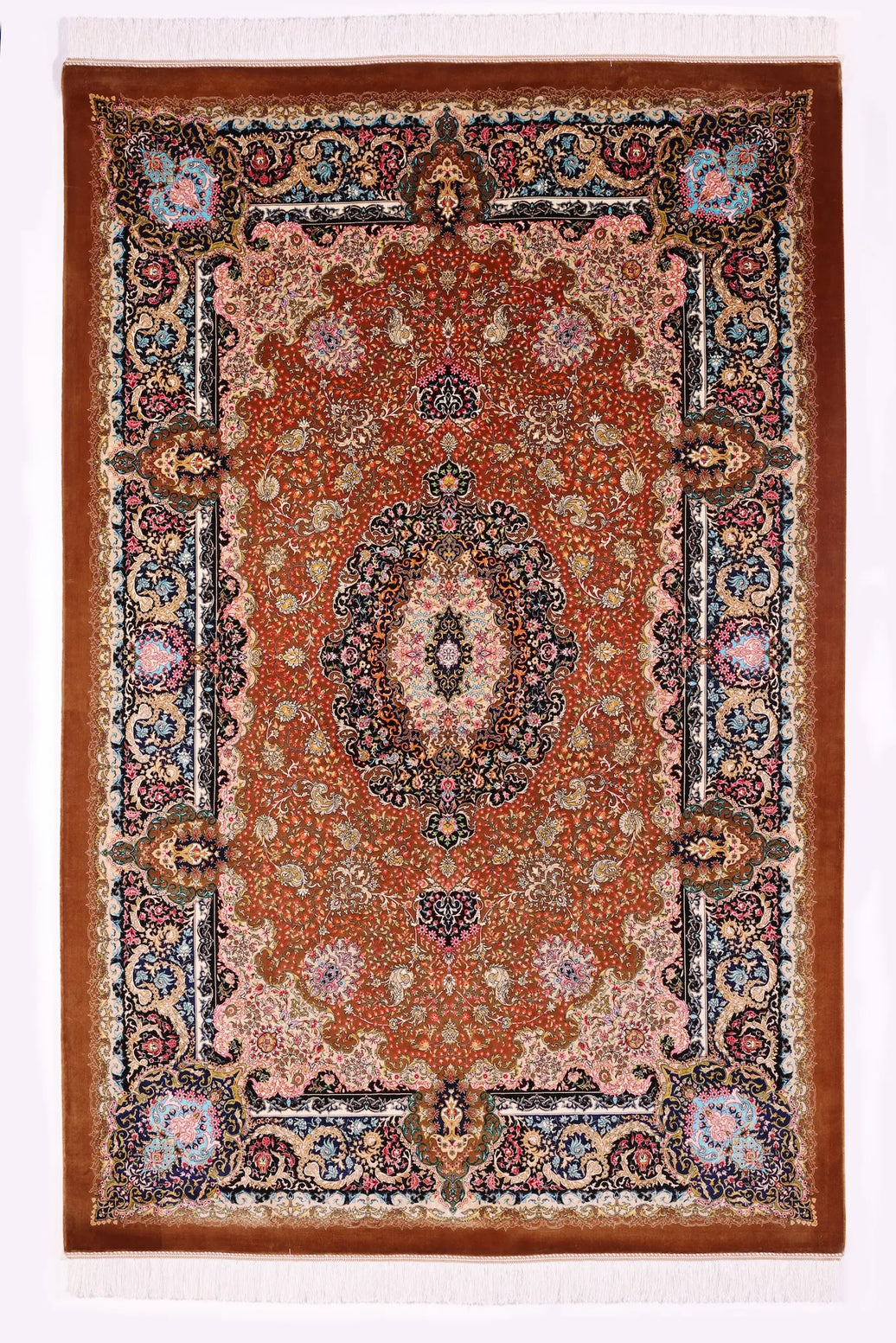
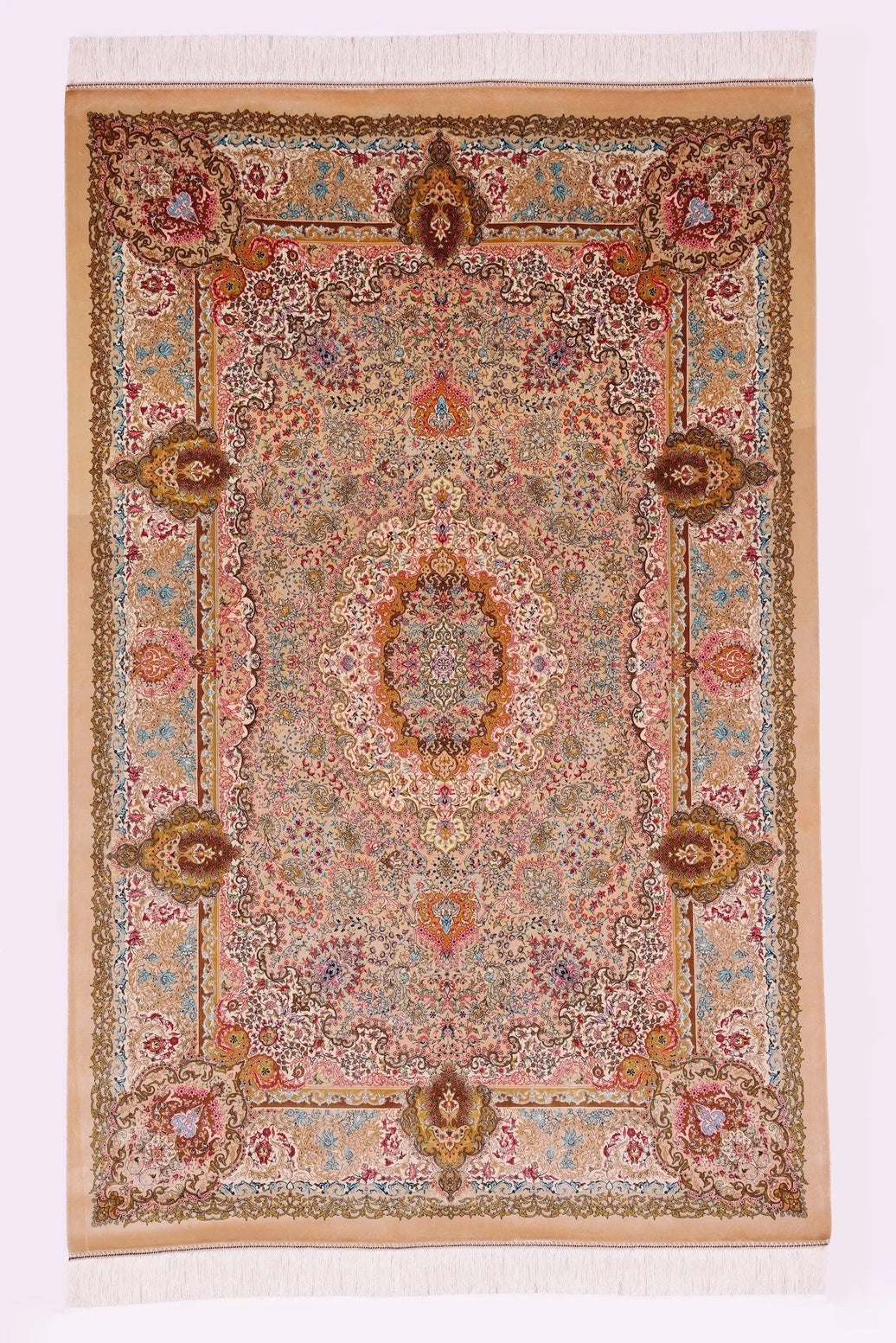
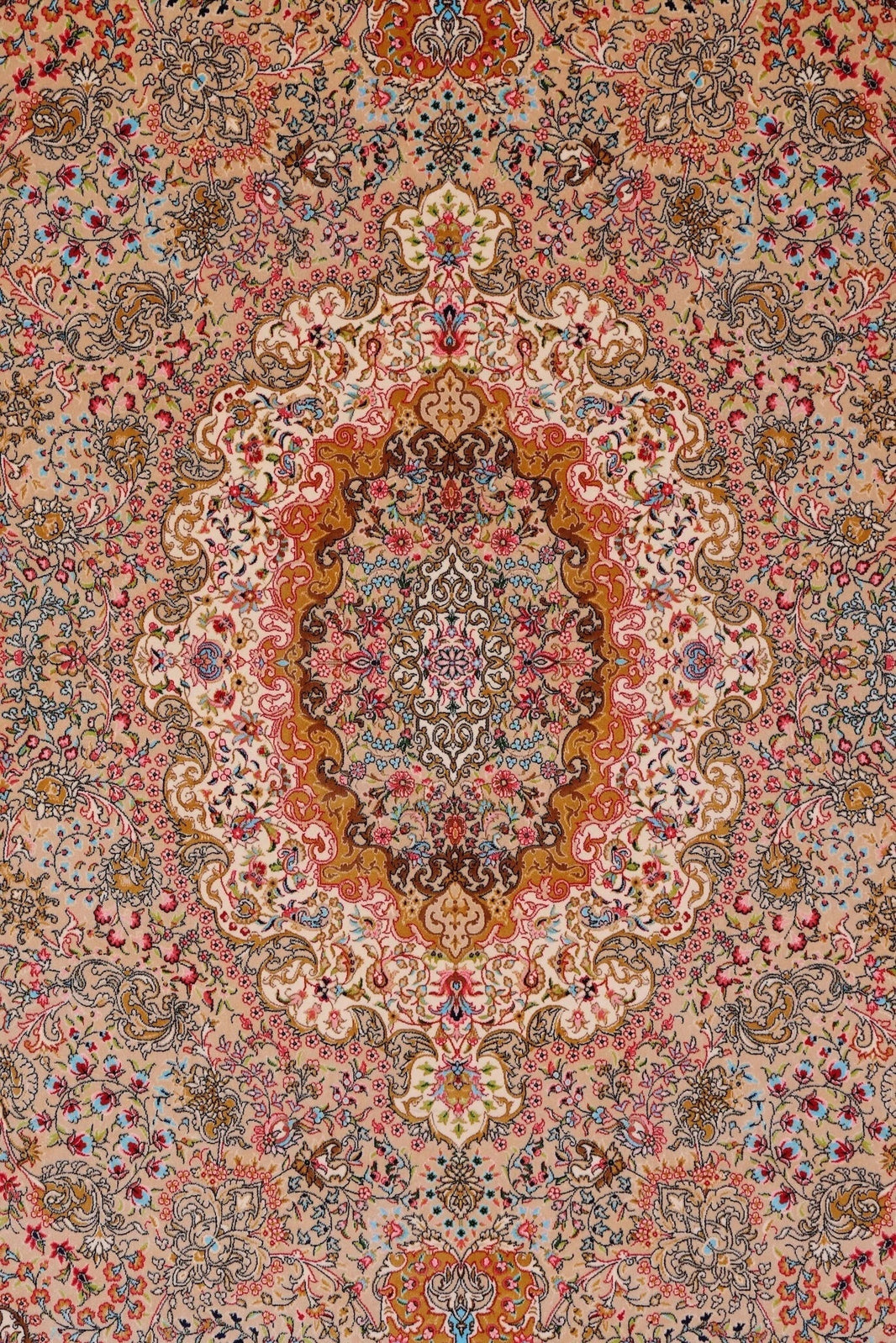
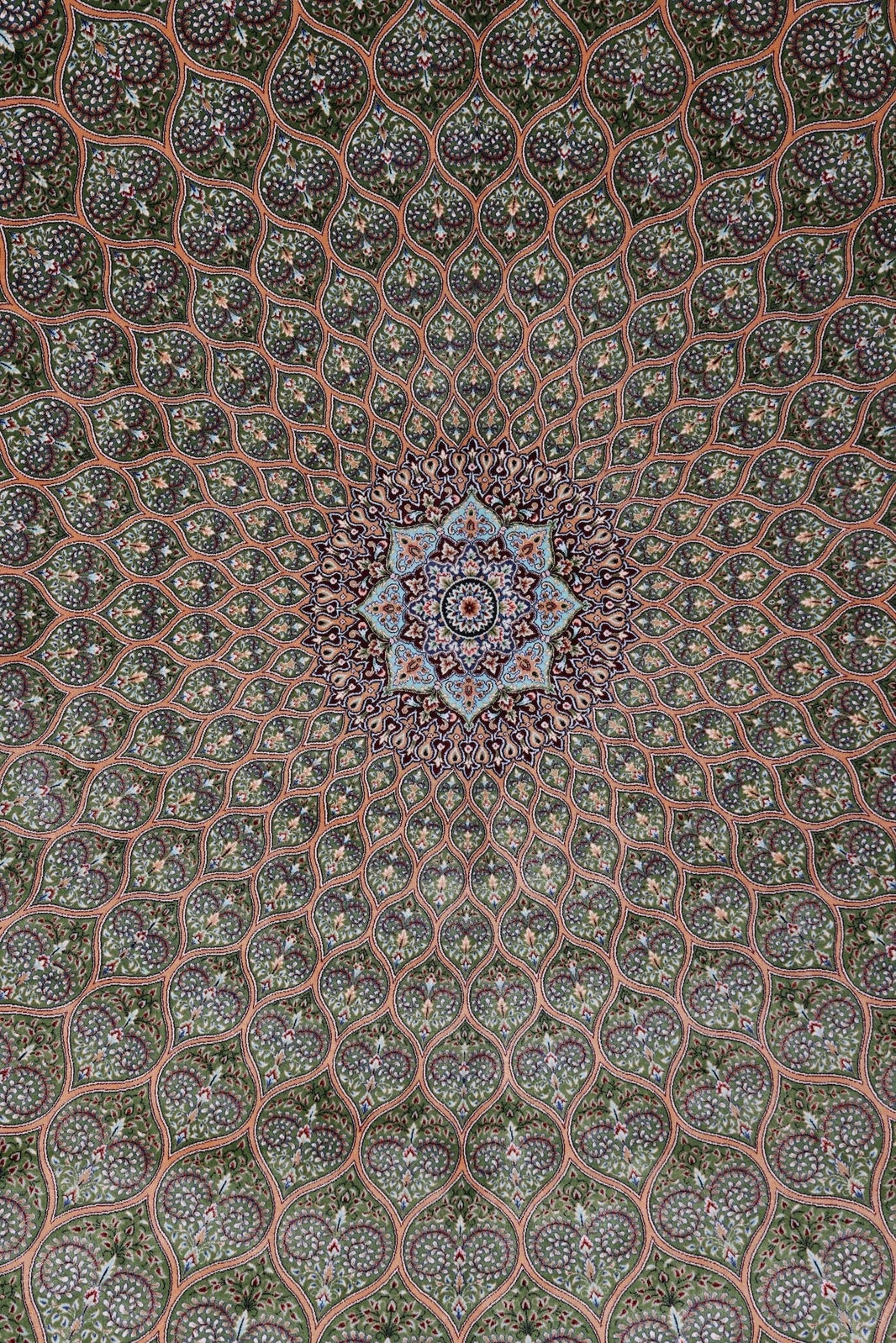
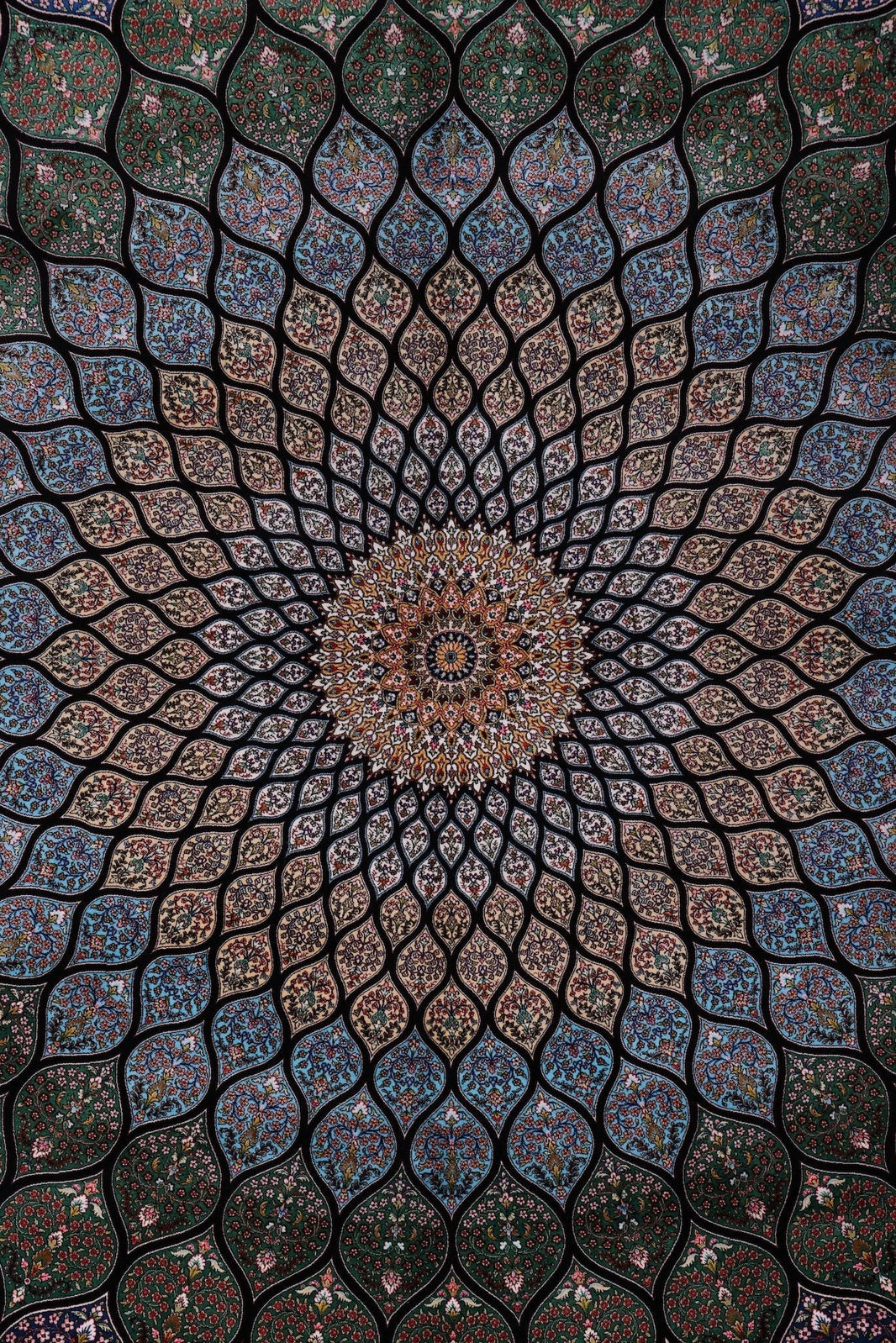
Persian rug design has never been accidental. The central medallion — one of the most enduring motifs in Persian heritage — draws the eye inward and holds it there. In a reading nook, that pull is exactly right. The eye settles. The body follows. The room permits stillness in a way bare floors simply cannot.
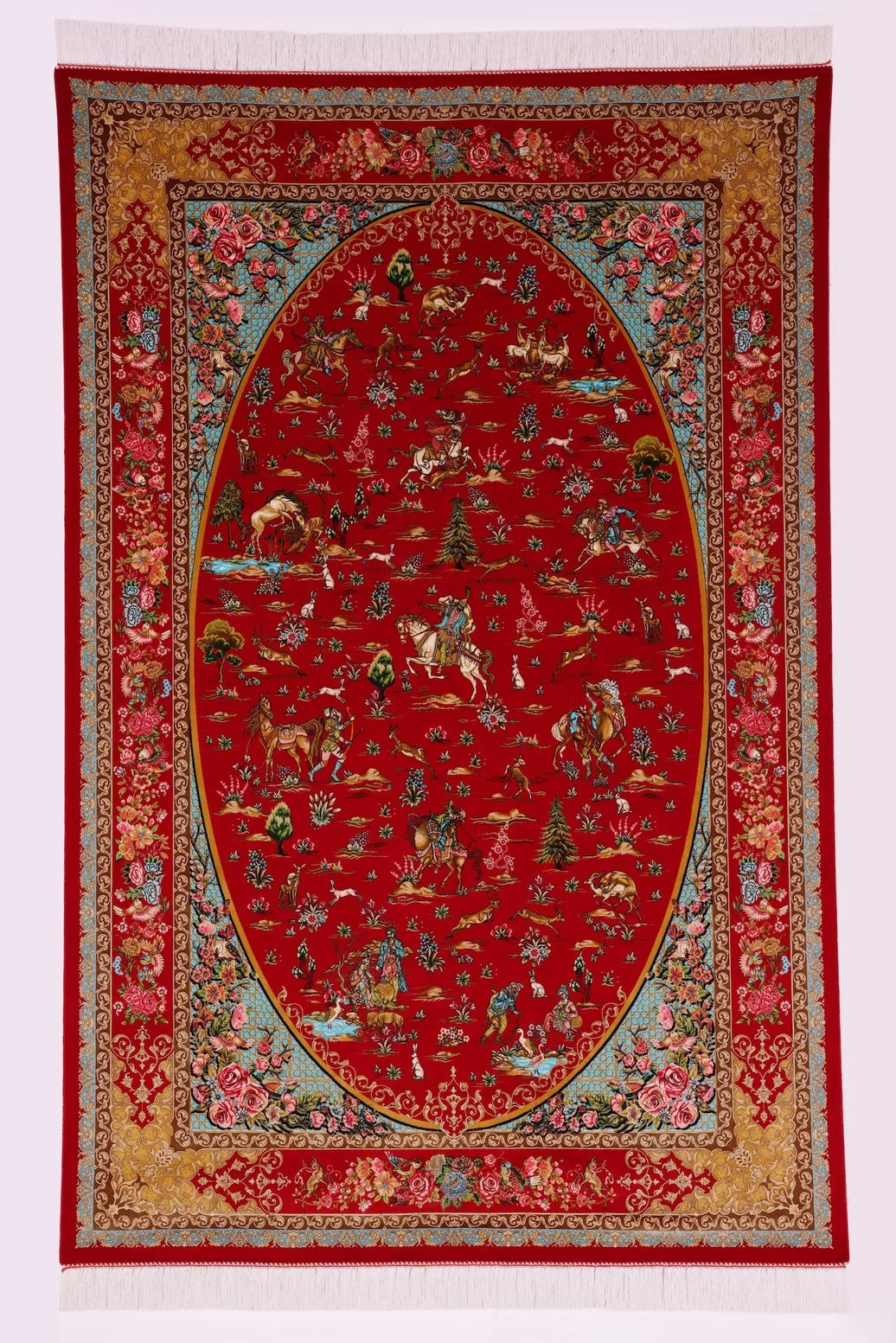
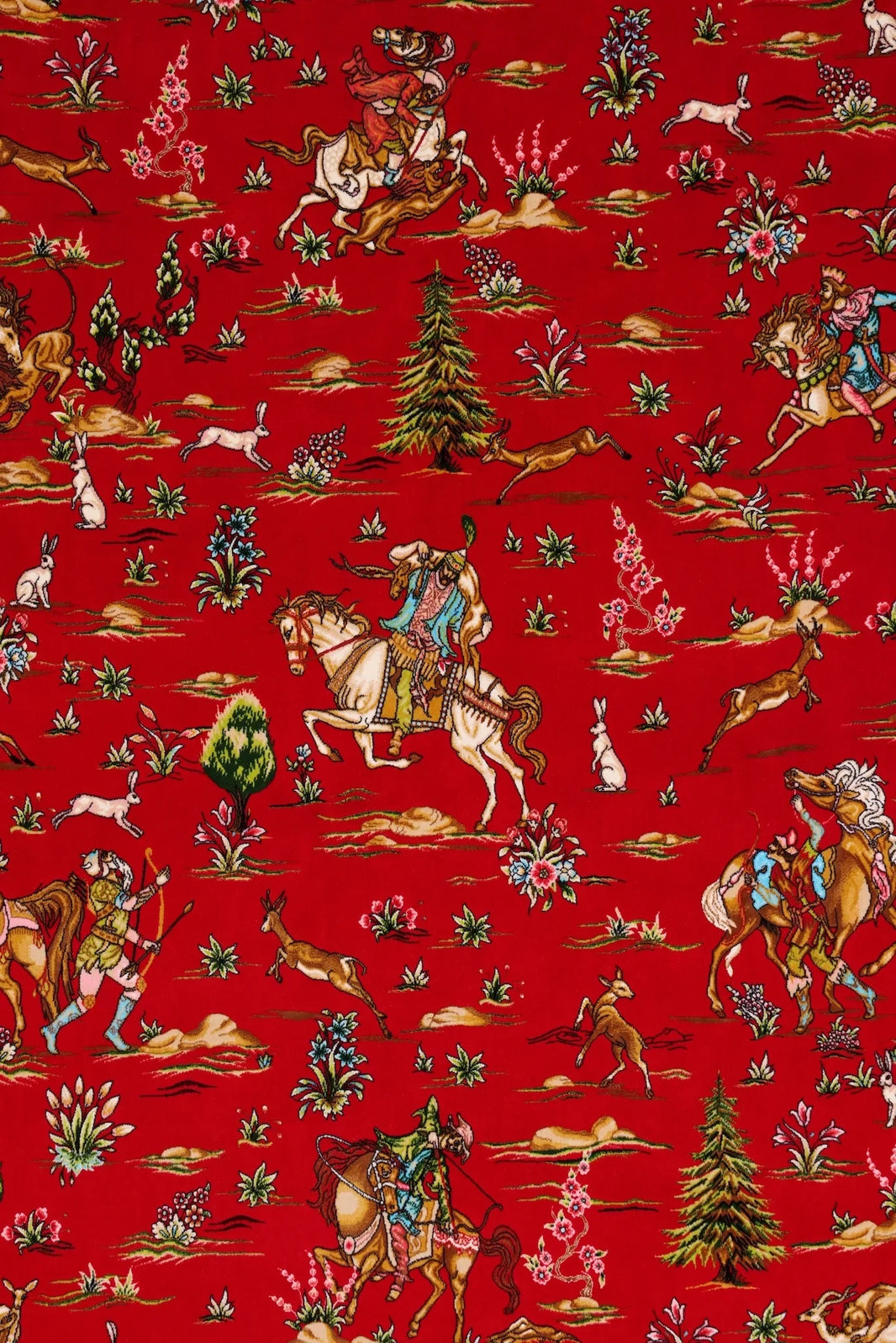
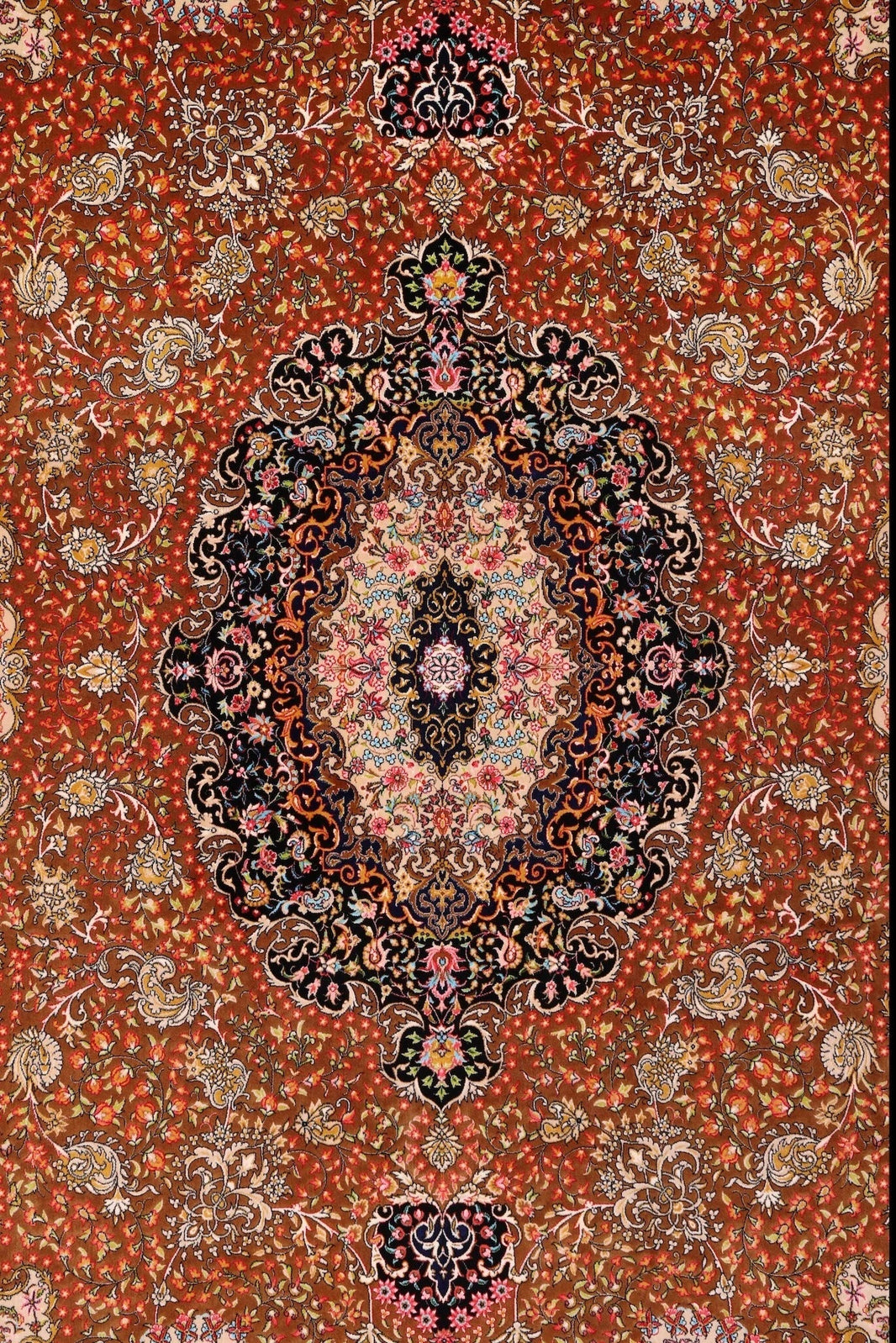
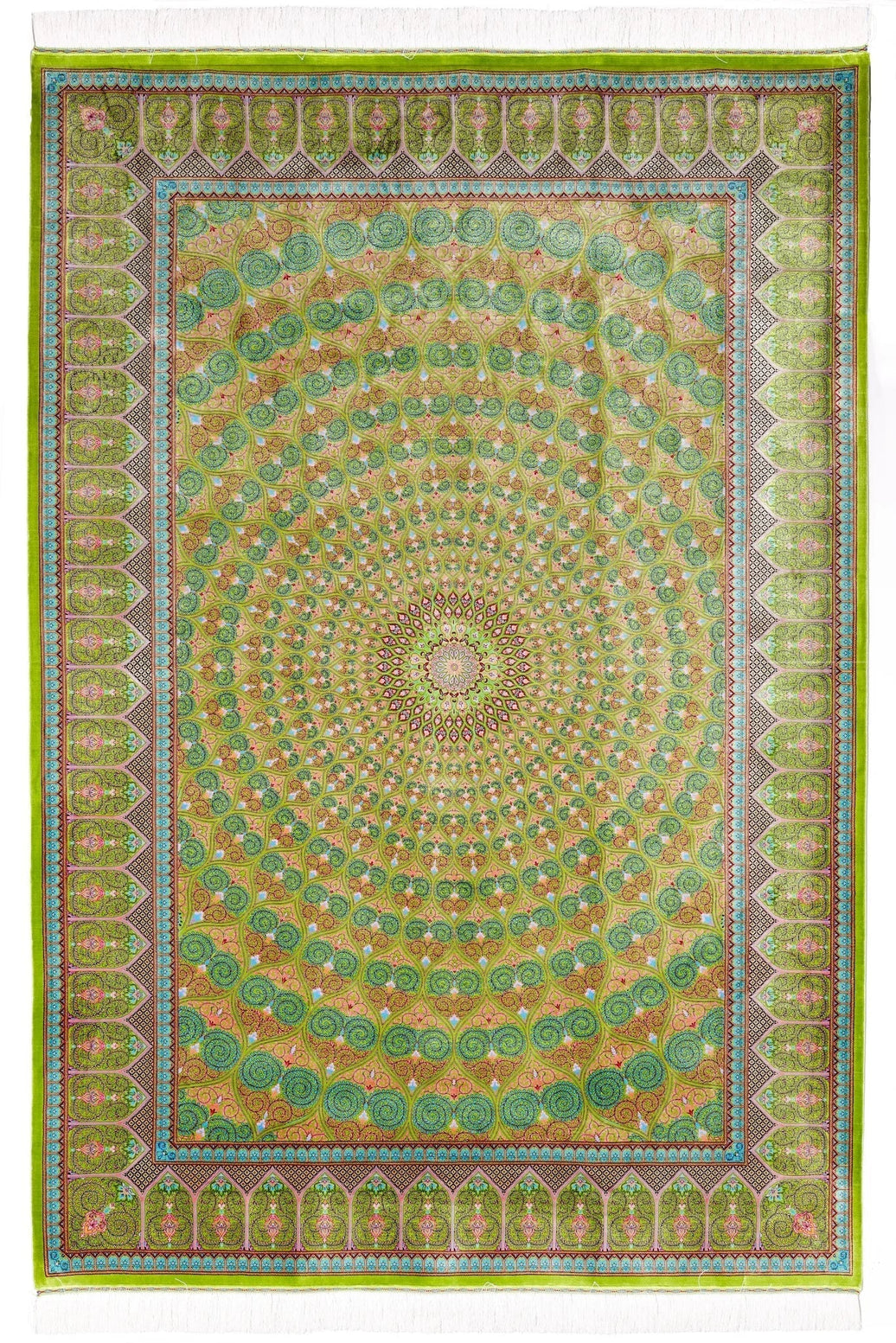
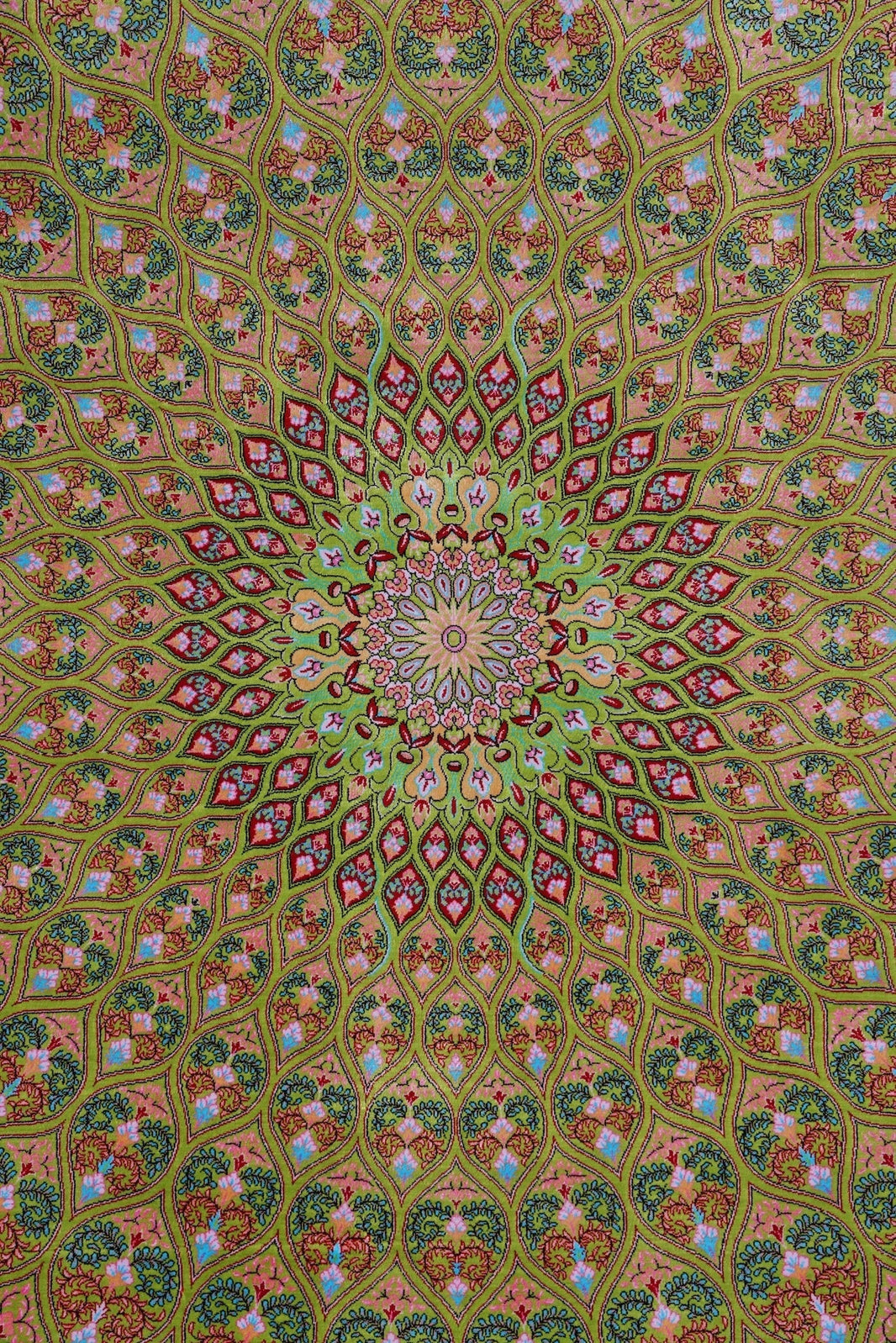
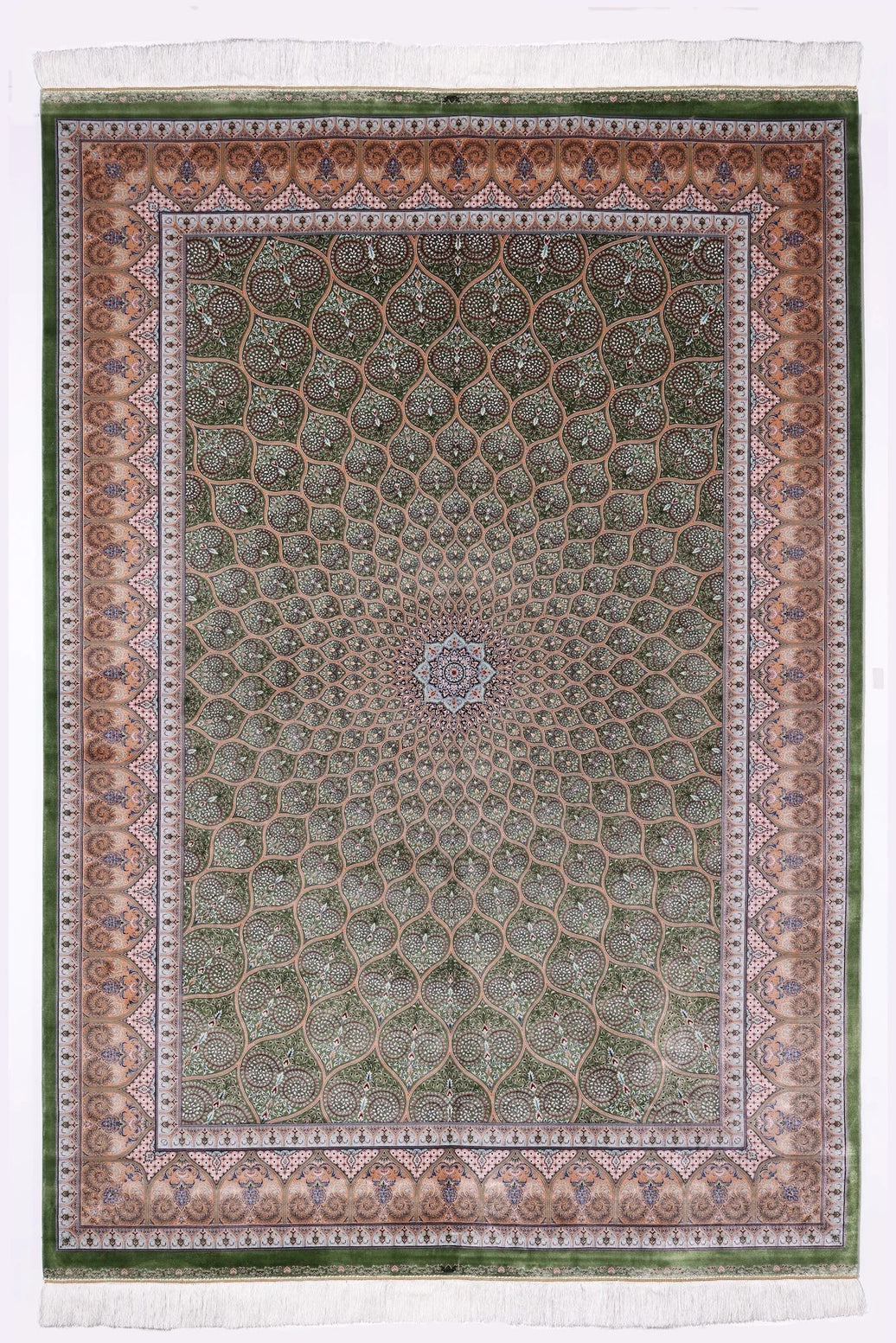
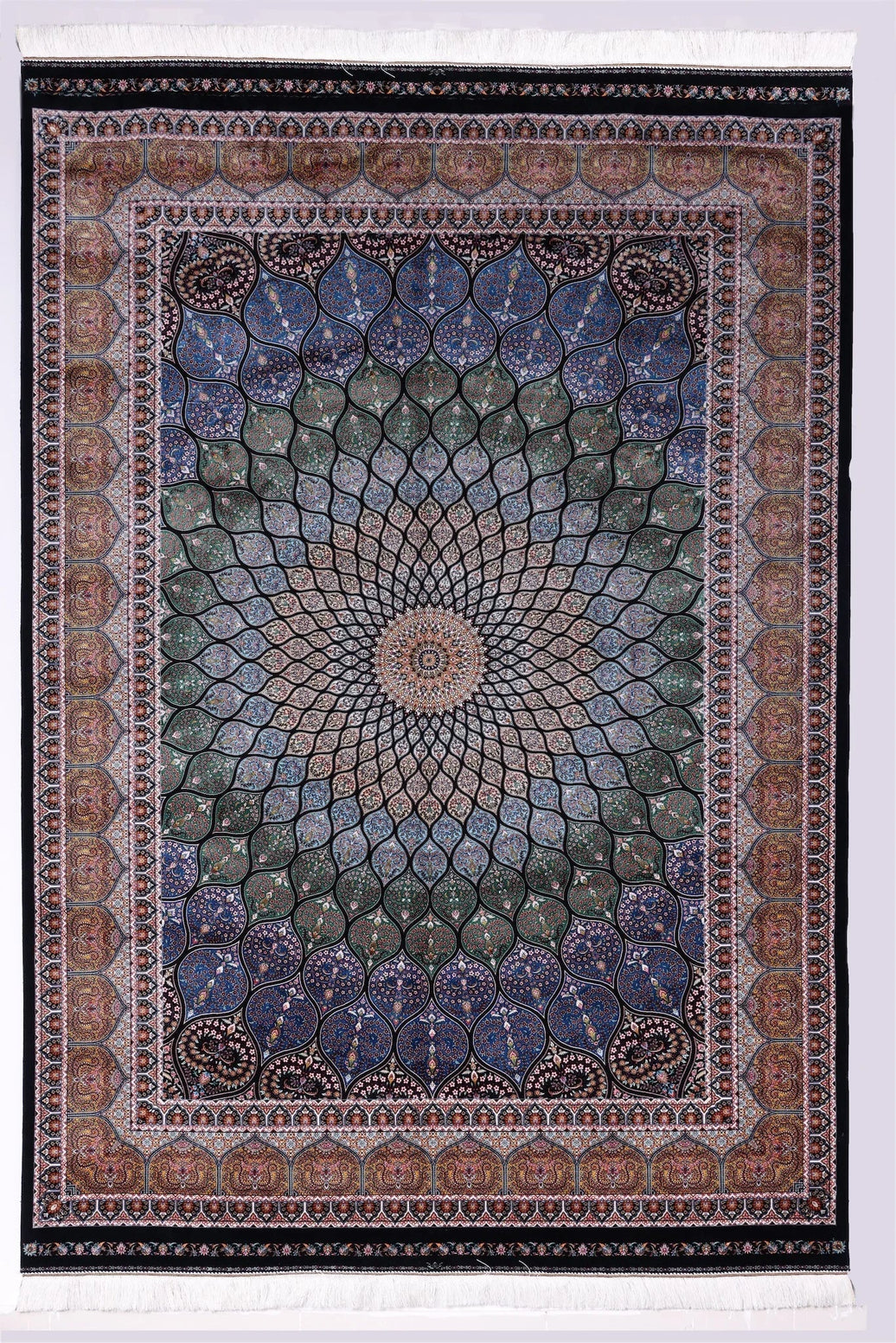
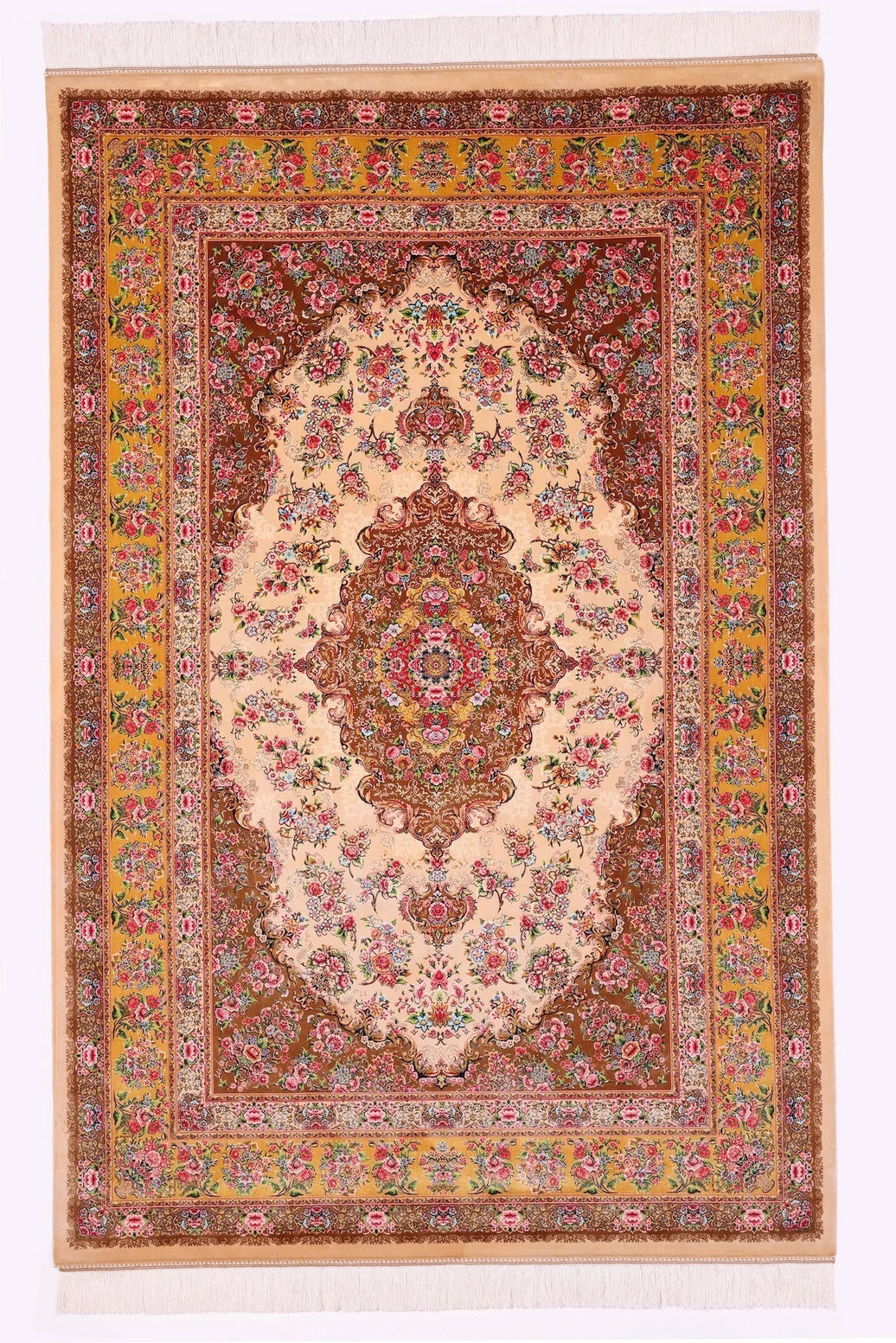
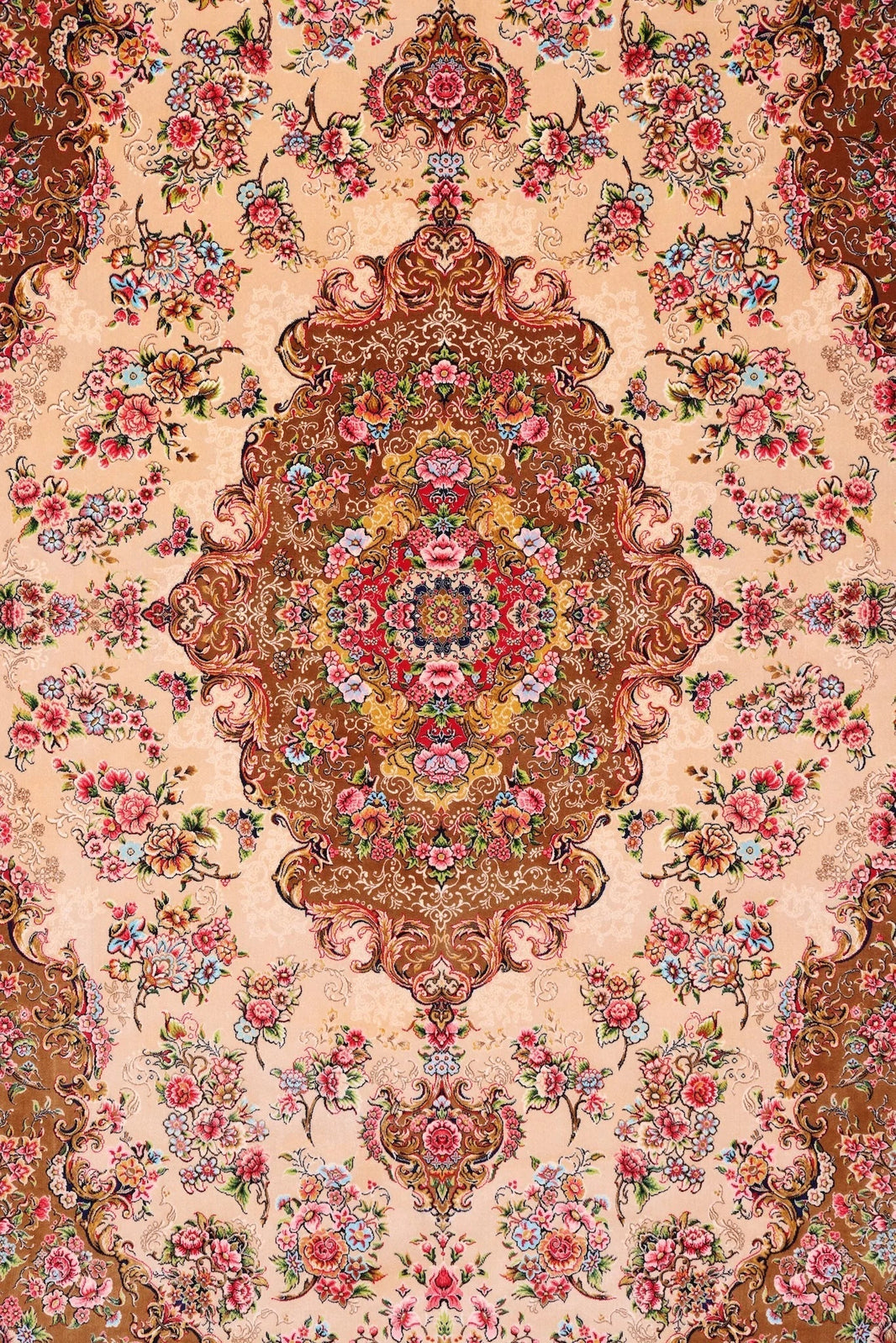
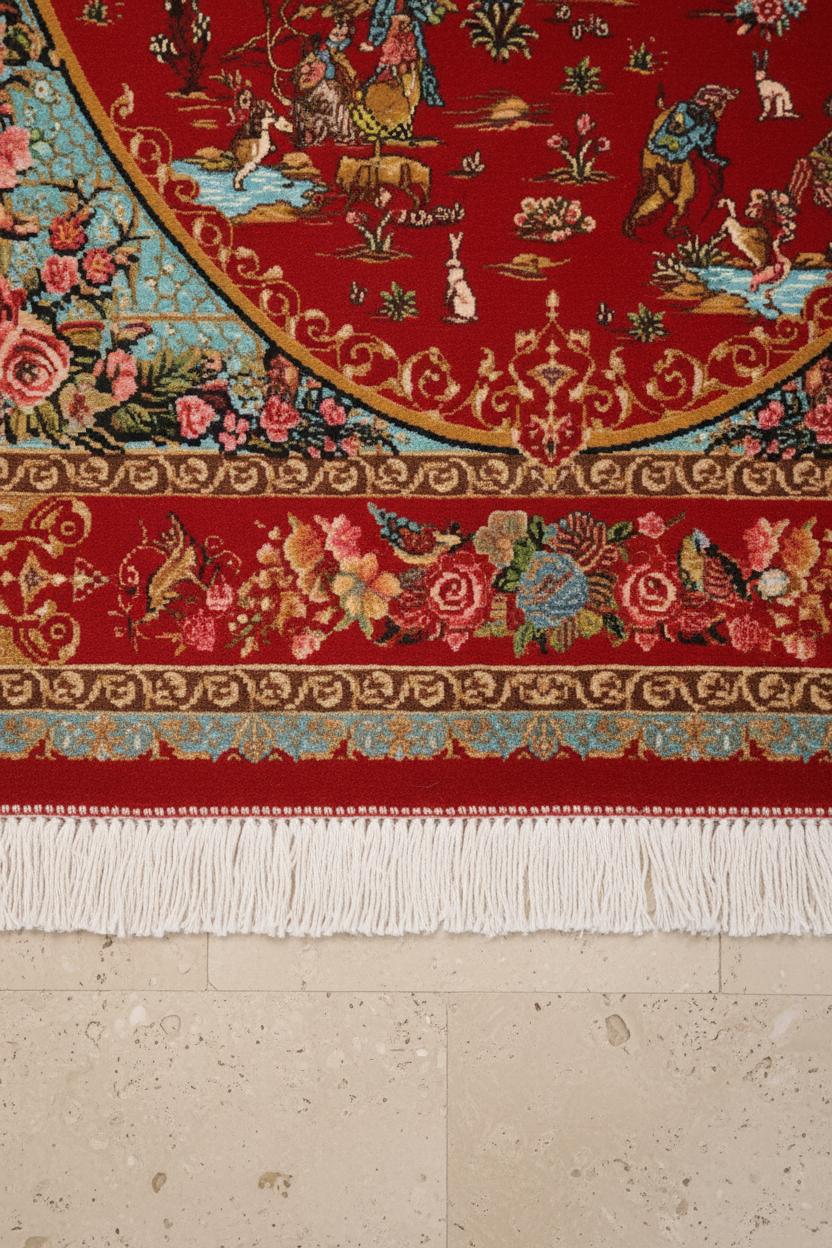
The Ahoo in Red understands this instinctively. Its deep field and classical medallion create a visual anchor that tells the body: this is where you stop. Its silk-like pile adds a layer of warmth beneath your feet that a cold timber floor will never replicate, no matter how beautiful the grain.
What Persian Tradition Knew About the Corner
The intimate rug format — smaller, more personal than a room-defining floor piece — has roots that run deep through Persian design history. These were rugs made for the spaces between ceremony: the reading alcove, the prayer corner, the window seat facing a courtyard. Scale was intentional. Detail was concentrated.
Persian borders are not purely decorative. They define the edge of a protected space. Step inside the border and the rug's field holds you; the pattern keeps the eye moving just enough to remain restful without demanding attention. It is the design equivalent of good company — present, warm, undemanding.
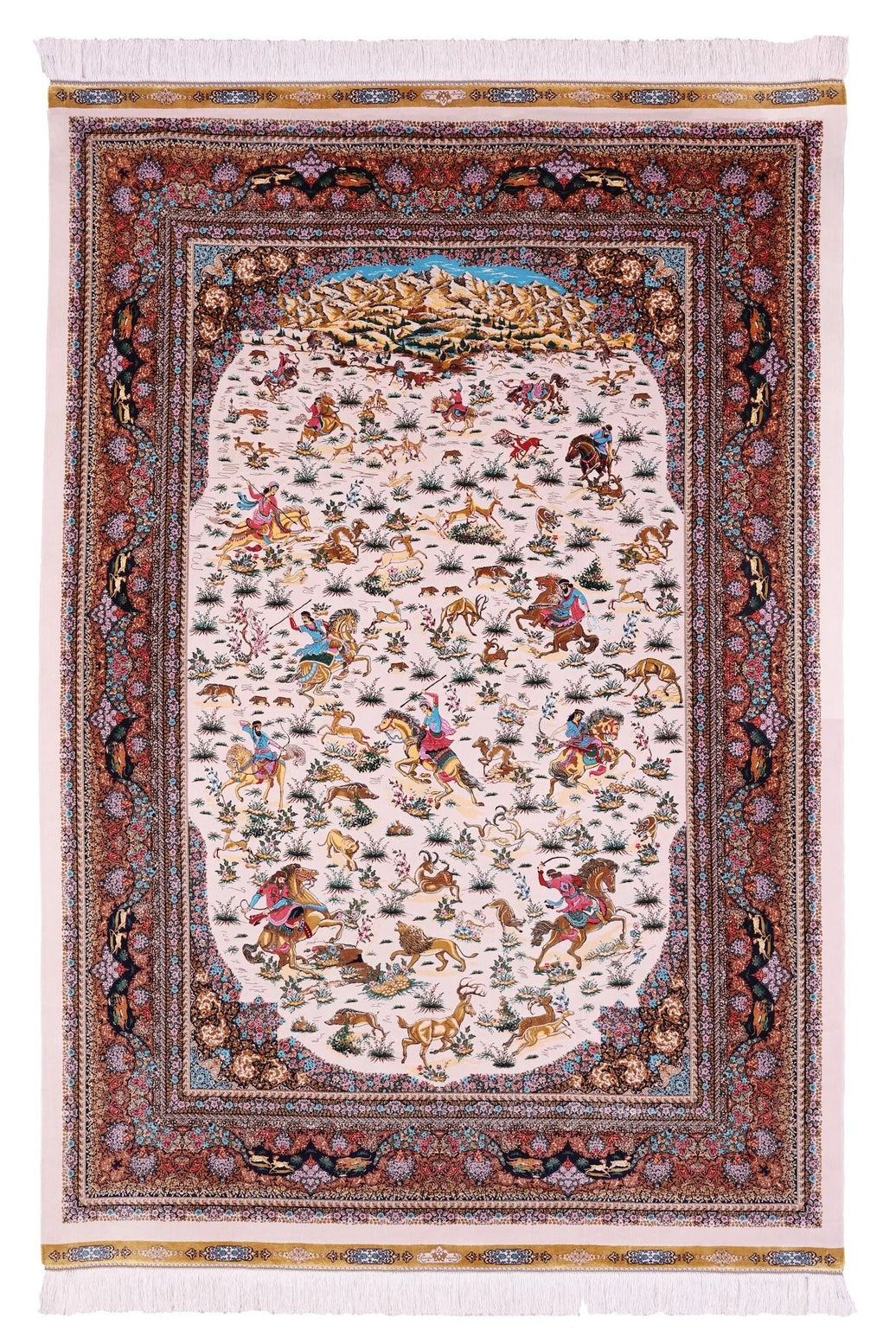
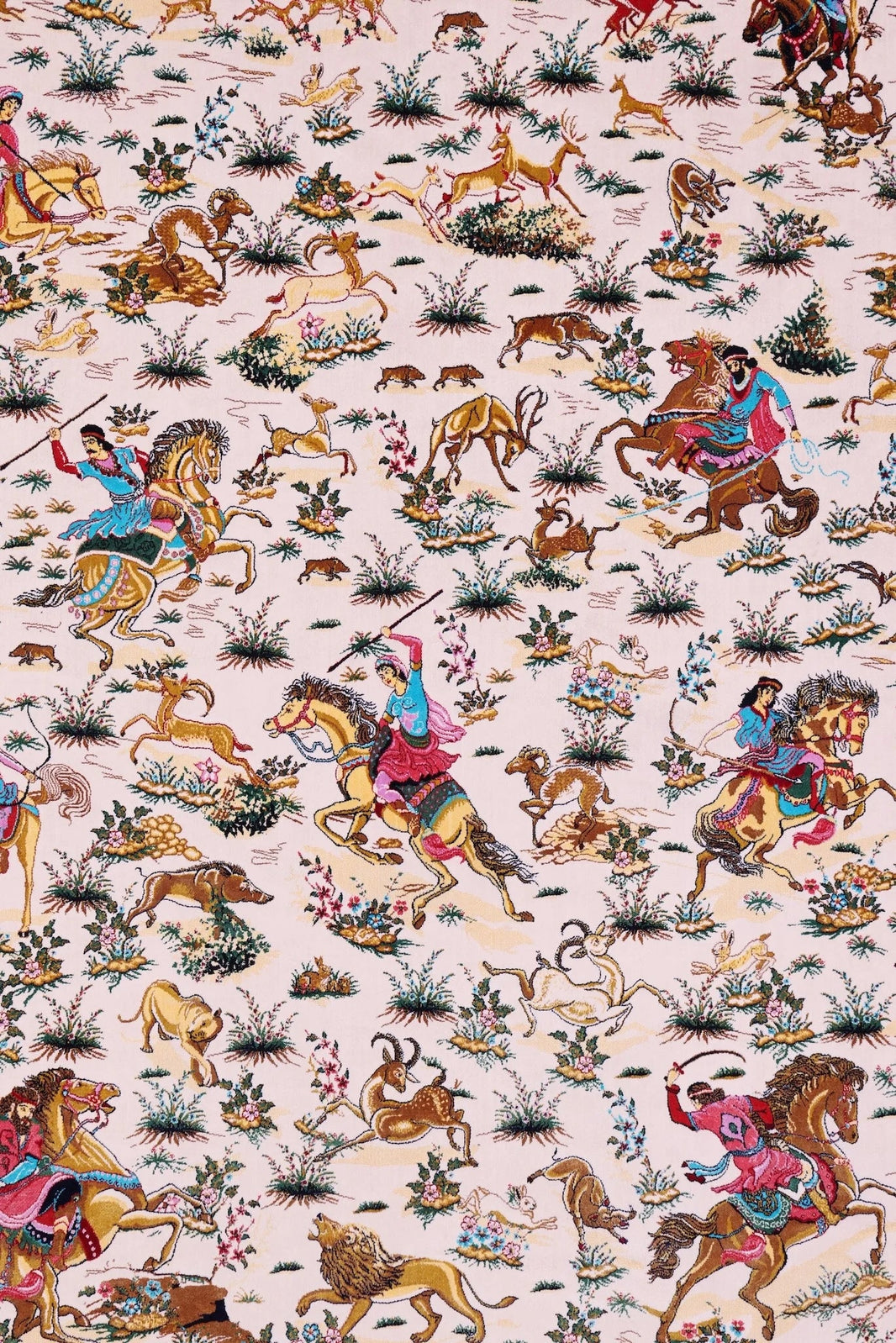
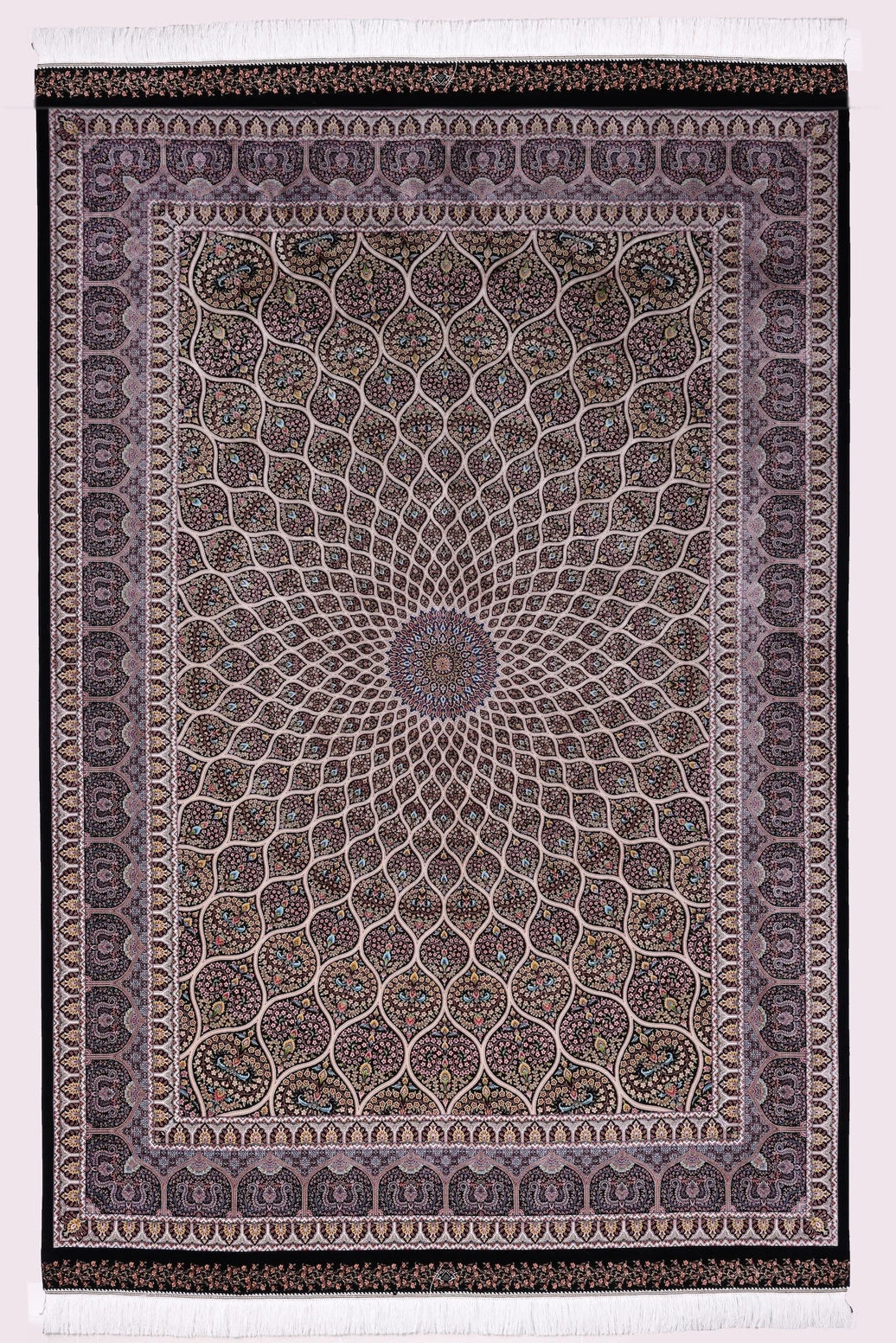
The Aylar in Cinnamon carries that tradition forward. Its warm tonal field moves between amber and rust, deepening with natural light and softening in the evening. Placed beneath a linen-draped armchair, it does not compete with the room — it completes it, drawing warmth from every timber and leather surface nearby.
The Layering Move That Separates Styled From Considered
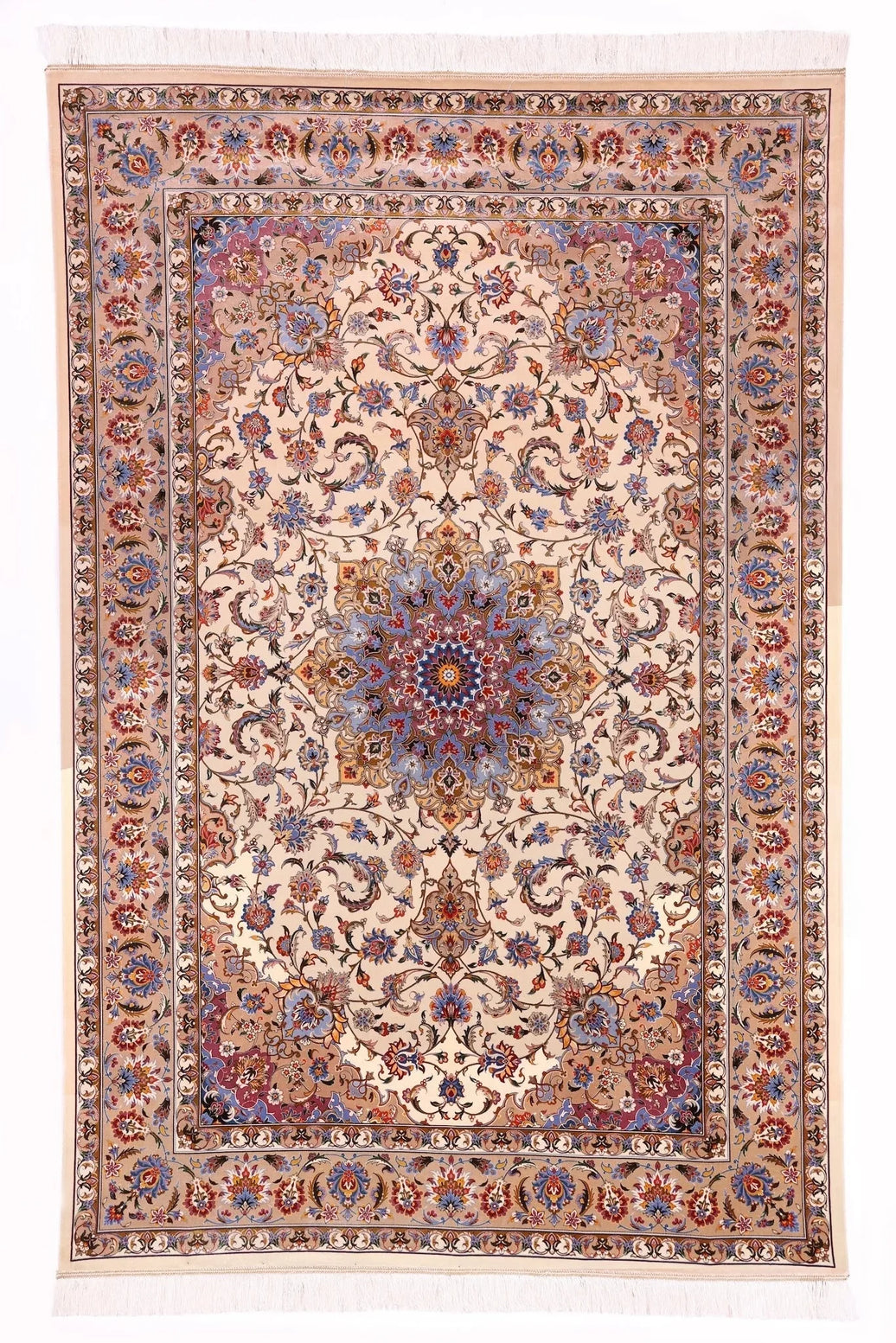
There is a difference between a room that looks deliberate and a room that is deliberate. Layering a Persian accent rug over a natural fibre base — jute, sisal, a pale wool flat-weave — is the editorial decision that creates that distinction. The base rug gives the space its boundary. The Persian rug gives it its soul.
In a reading nook, that layering carries particular weight. The natural base grounds the corner within the wider room. The Persian piece on top lifts it out, marking the nook as separate — a pocket of intention in a home full of good choices. The texture contrast between a rough natural weave and the silk-like pile of a Persian rug is something the body registers before the eye does.
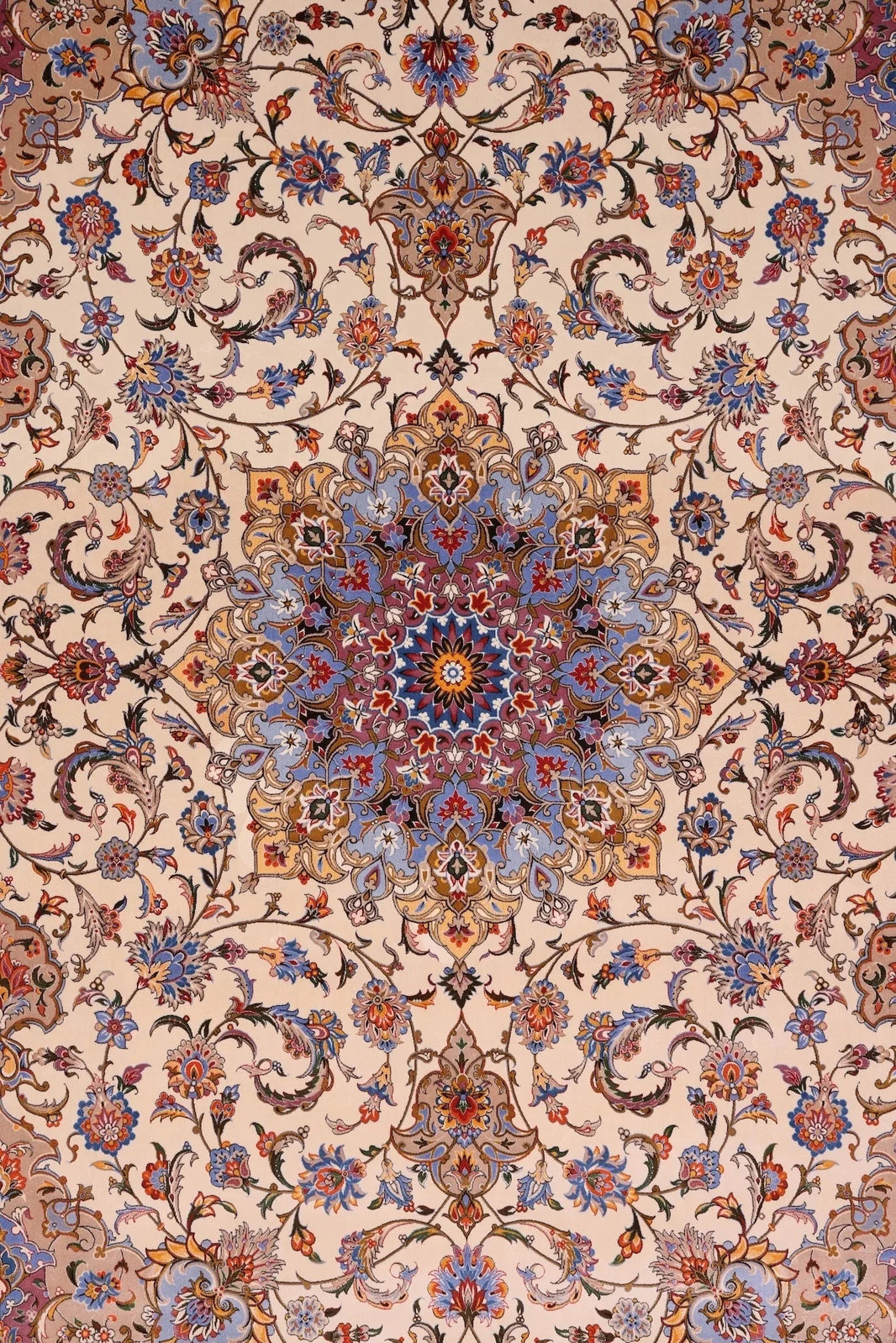
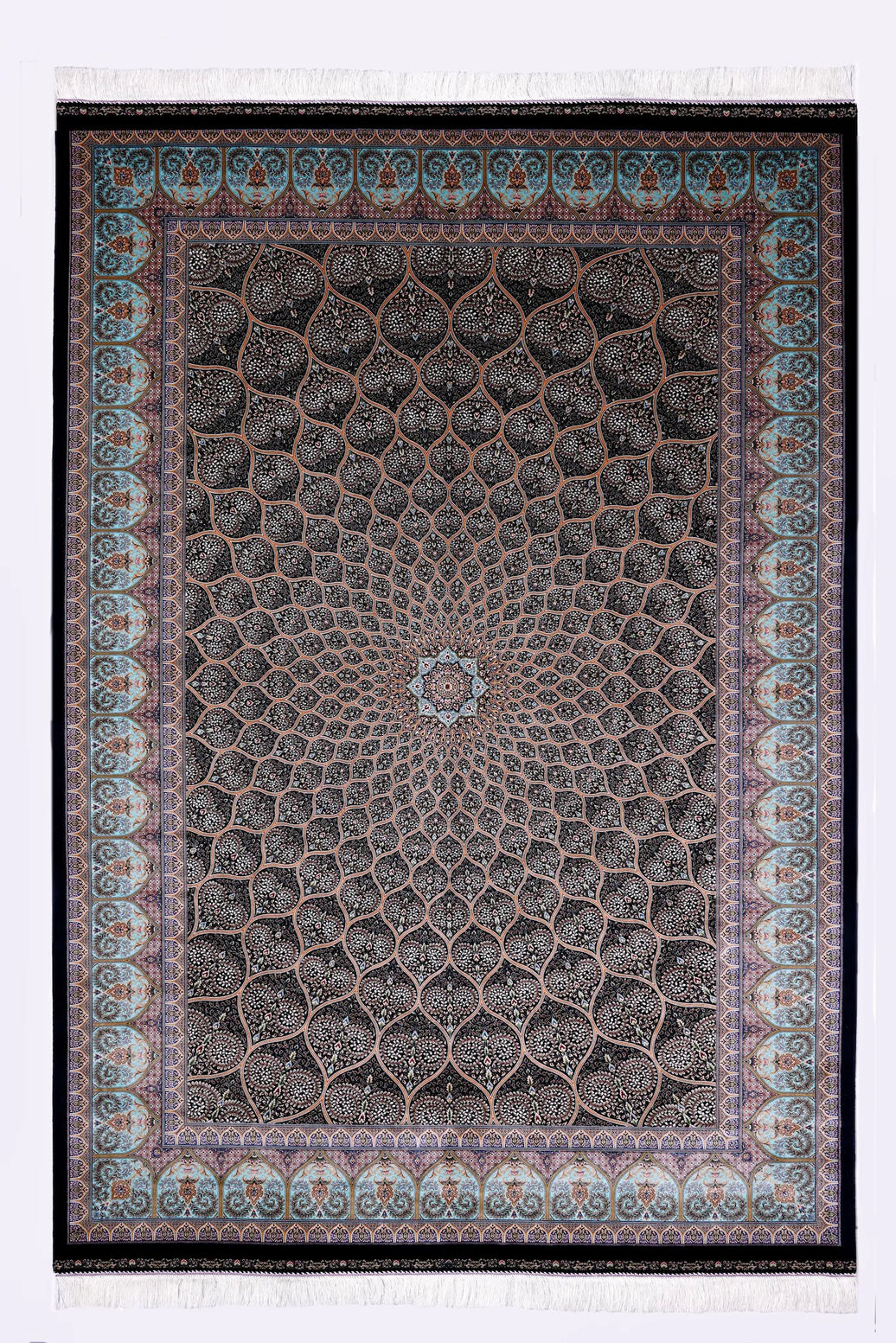
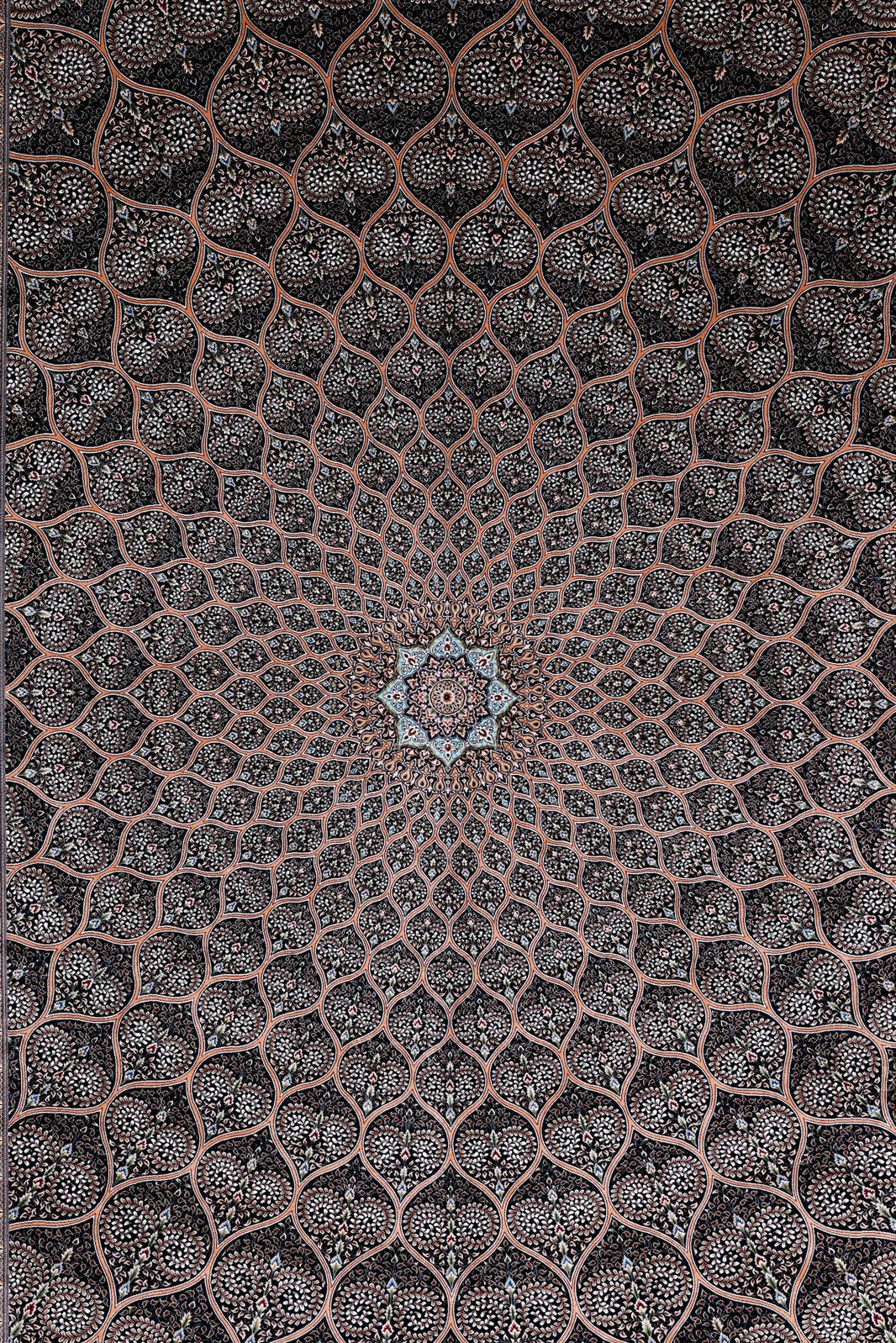
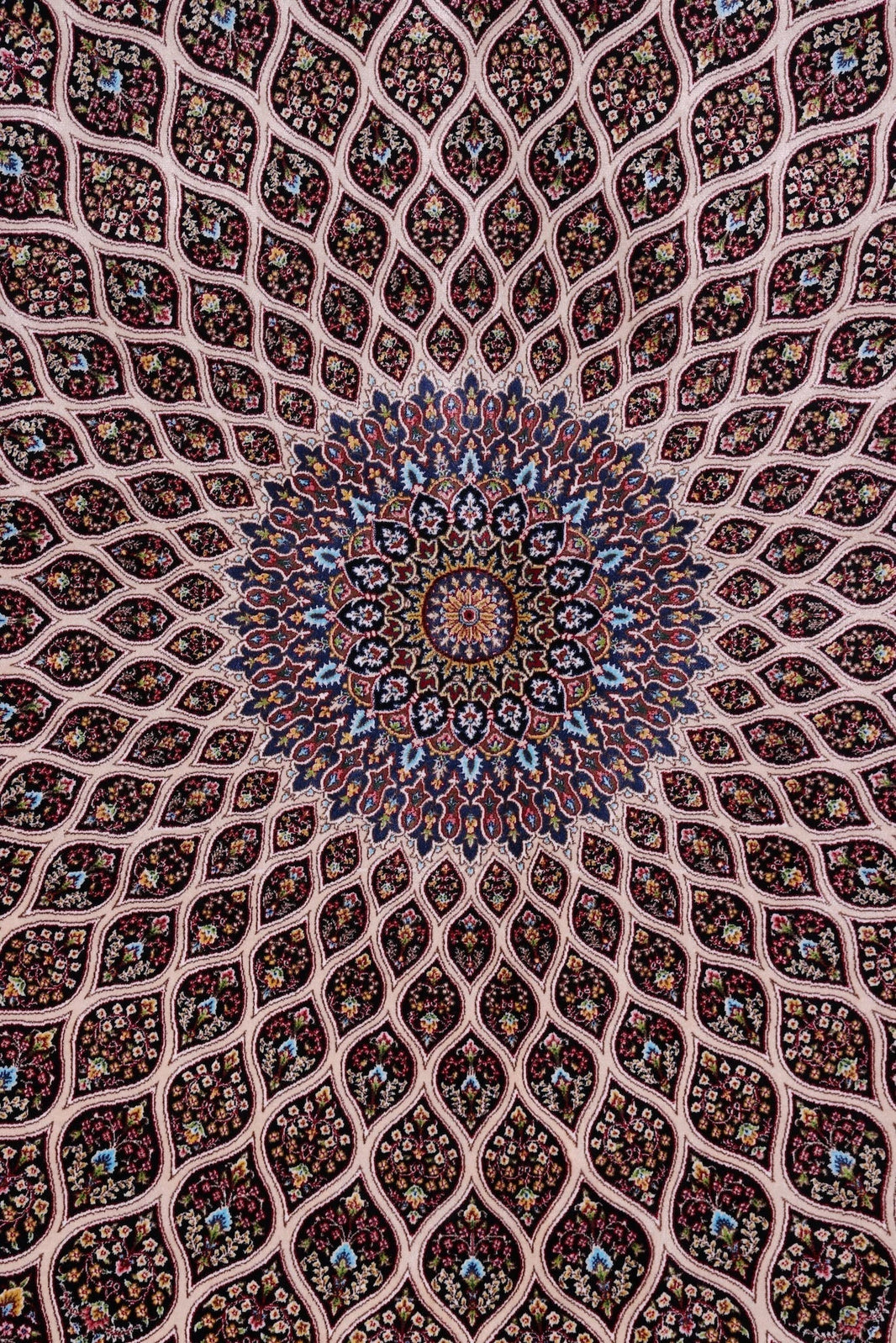
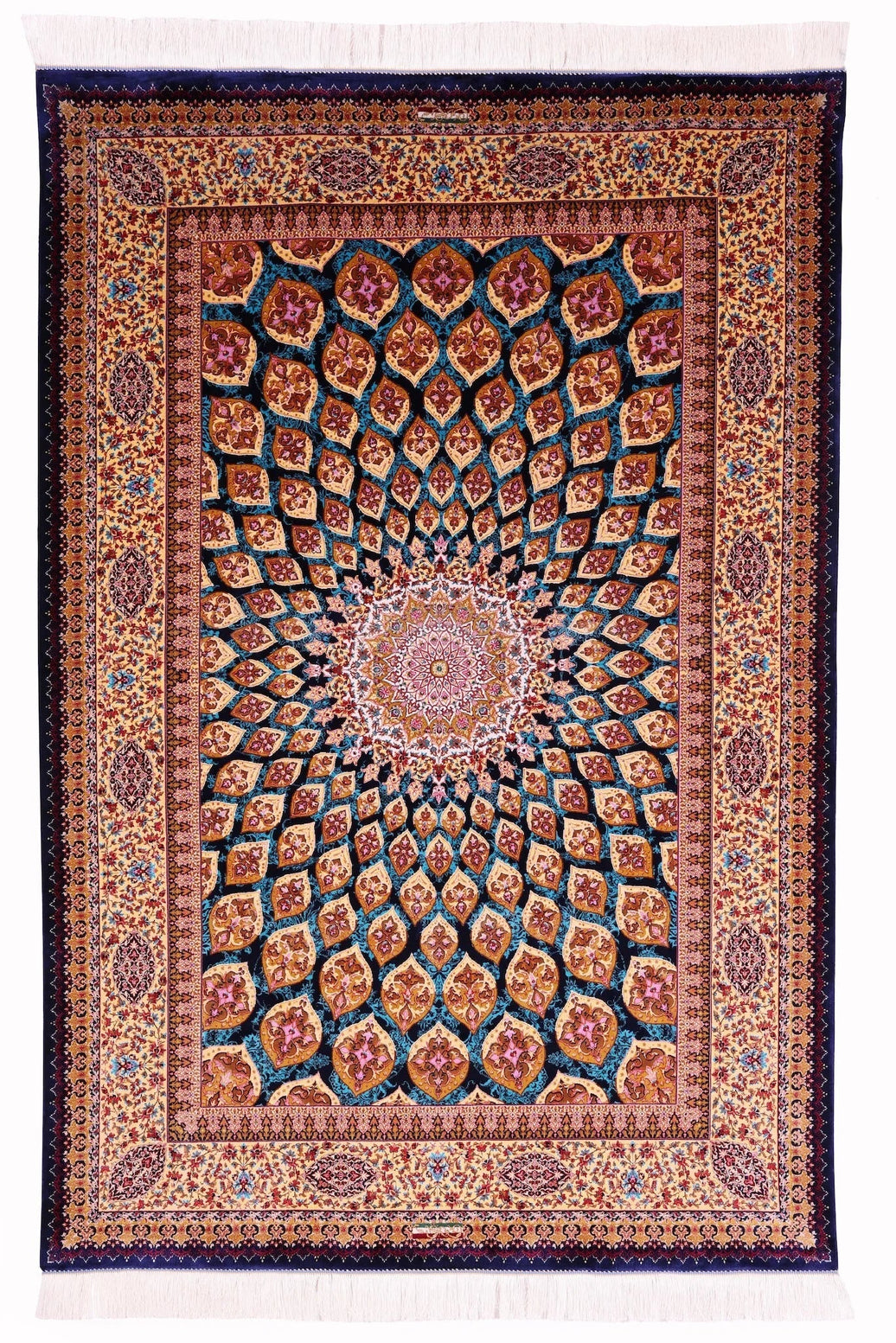
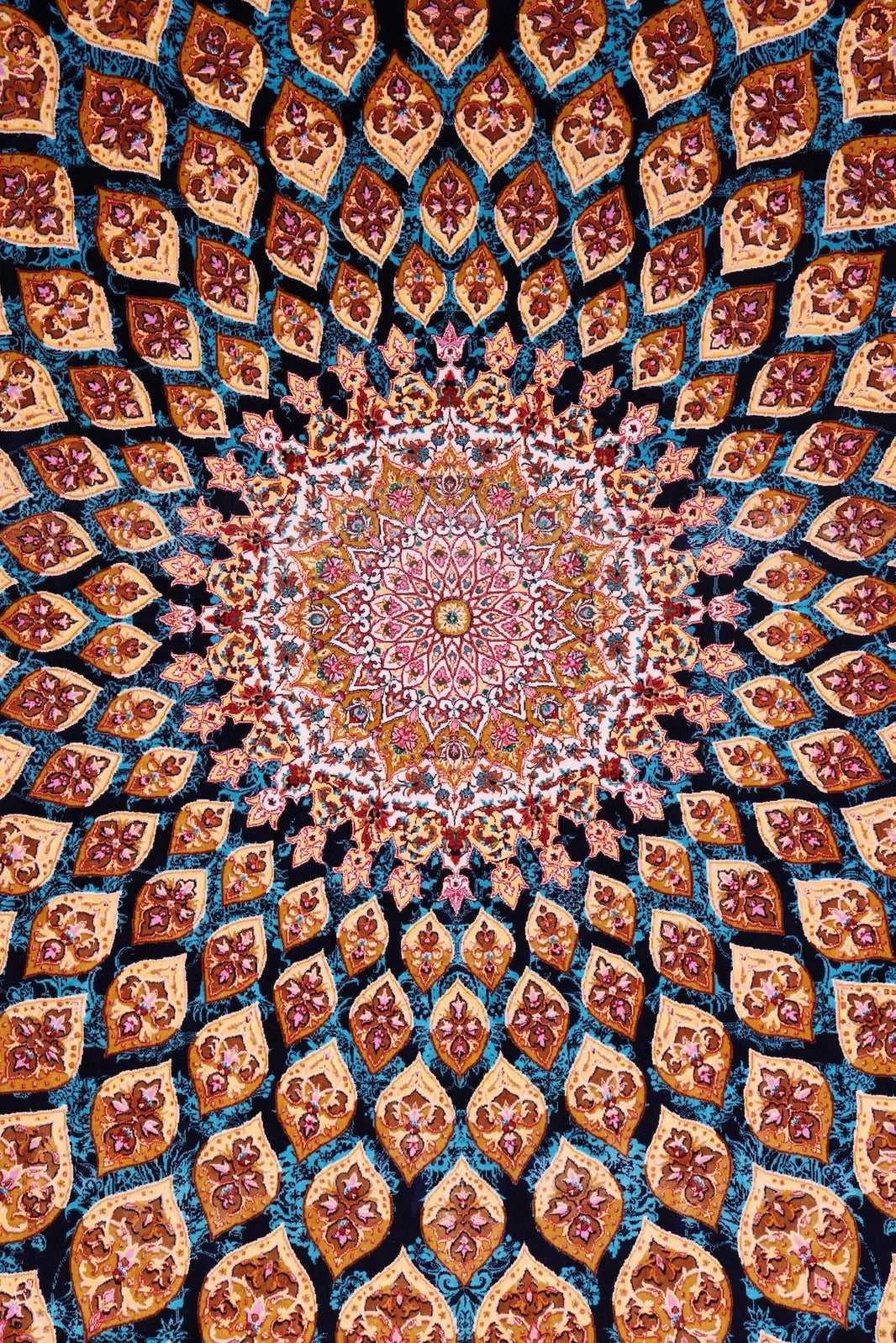
The Arghavan is the accent piece this layering demands. Its jewel-toned field and intricate botanical detailing carry the depth of Persian artistry without overwhelming a compact space. Laid over a pale jute base, it commands the corner quietly — the way the best statement pieces always do.
Attainable Luxury Has No Interest in Compromise
The reading nook is where attainable luxury becomes personal. Not the living room you dress for guests. Not the entryway that makes the first impression. The nook is yours — built for the early morning, the late evening, the particular quality of silence that only a considered space can hold.
Every other piece in that corner was chosen with care. The chair for its depth and its arms. The lamp for the quality of its light. The side table for the way it sits at exactly the right height. The rug beneath all of it deserves that same deliberateness.
Persian heritage gives the nook something no other design tradition quite replicates: the sense that the space has always been there, that it existed before you furnished it and will hold its character long after trends move on. A well-chosen Persian rug does not age with a room. It ages the room into something better.
The sanctuary you have been building — corner by corner, piece by piece — is not finished until the floor beneath it earns its place. This is the rug that closes the room and opens the quiet.
Visualize this rug in your room →